


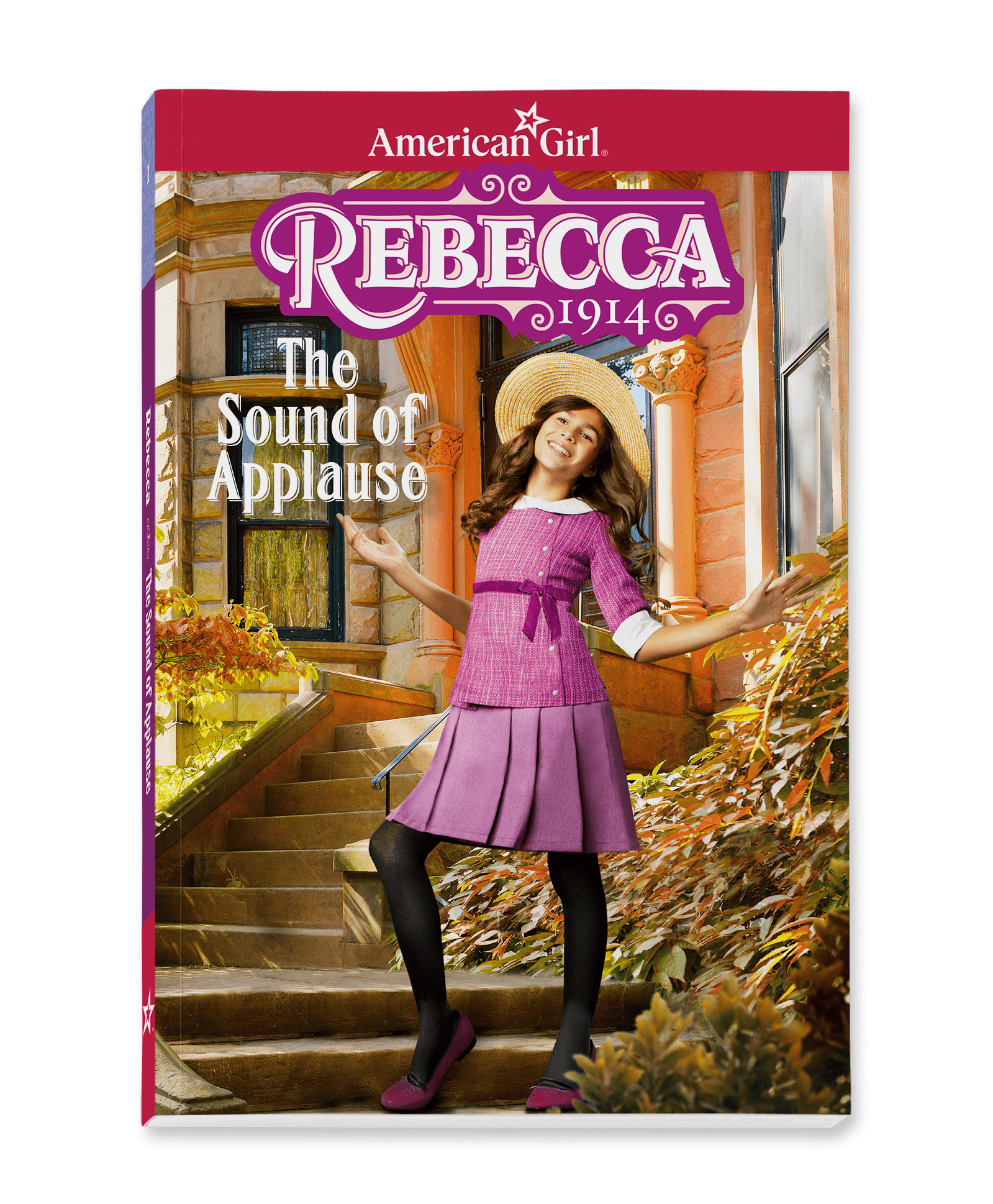
Josefina. 1824.
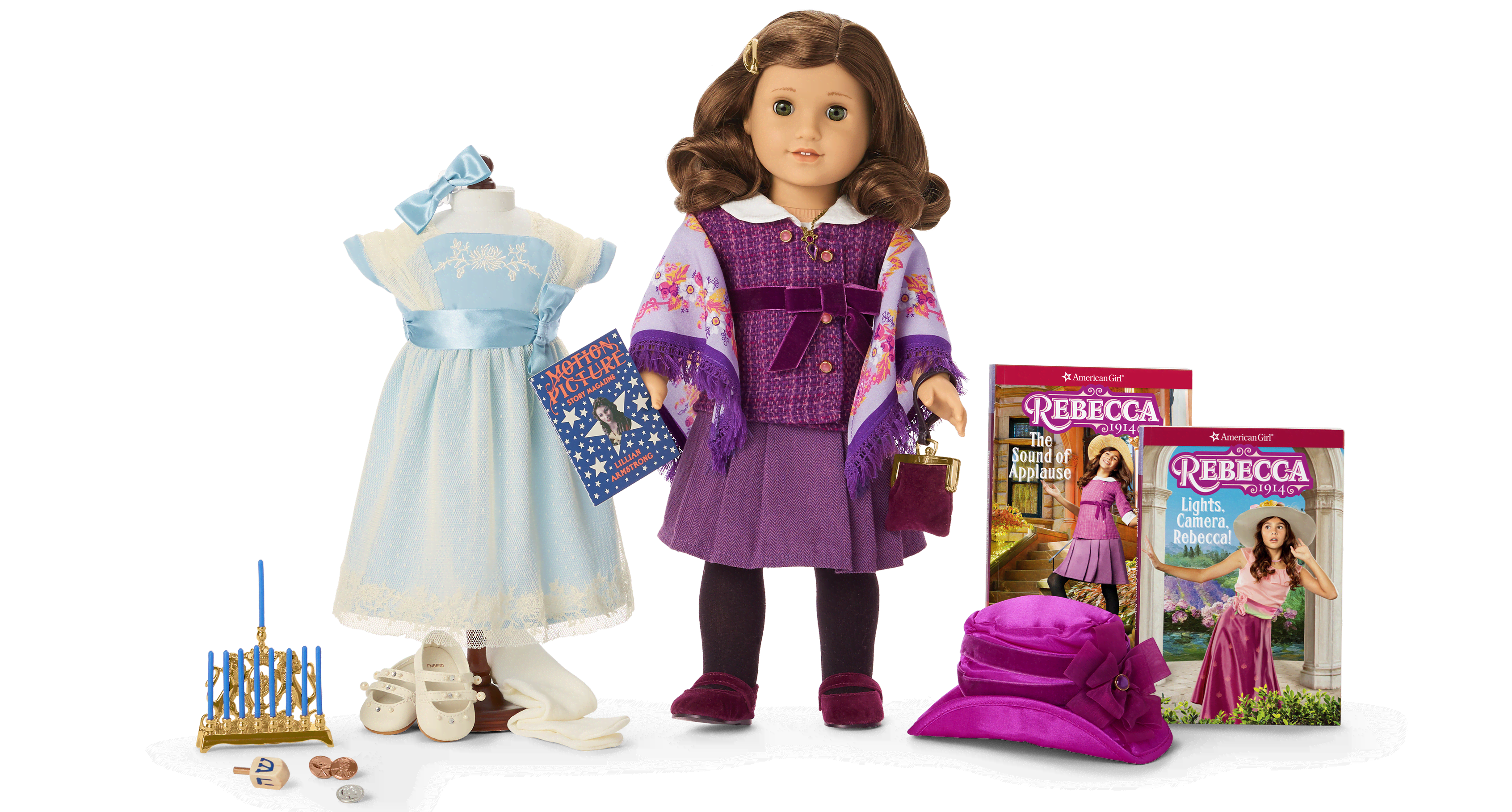
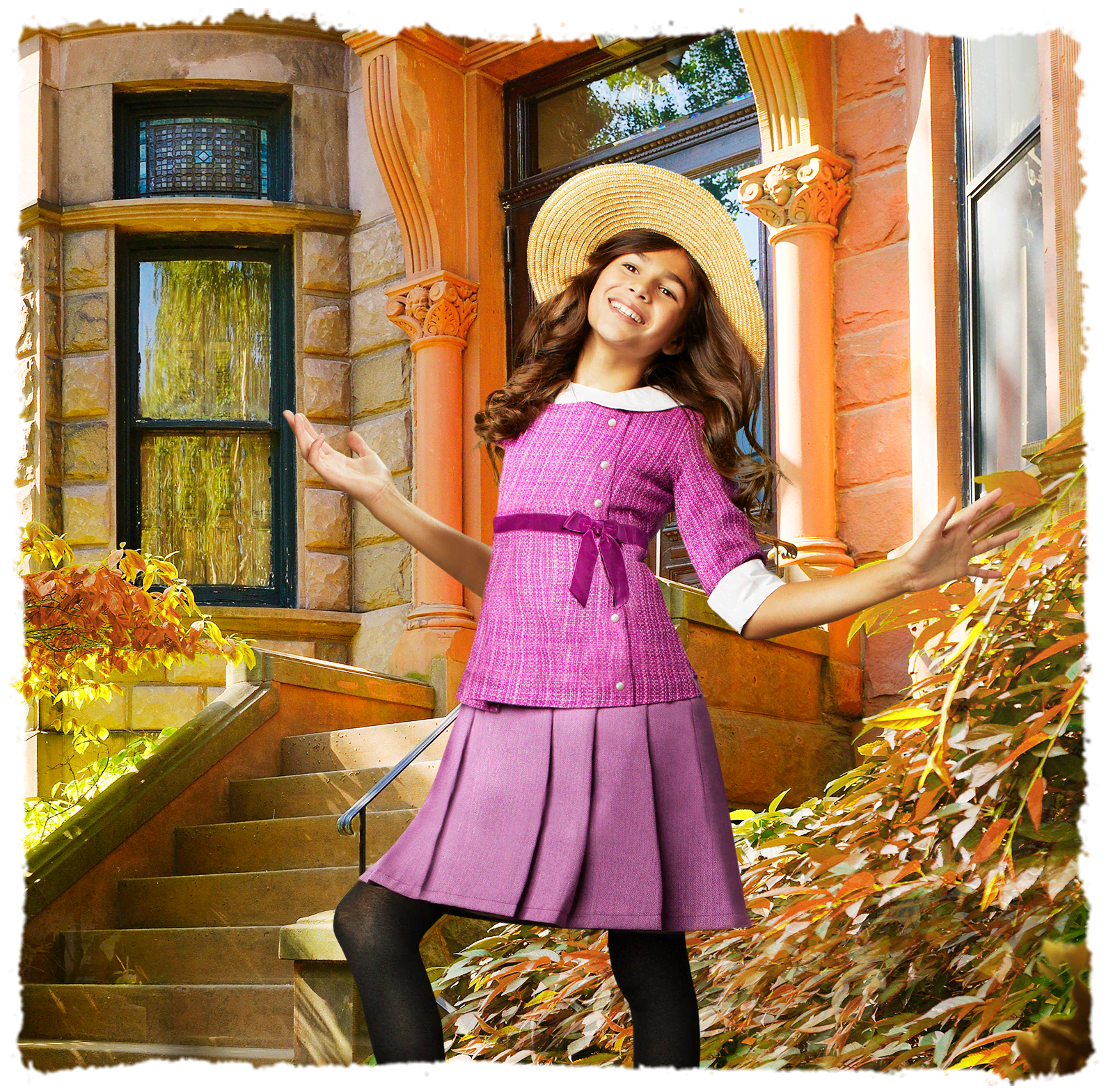
Meet Rebecca Rubin!

Growing up in New York City in 1914, Rebecca Rubin is a spirited girl who dreams of movie stardom while navigating between her Russian-Jewish family’s traditions and American possibilities.

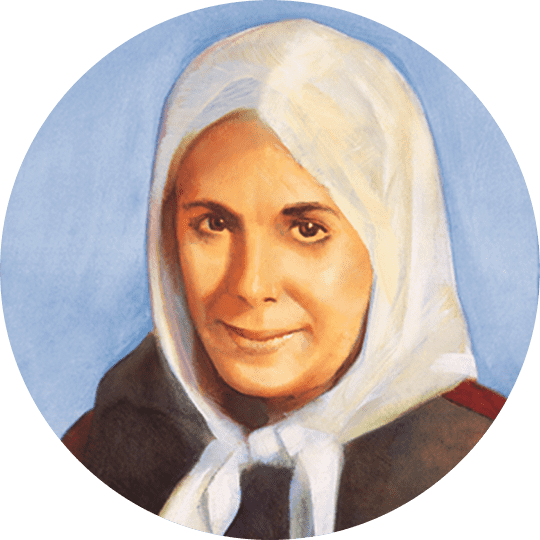



Mama
Rebecca’s caring mother works hard to preserve Jewish traditions while adapting to American life. She teaches Rebecca to honor family and community, yet makes room for her daughter’s dreams.

Papa
Rebecca’s hardworking father runs a shoe repair shop. Though he breaks Sabbath tradition by working on Saturdays, he honors his faith through acts of kindness, like giving shoes to children.

Bubbie
Rebecca’s outspoken grandmother values tradition and disapproves of her acting dreams. But as Rebecca seeks her approval, Bubbie comes to see that supporting family matters most.
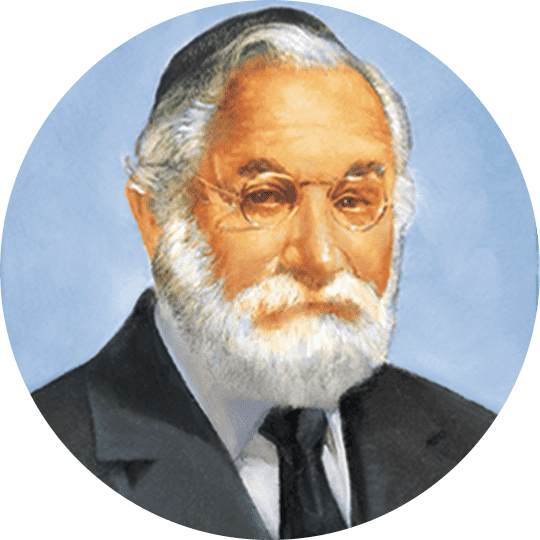
Grandpa
Rebecca’s warm and supportive grandfather. He calls her “an arithmetic whiz” and encourages her to be proud of her roots, reminding her of the courage it takes to build a new life.

Ana
Rebecca’s cousin who arrives from Russia with her family. Ana struggles with English and feels overwhelmed by America, but Rebecca’s friendship and support help her find her place.

Leo
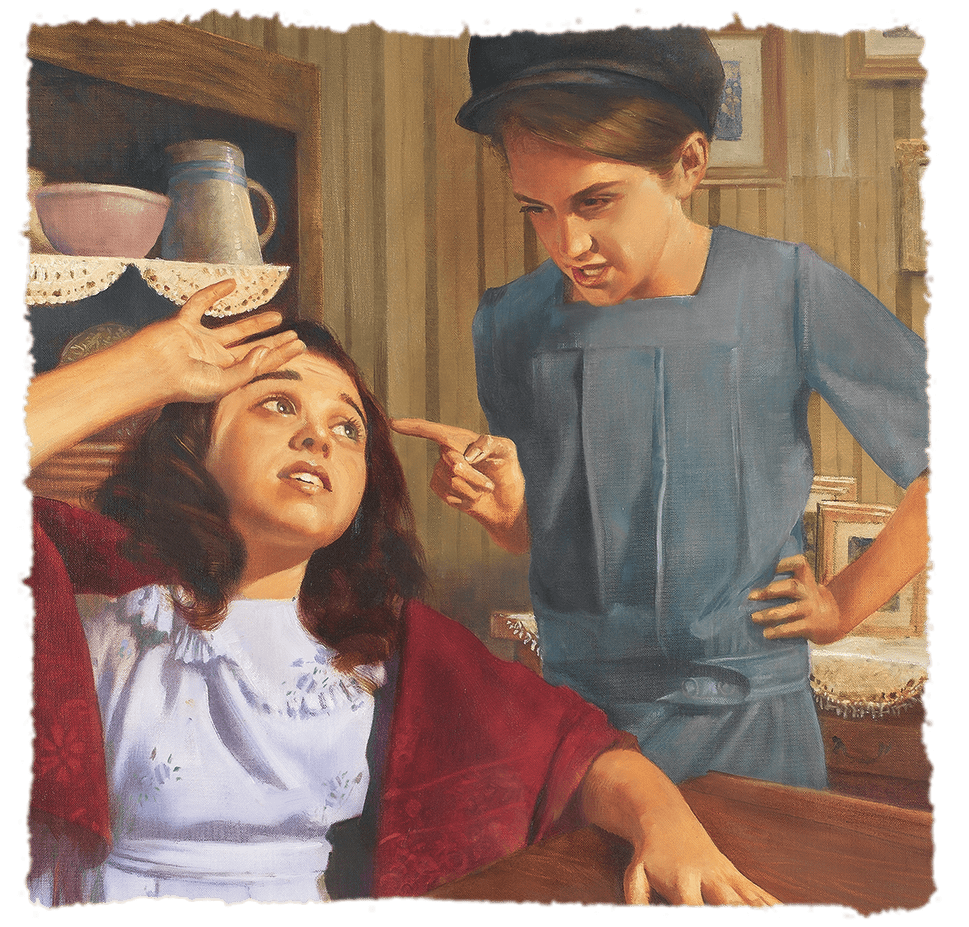
A smug classmate of Rebecca’s who insults her for sweeping outside Papa’s shoe store. Later, Papa quietly repurposes Leo’s old shoes for a boy whose family can’t afford new ones.

Uncle Jacob
Ana’s father works long hours in a garment factory but is fired after striking against the unsafe conditions. With Rebecca’s help, he finds a much better job as a carpenter.

Rose
Rebecca’s friend who immigrated from Russia with her family a year ago. Rose knows how difficult it is to start over in a new country and helps Rebecca face the challenges of school and speaking Yiddish.

Sadie and Sofie
Rebecca’s older twin sisters attend high school. They’re drawn to modern American fashions and customs, which sometimes puts them at odds with their grandparents’ expectations.

Max
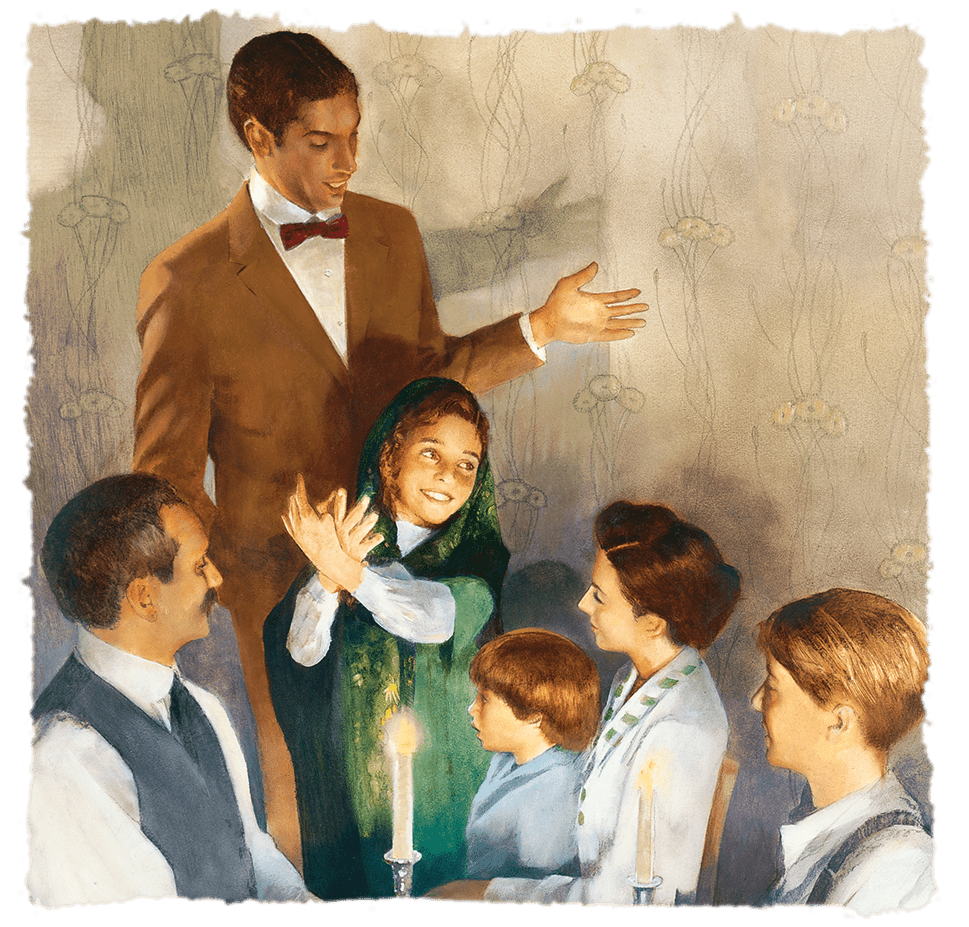
Max is Mama’s cousin and was born in Russia. He is a vaudeville entertainer and movie actor, always full of delightful surprises. He has a special rapport with Rebecca, who greatly admires him.

Mrs. Berg
Leo's well-off mother admires Rebecca’s crochet and pays a quarter for a doily. She wears an elegant fur scarf, ending in a fox head, tails, and paws that dangle from her shoulders.




Author Jacqueline Dembar Greene
Jacqueline Dembar Greene used to read historical novels under an apple tree in her yard when she was a girl. While writing about Rebecca, Ms. Greene explored New York’s Lower East Side and visited the neighborhoods in Rebecca’s world to help her write. Ms. Greene lives in Massachusetts with her husband. When she isn’t writing, she enjoys hiking, gardening, and traveling to visit her two adult sons.

Illustrator Robert Hunt
Robert Hunt lives in San Anselmo. He has two children and a wife named Lynn.

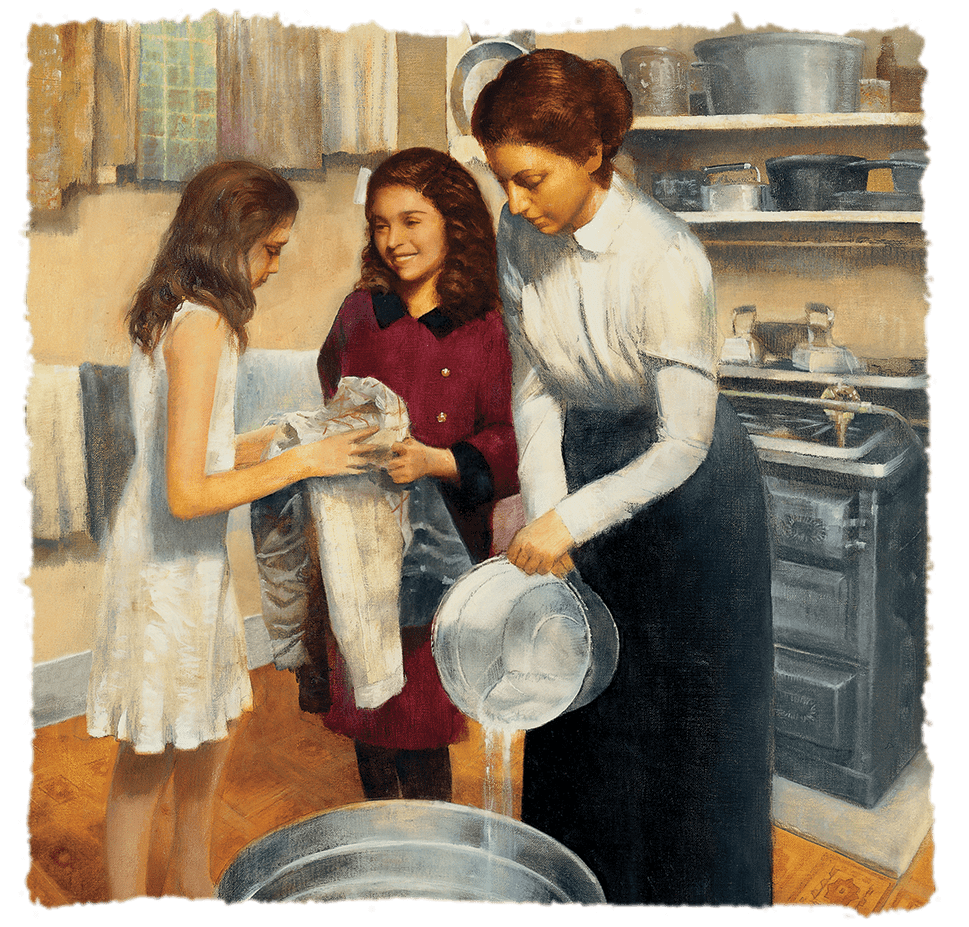

When Rebecca’s cousin Ana arrives off the ferryboat from Russia, she takes a bath in a metal tub in the kitchen!

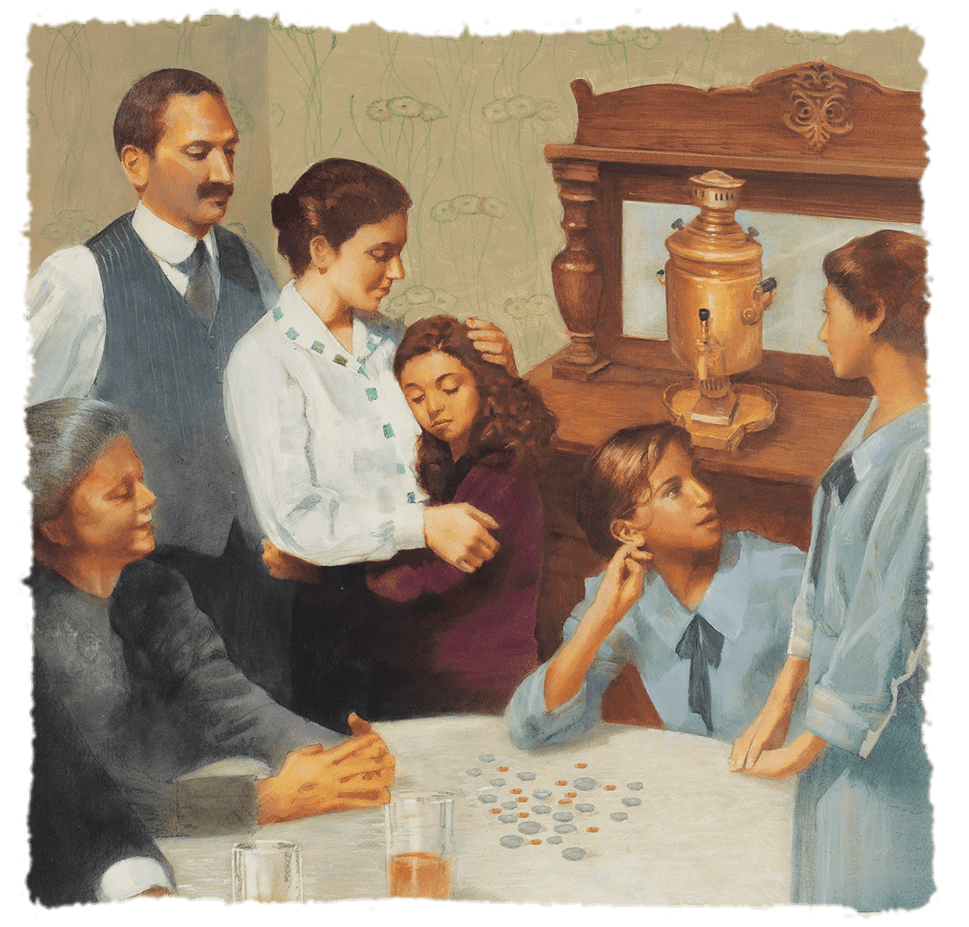
Rebecca’s family brings their brass samovar from Russia—a traditional tea urn and cherished heirloom that symbolizes home, warmth, and traditions.

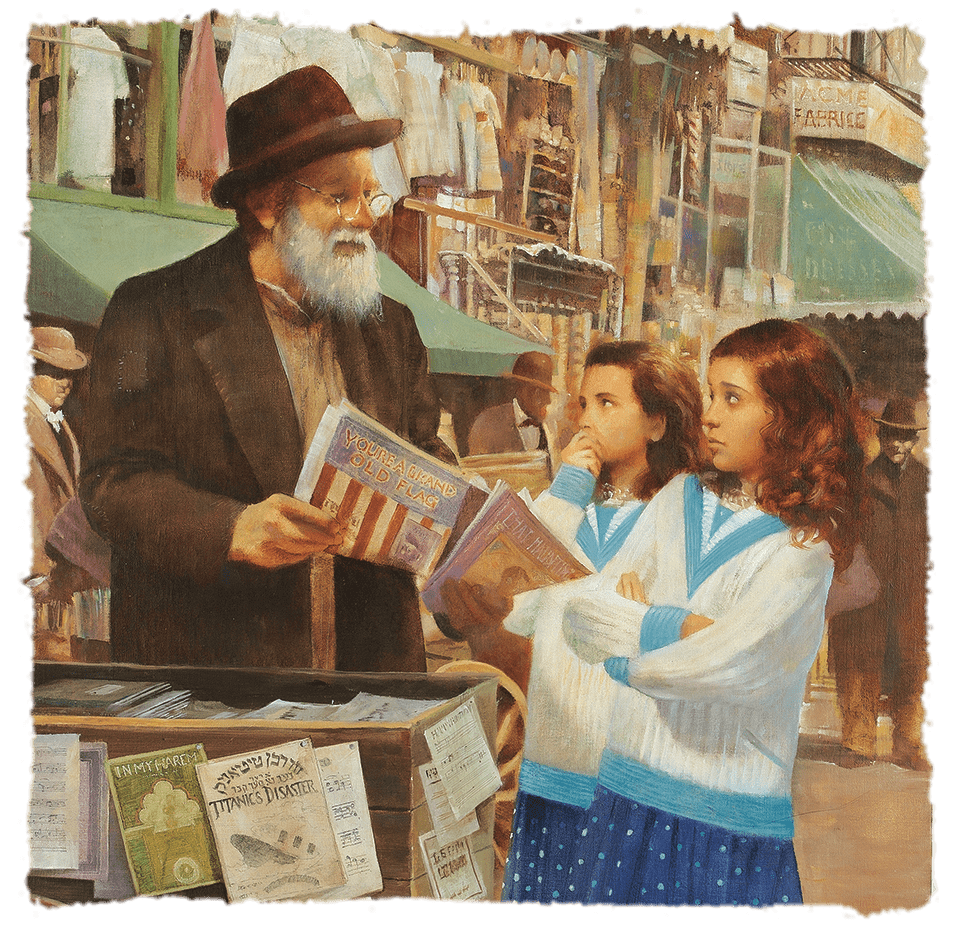
Yiddish and Italian newspapers were readily available, and shops often had signs in several languages.

Mama’s cousin Max believes Rebecca has natural talent as an actress. He encourages her to follow her acting dreams.

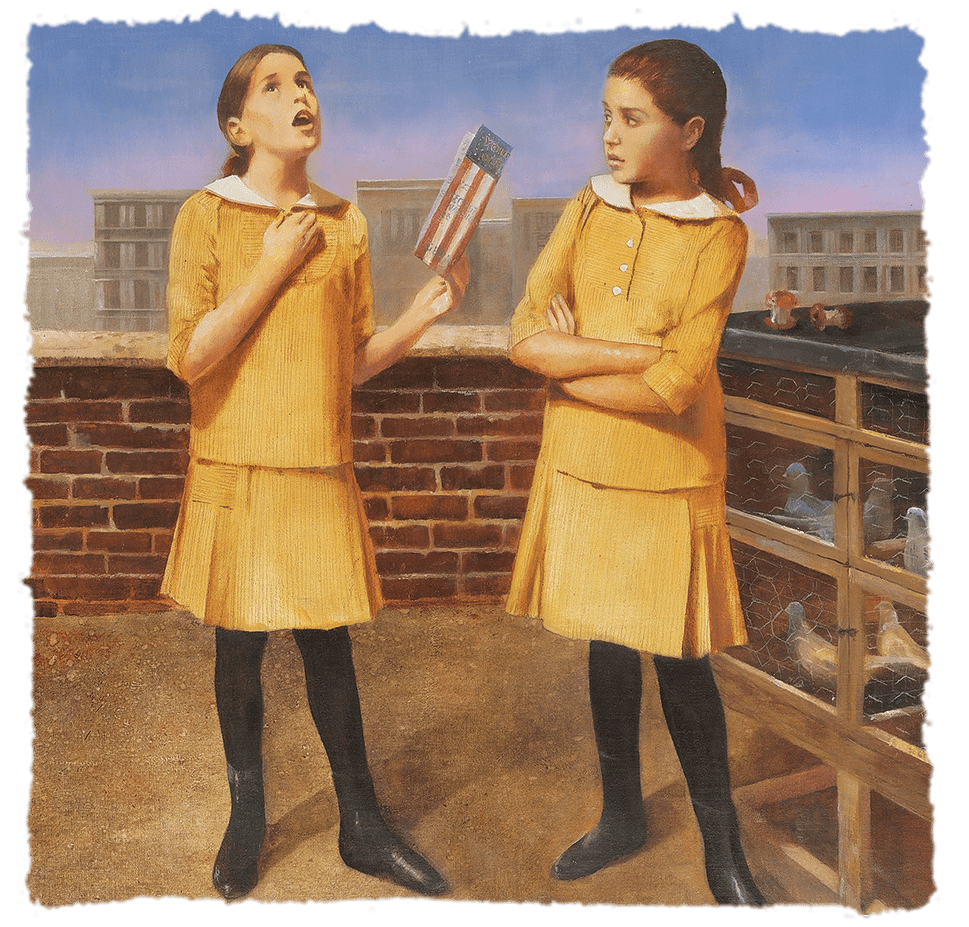
Amerikanka is the Russian way to say American. Because of her Russian background, Rebecca’s cousin Ana pronounces “flag” as “fleg” and “land” as “lend."

Rebecca likes to pretend she’s auditioning for a movie. She imagines playing a poor immigrant who had to sweep the streets to help her family survive.
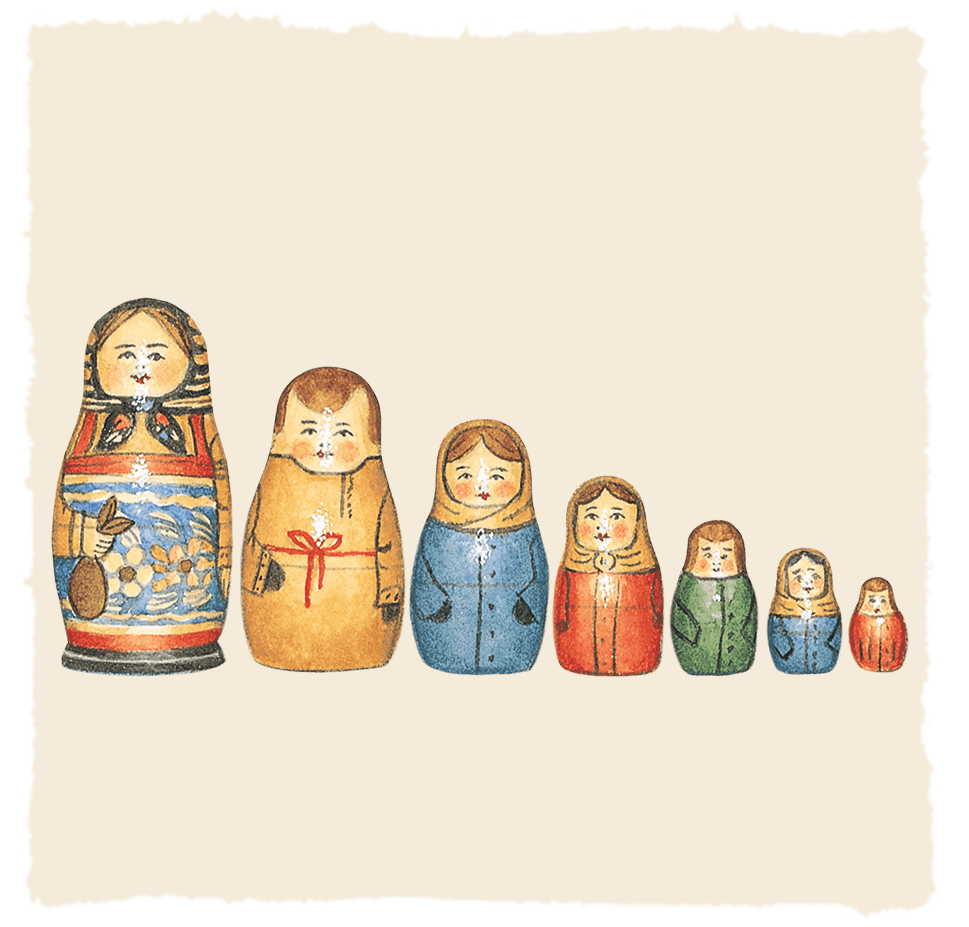



The name Matryoshka, as in Matryoshka dolls, comes from Matryona, meaning “little mother” and symbolizes family, tradition, and generations within generations.

Recorded music of all kinds was so popular by Rebecca’s time that “talking machines” and phonographs could not be built fast enough.

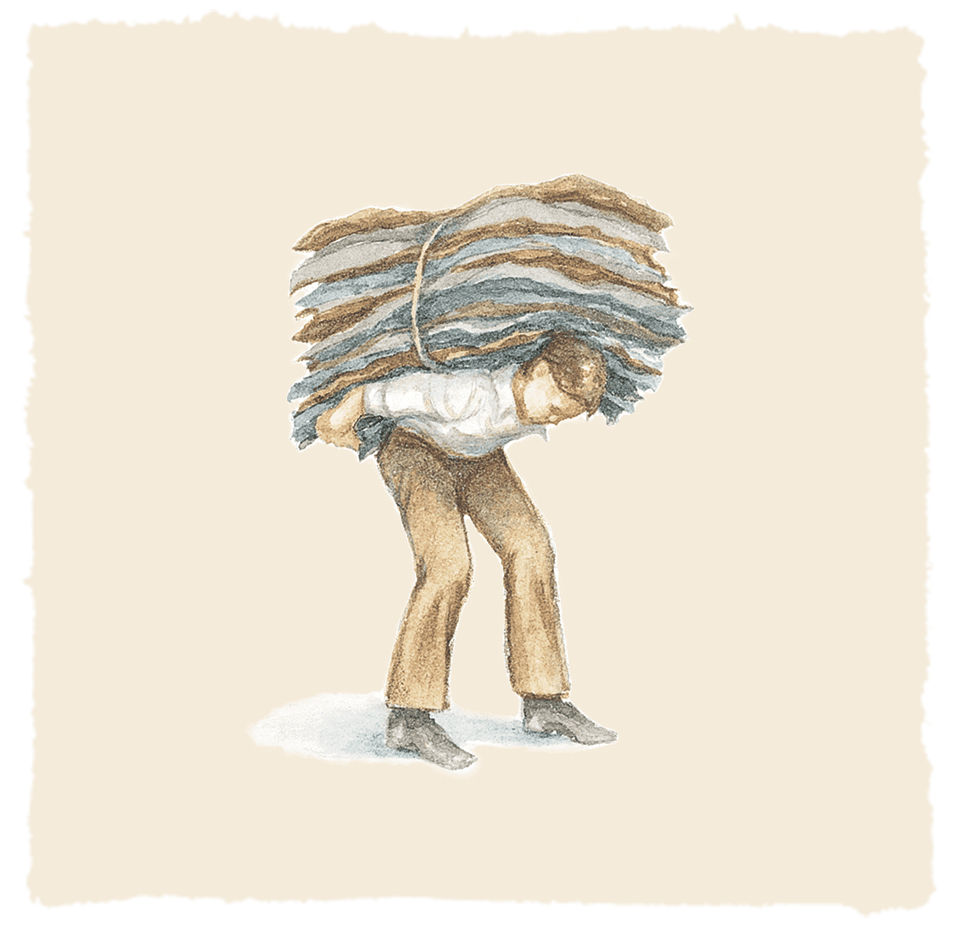
Many Jewish immigrants worked in dangerous factory sweatshops for low pay. These jobs were often the only choice for those who didn’t yet speak English.

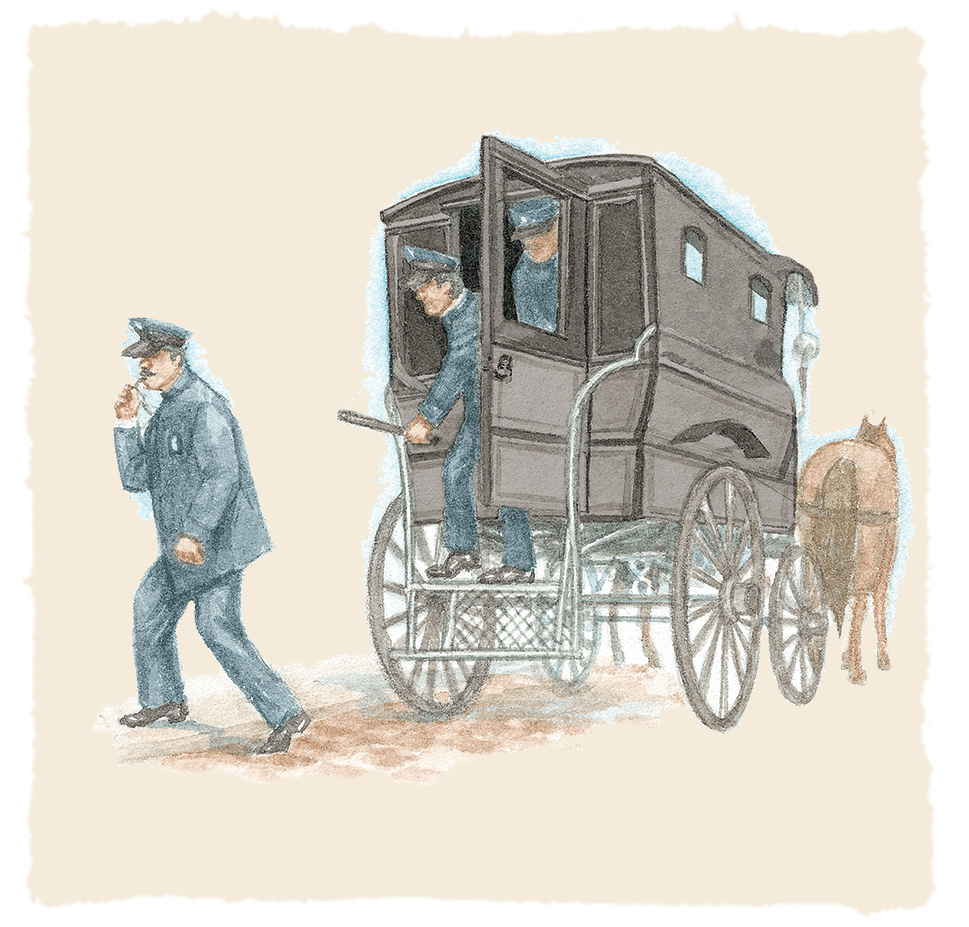
In the early 1900s, factory workers began organizing into unions. Owners brought in police to arrest the strikers, but finally agreed to some of their demands.

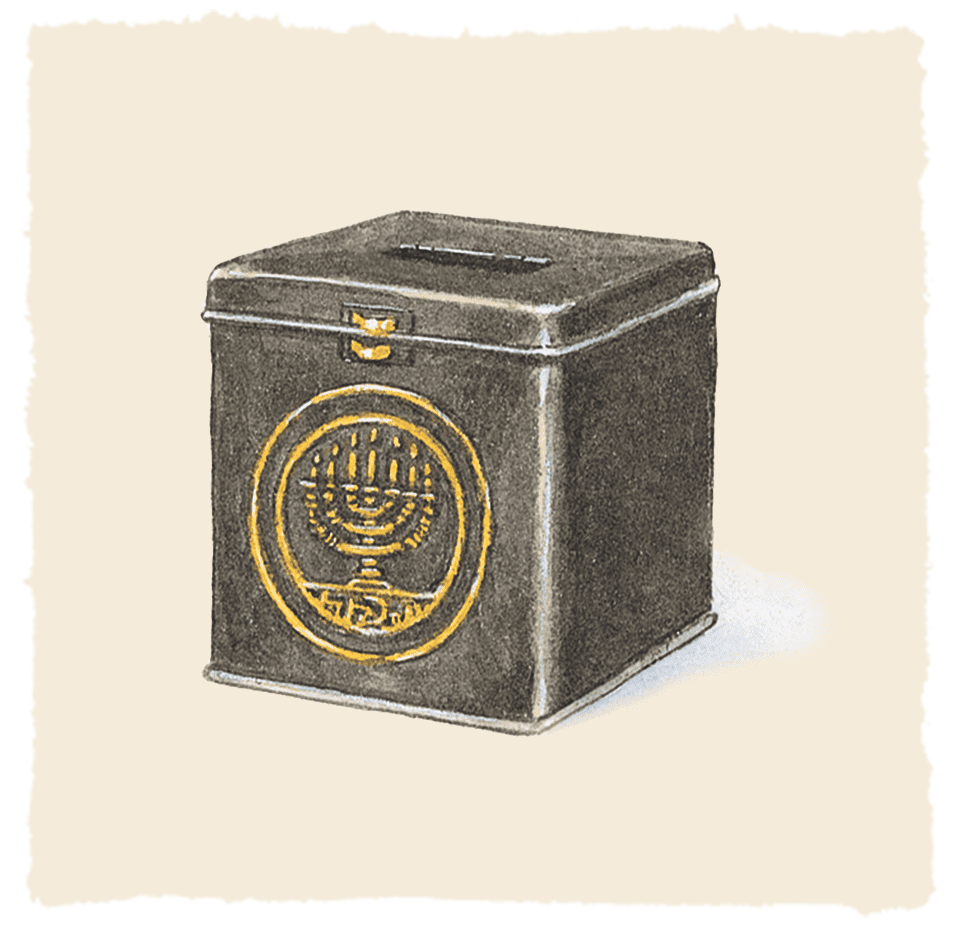
Jewish families would practice mitzvah whenever they could by putting spare change in a pushke—a charity box—that was donated to their synagogue to help new immigrants.

By 1914, New York City was a major hub of the booming movie industry. Studios across the U.S. produced hundreds of silent films each year and employed thousands in film production.