


Kaya. 1764
Meet Kaya!

Growing up in 1764, Kaya is an adventurous and spirited girl of the niimíipuu. Whether she’s racing her beloved horse or caring for her family, Kaya’s courage and determination always shine through.


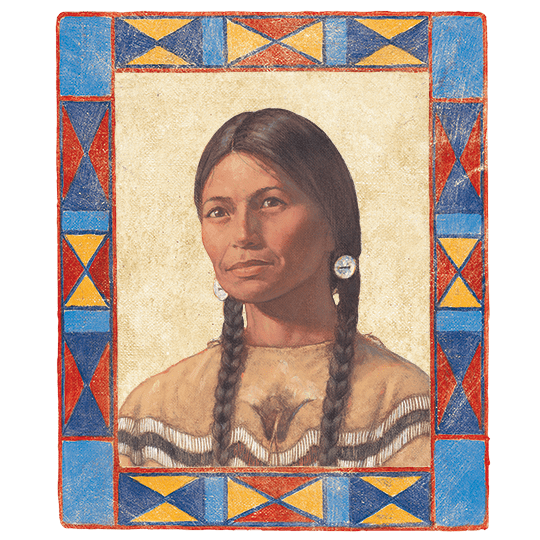
Eetsa
Kaya’s loving mother is a good provider for her family and village. She guides Kaya in traditional work and reminds her that actions have consequences for the whole community.
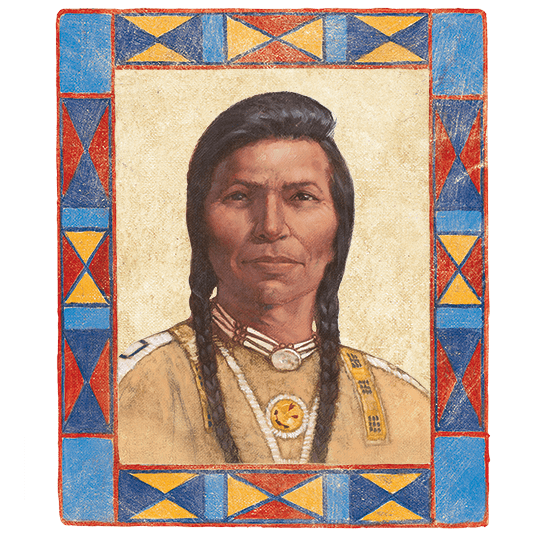
Toe-ta
Kaya’s father is a village leader and a skilled horseman who shares his knowledge of horses with Kaya and teaches her the importance of responsibility.
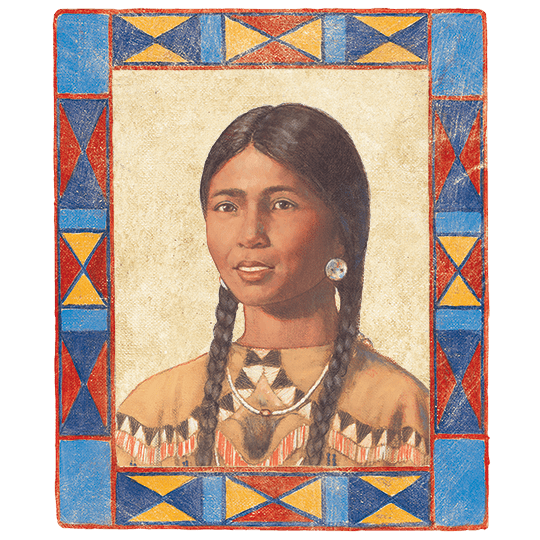
Brown Deer
Kaya’s older sister models the grace and maturity that Kaya hopes to achieve. When Brown Deer prepares to marry Cut Cheek, a young warrior, Kaya learns that marriage strengthens rather than breaks family bonds.
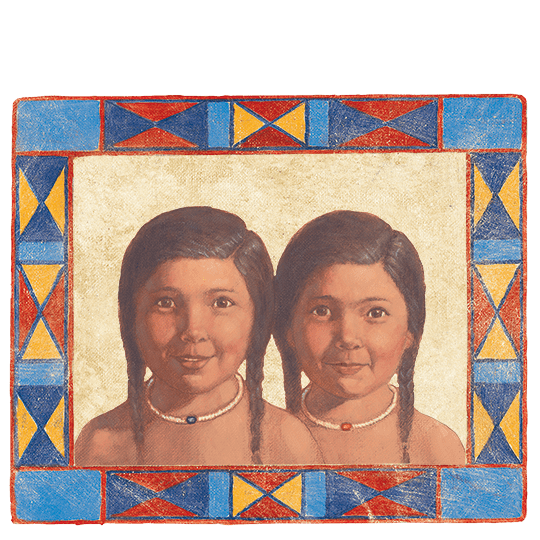
Wing Feather and Sparrow
Kaya’s mischievous four-year-old twin brothers love to play and explore. They are considered special because they were born when the setting sun and the rising moon were in the sky at the same time.
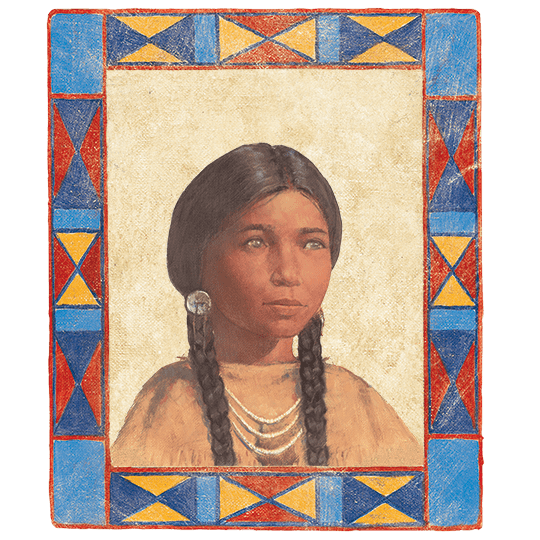
Speaking Rain
Kaya’s blind adopted sister and closest companion, Speaking Rain offers calm, steady guidance when Kaya acts on impulse. After being taken captive, she finds safety with the Salish people until Kaya finally reunites with her.
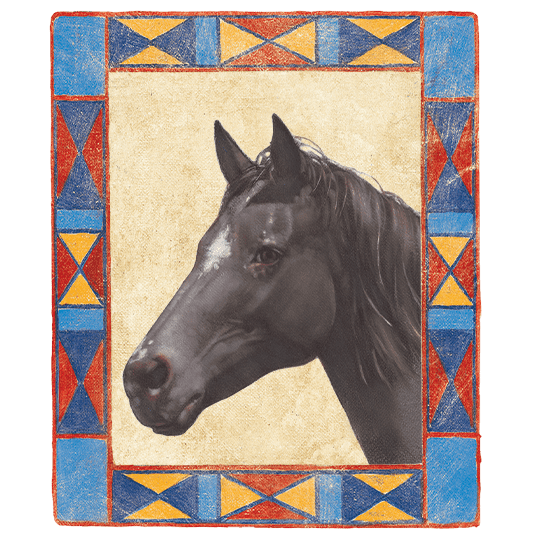
Steps High
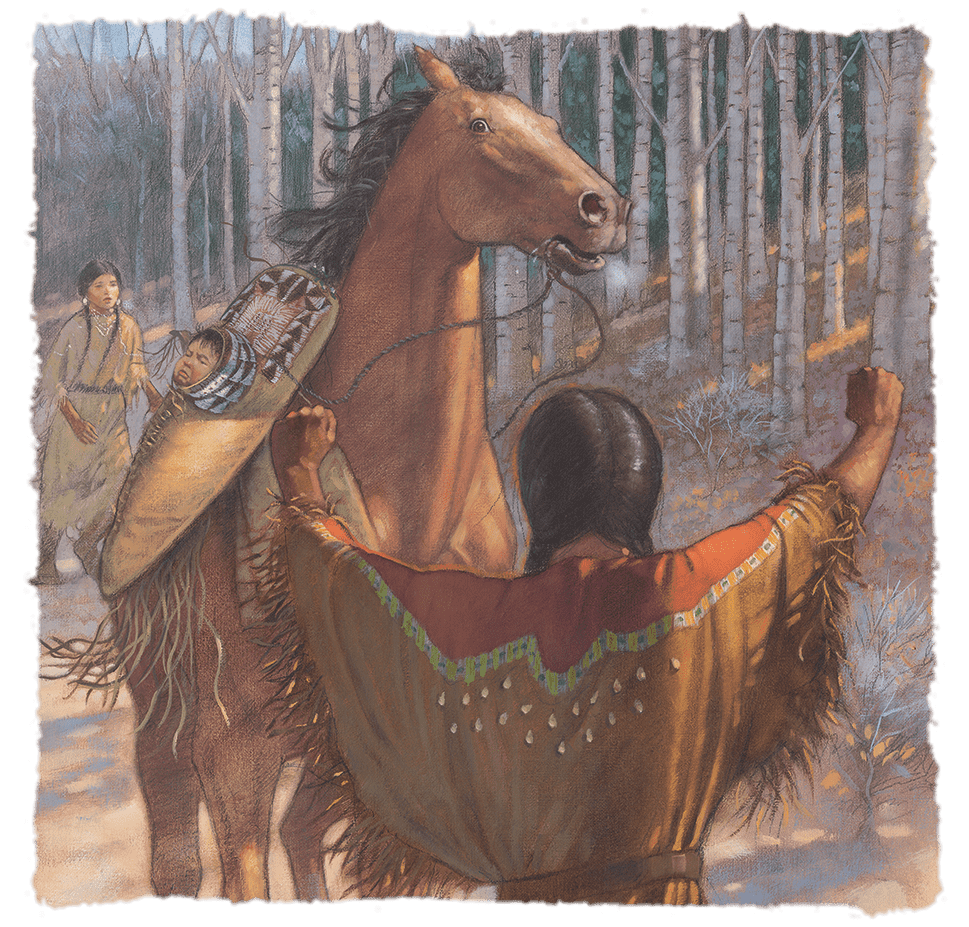
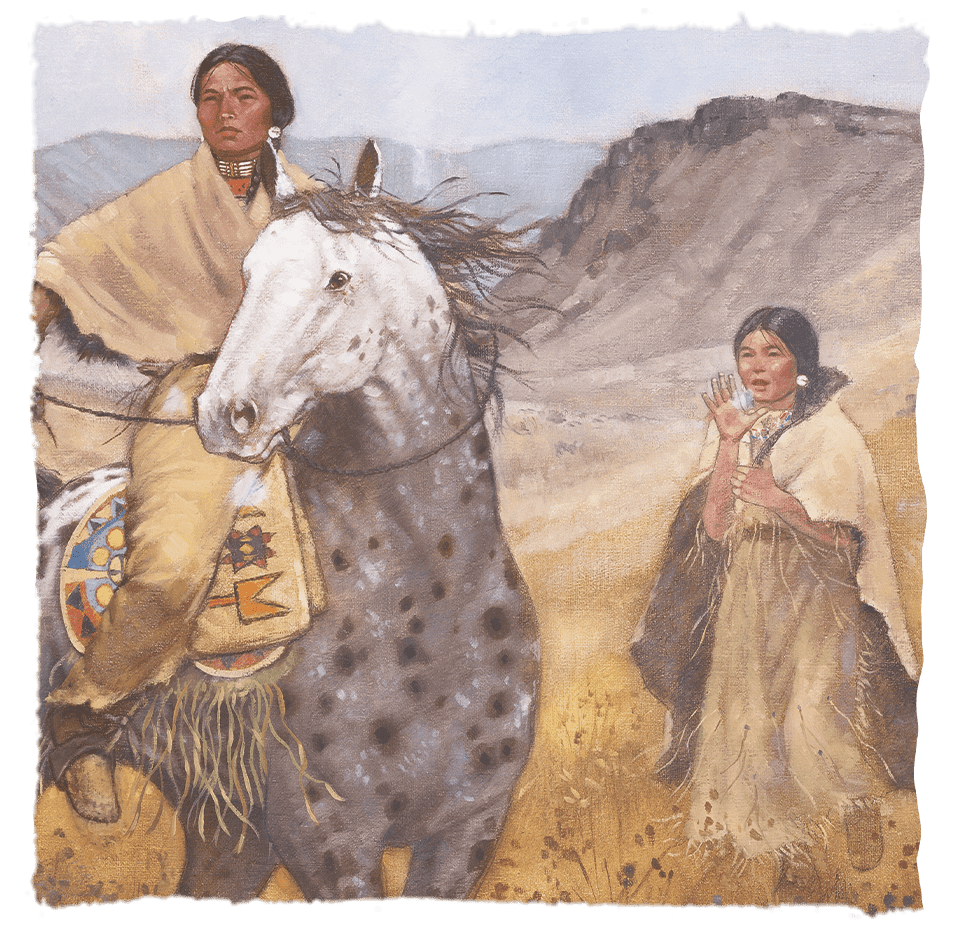
Kaya’s spirited Appaloosa mare is fast and strong but not fully trained. After a risky race, Kaya works with her father to earn the horse’s trust and learn true partnership.
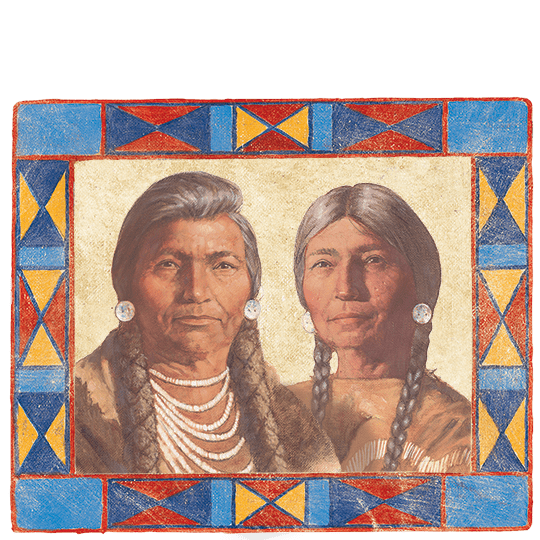
Kalutsa and Aalah
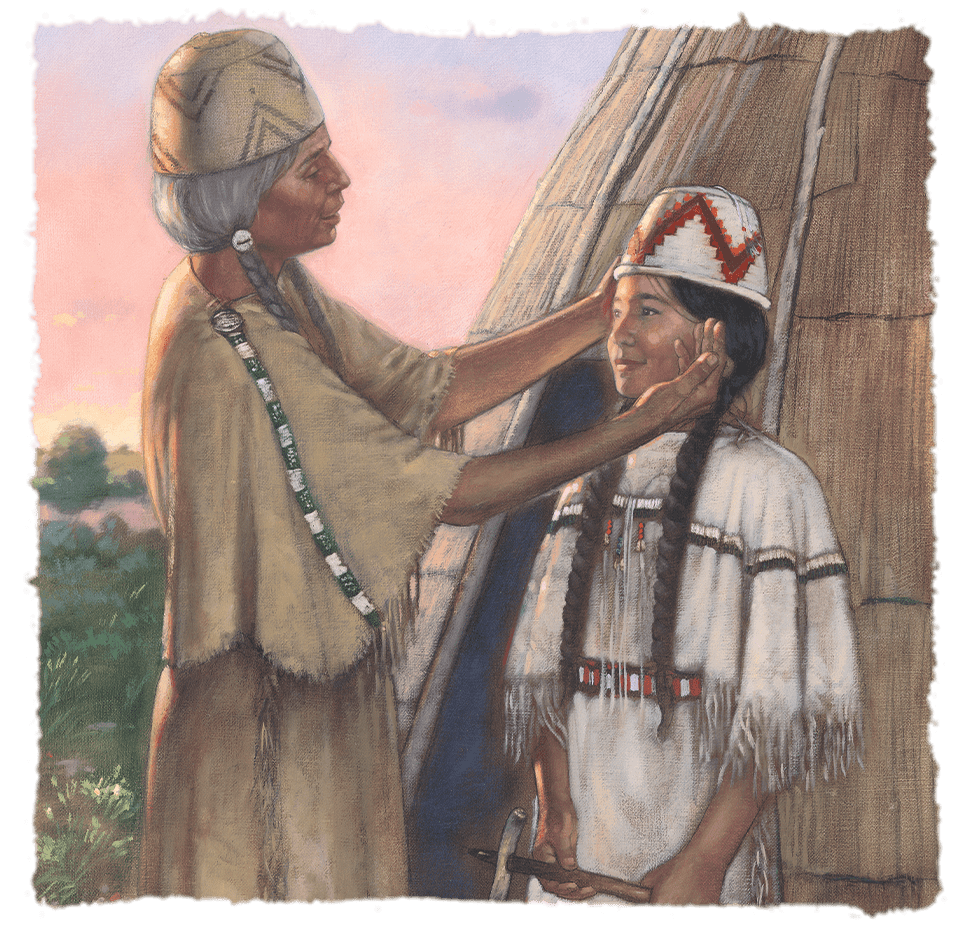
Kaya’s wise paternal grandparents share advice and traditions. Aalah teaches Kaya through stories from her own childhood.
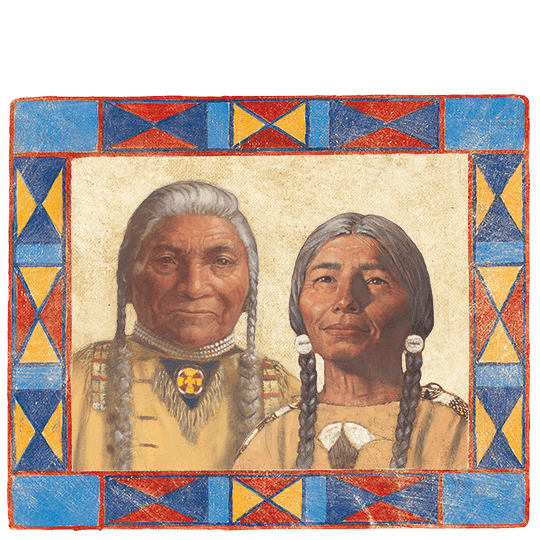
Pi-lah-ka and Kautsa
Kaya’s grandparents from her mother’s side help her understand the spiritual importance of their food-gathering activities and encourage her to “know her own heart.”
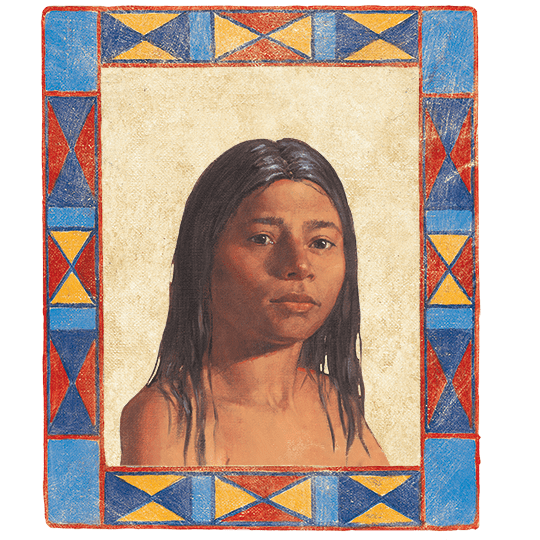
Two Hawks
A Salish boy who is also captured by raiders. He and Kaya help each other escape from their captors, forging a friendship founded on cooperation and trust.
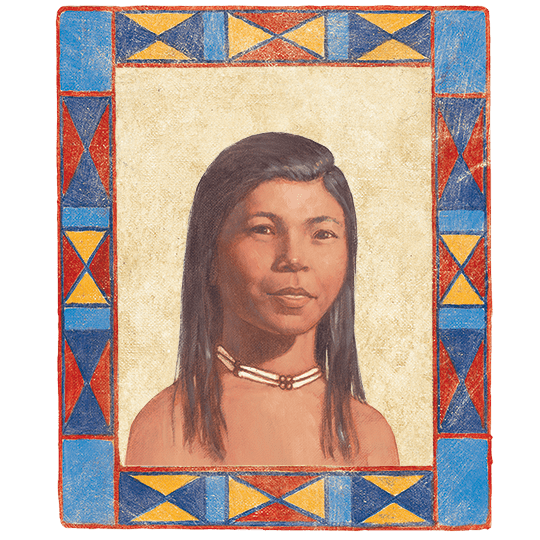
Raven
A boy in Kaya’s village who loves to race horses. Though he challenges Kaya to the dangerous race that leads to trouble, Raven later helps her control Steps High and defends her claims about her horse’s speed.
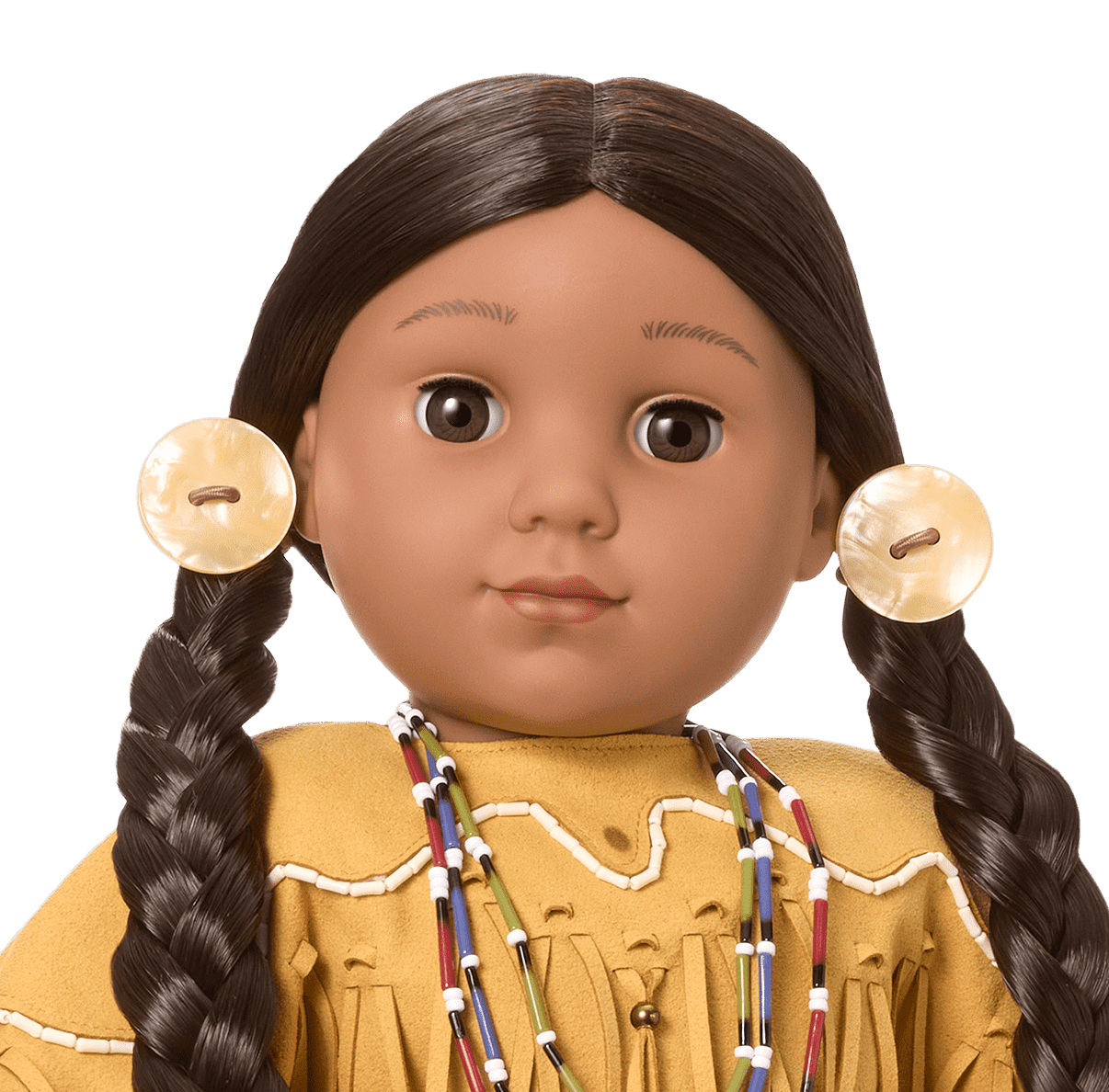
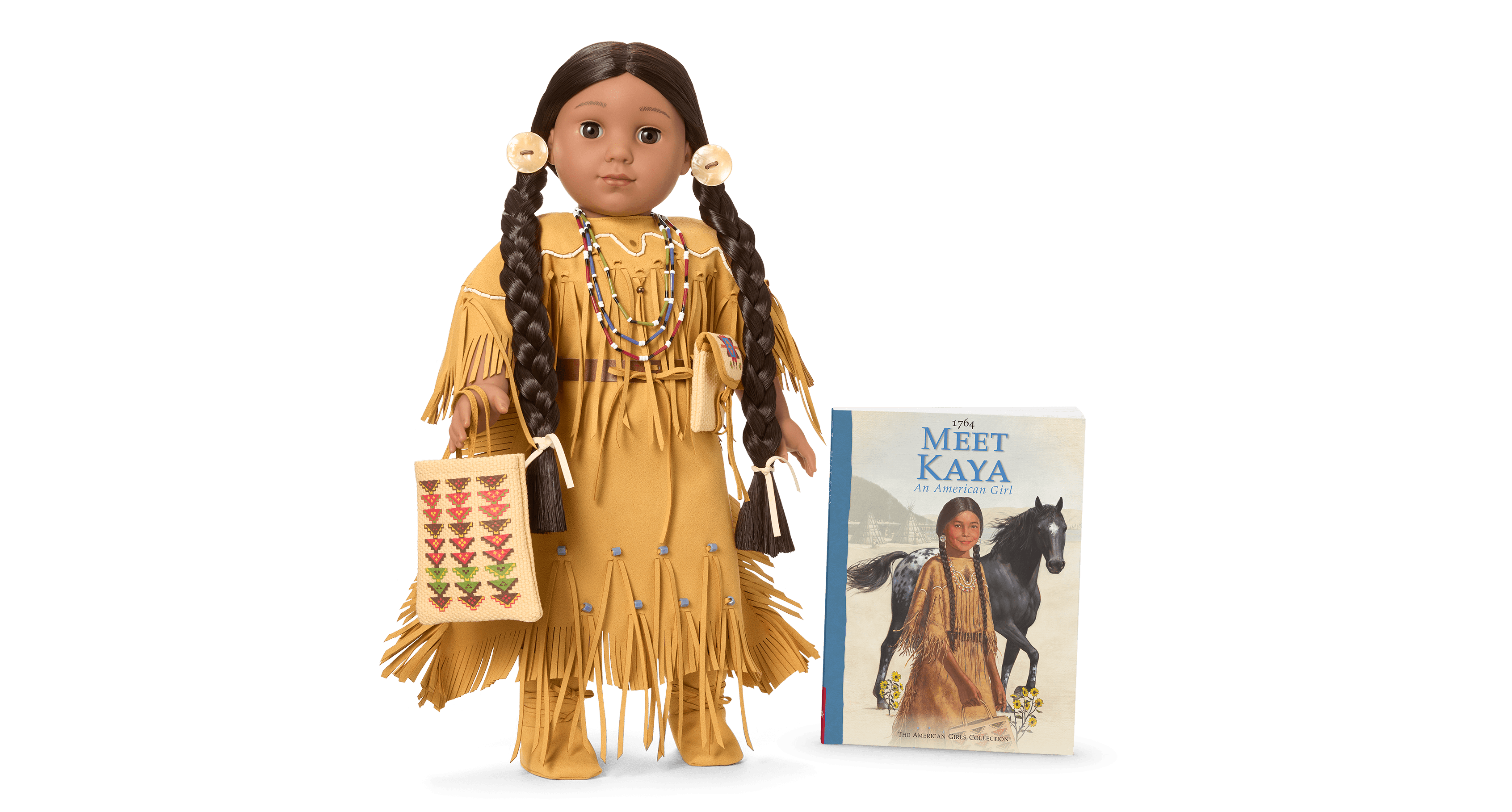
Kaya™ Doll, Book & Accessories
Kaya’s faux-deerskin dress and woven bag and pouch are reflective of her time period and tribe. Each detail reflects her daily life, traditions, and her journey to becoming a strong niimíipuu leader.
Shop Kaya™ Doll, Book & Accessories
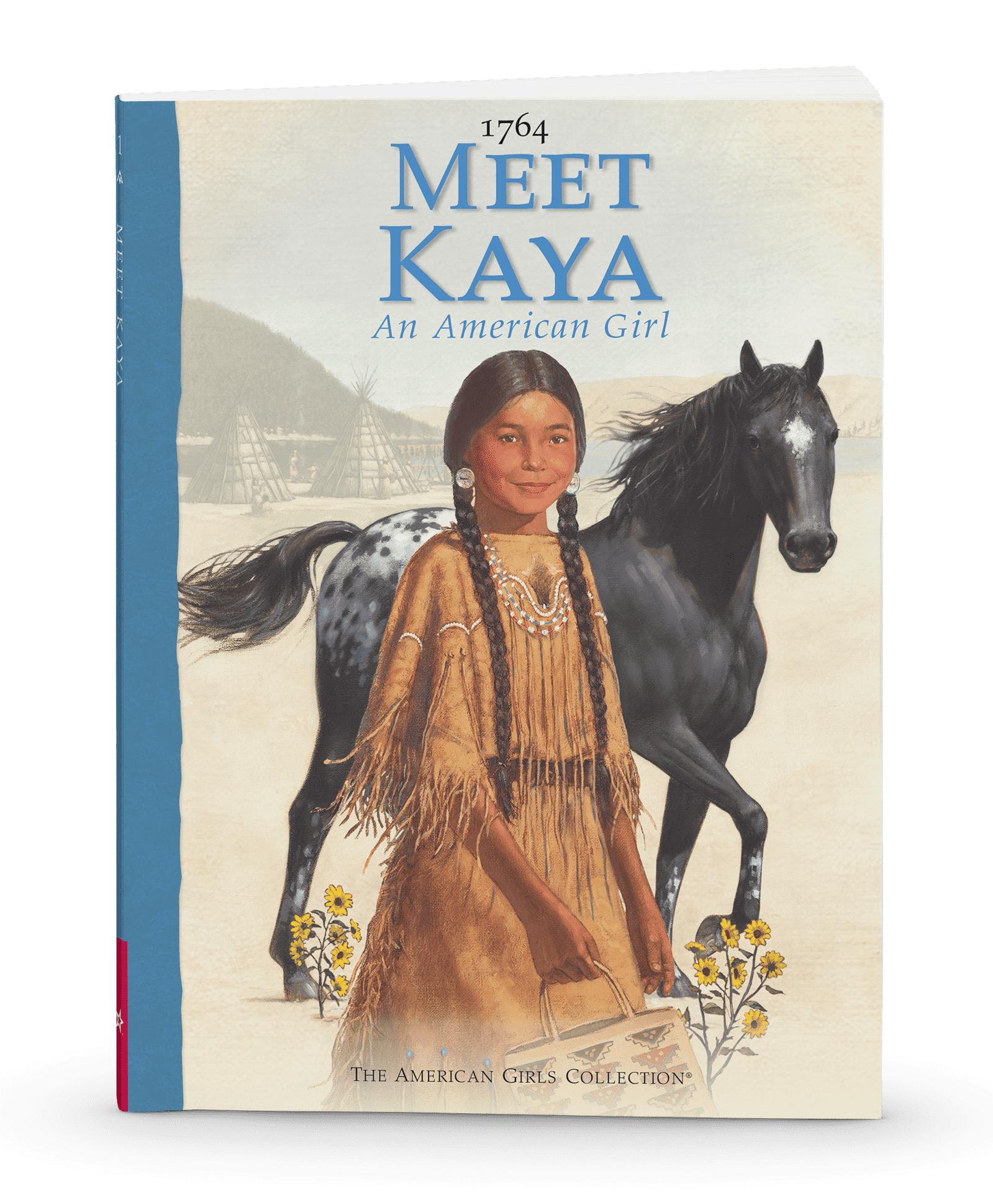
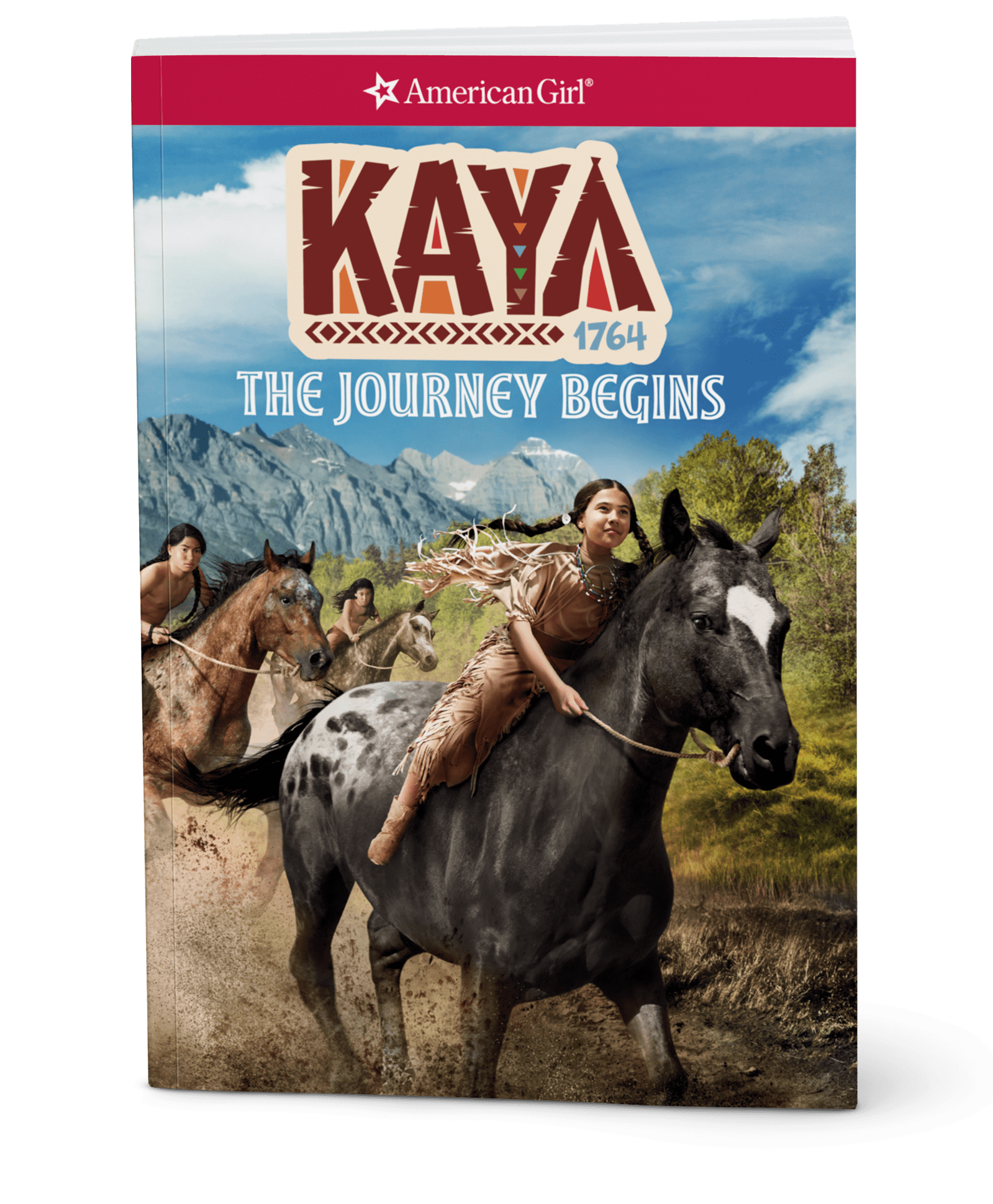
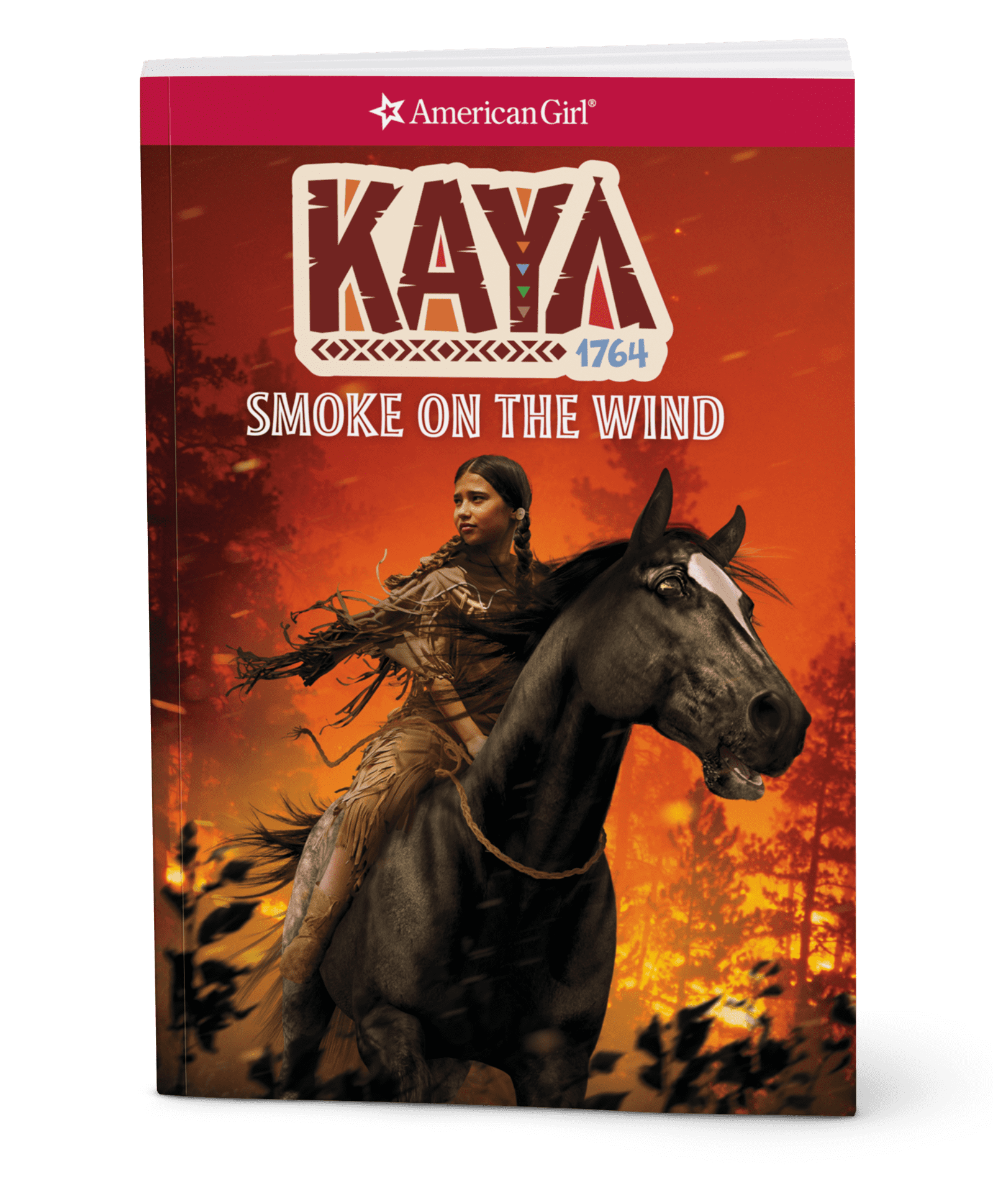
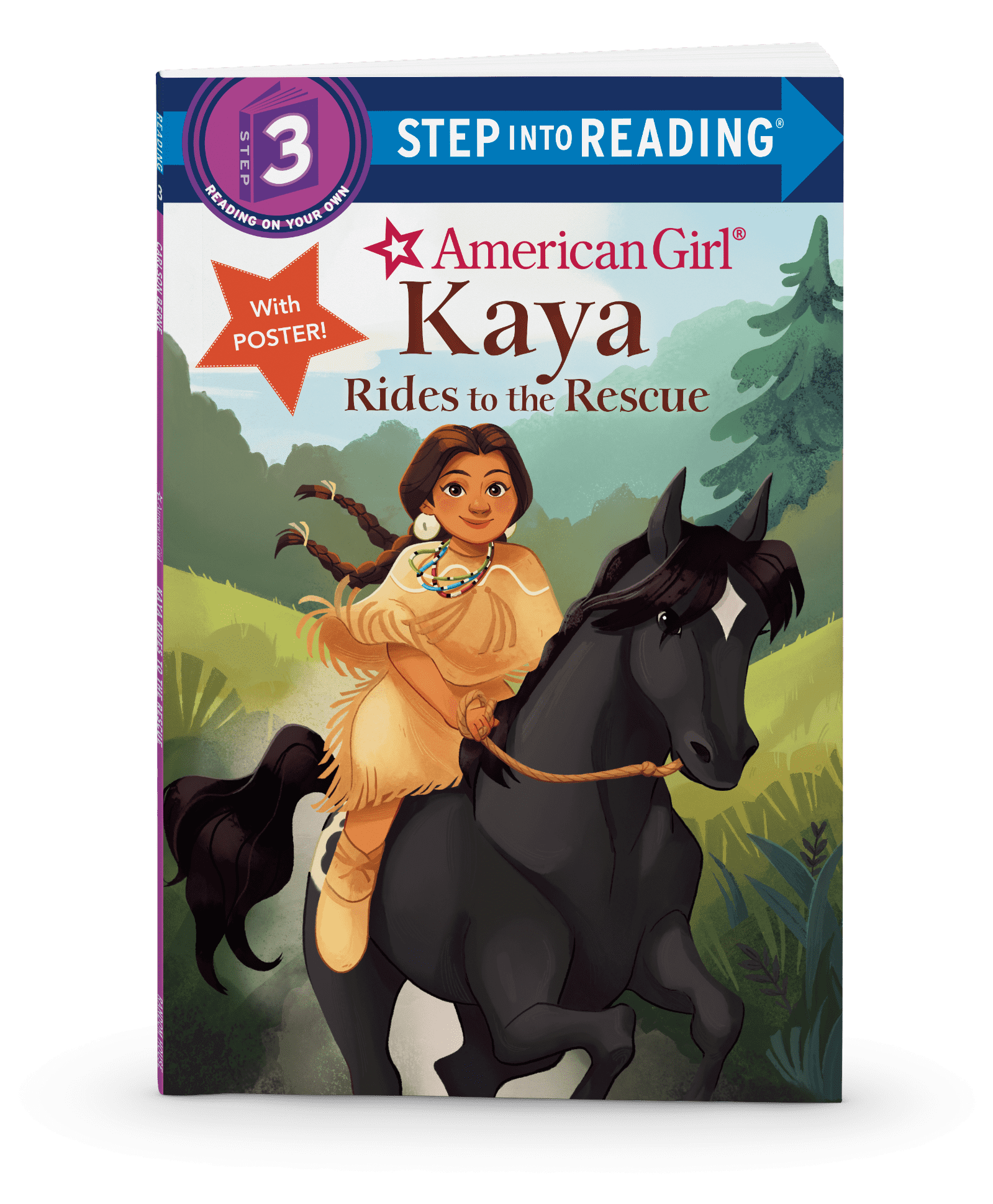
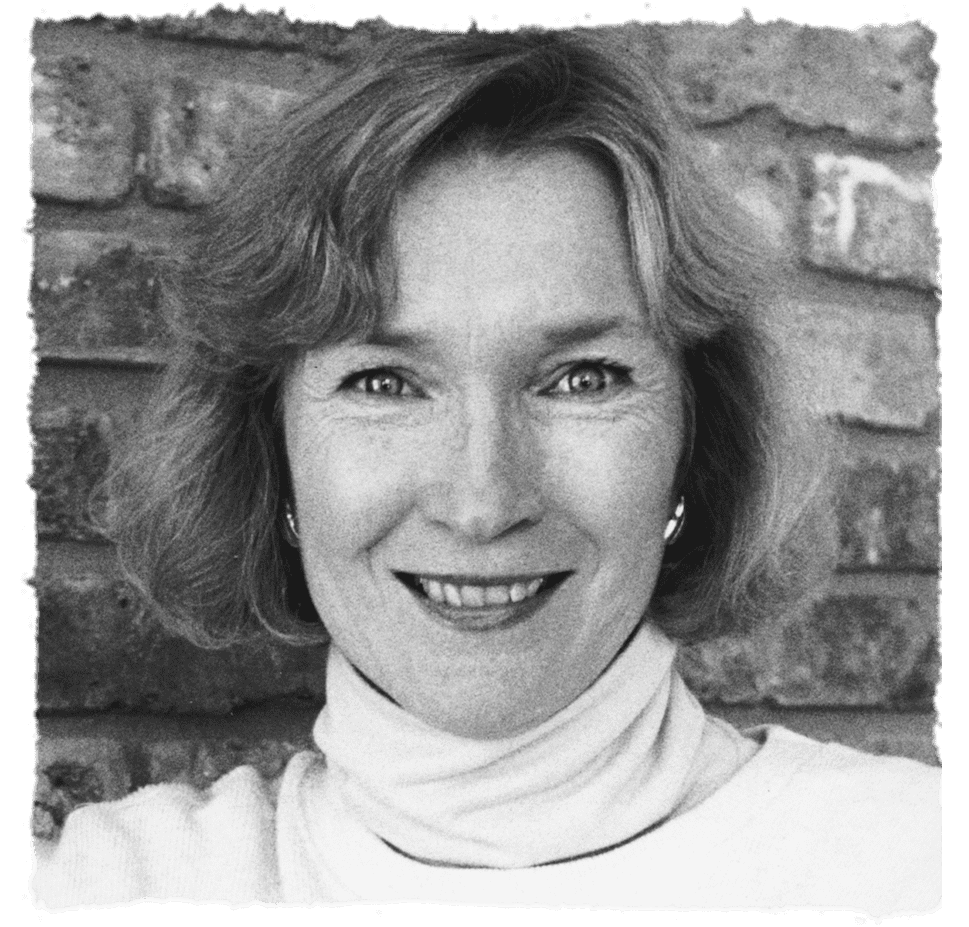
Author Janet Shaw
Each night when Janet Shaw was a girl, she took out a flashlight and book hidden under her pillow and read until she fell asleep. She and her brother liked to act out stories, especially ones about sword fights and wild horses. Today, she has three grown children. When they were small, she often pulled them in a big red wagon to the library, where they filled the wagon with so many books they had to walk back home.
Illustrator Bill Farnsworth
Bill Farnsworth was honored to tell part of the niimíipuu story through his paintings. He lives in Venice, Florida, with his wife, Debbie.


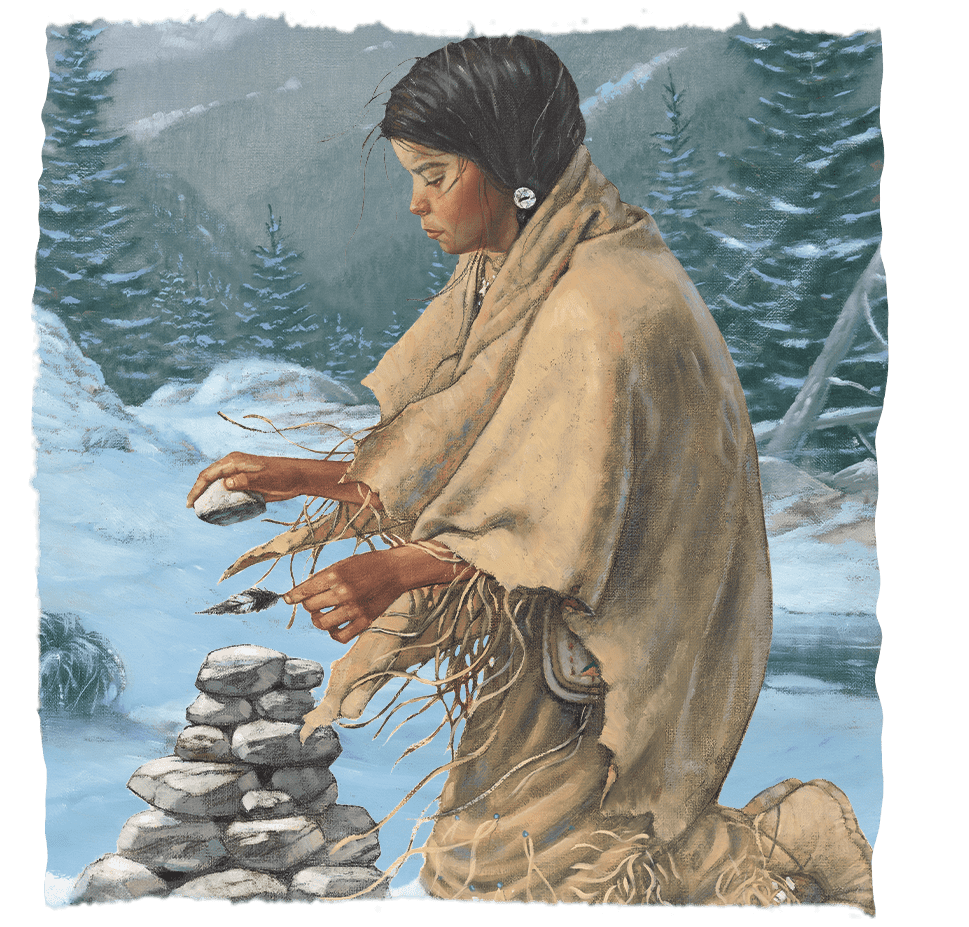
Kaya’s full name is kayaˀatóonmay, meaning “she who arranges rocks.”

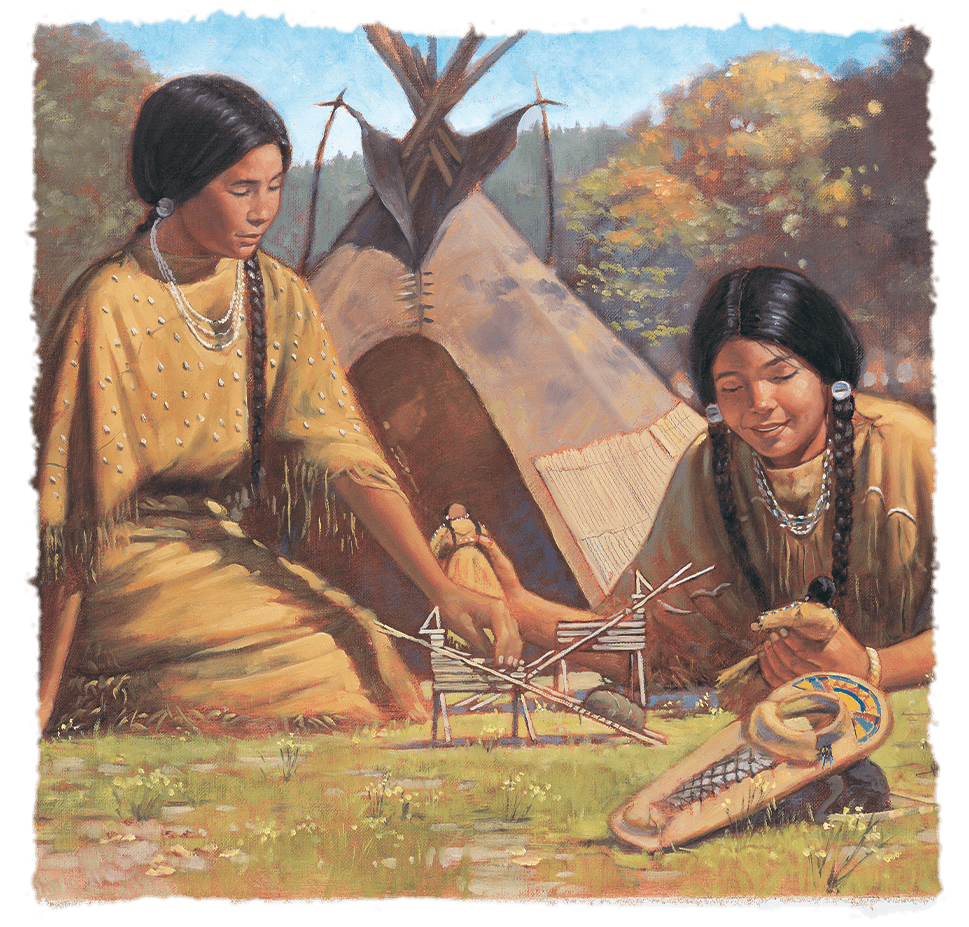
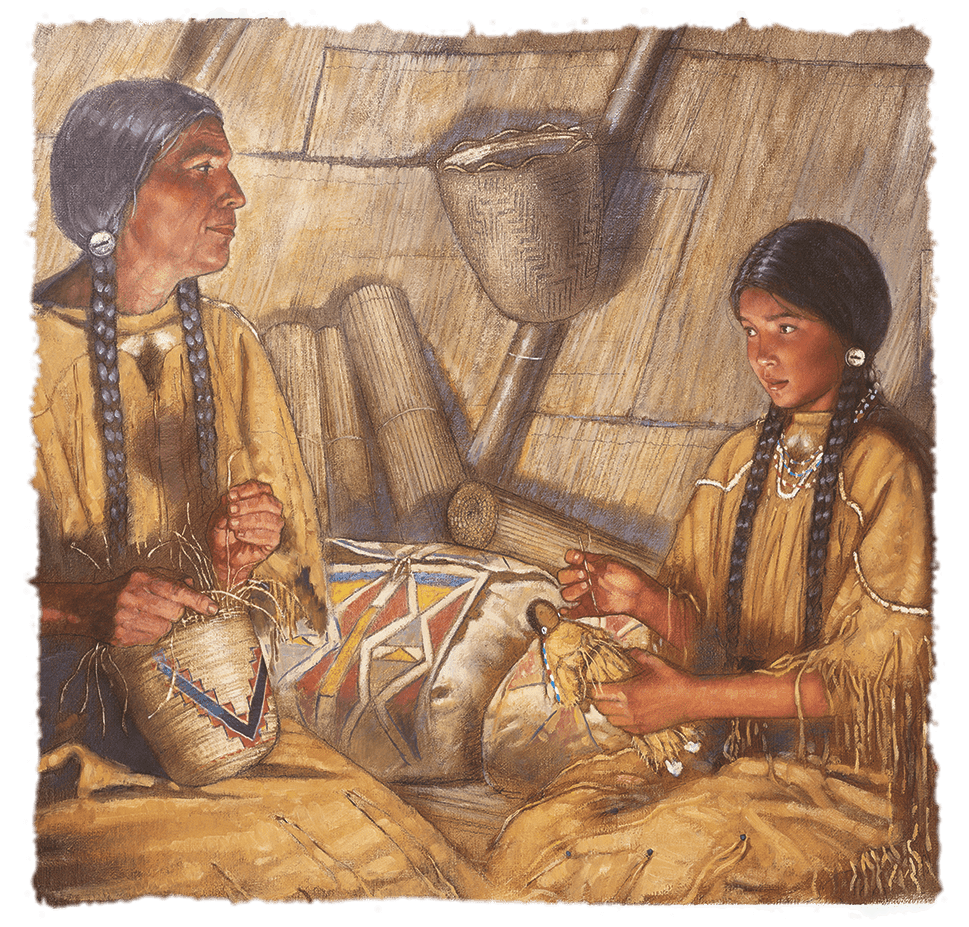
Kaya and other girls learn to weave baskets from natural materials like beargrass, hemp cord, and cedar bark.

Women in Kaya’s village make finger cakes from kouse roots. Kaya’s grandmother was once nicknamed “Finger Cakes” for sneaking too many as a child.

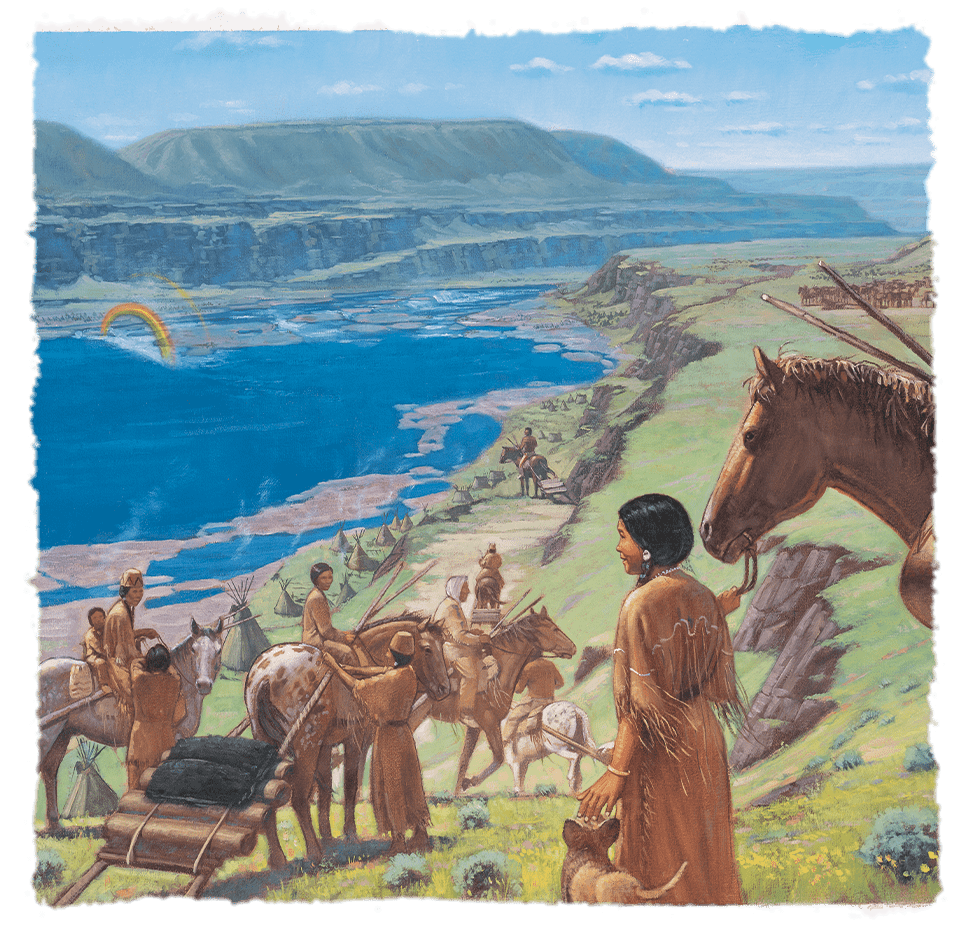
Steps High is an Appaloosa, a spotted horse the niimíipuu became known for. They bred all their horses for strength, speed, and endurance.

Speaking Rain’s most beloved treasure is a buckskin doll stuffed with deer hair. Tatlo later uses its scent to help track and find her.

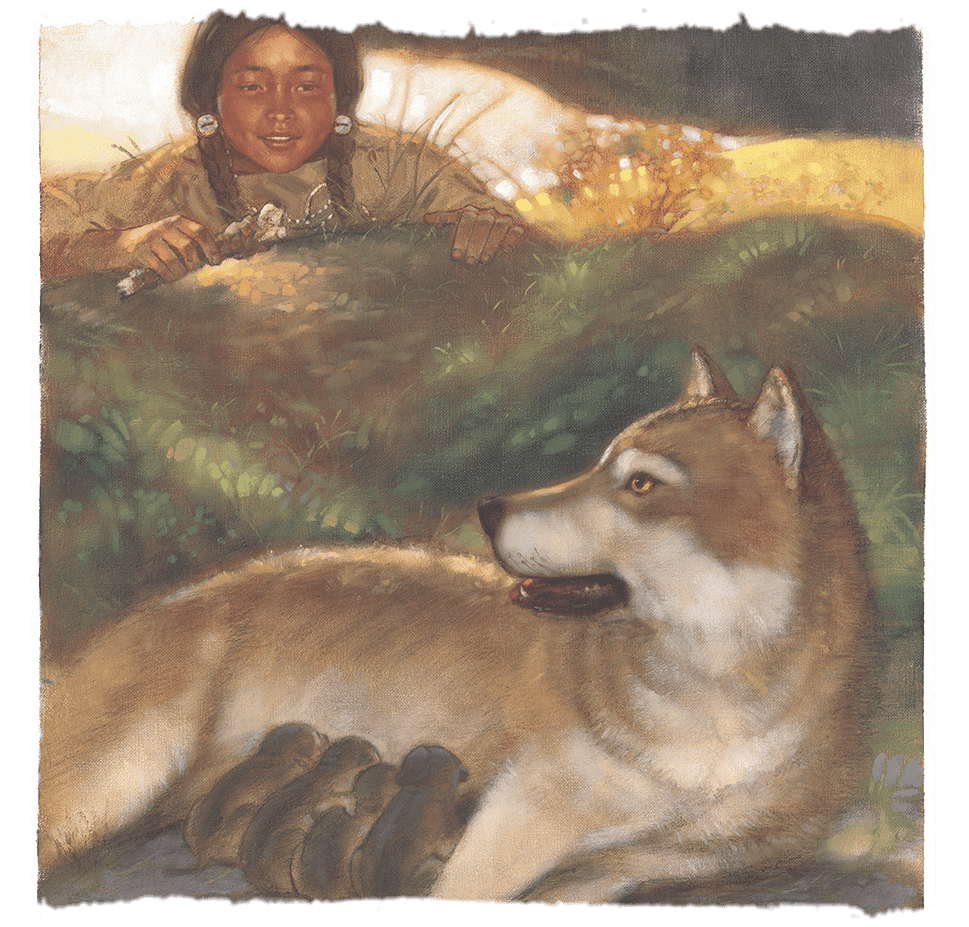
After a dog gives birth to pups, she lets Kaya be a part of her new family. Although Lone Dog must move on, one of her pups, Tatlo, becomes Kaya’s special dog.
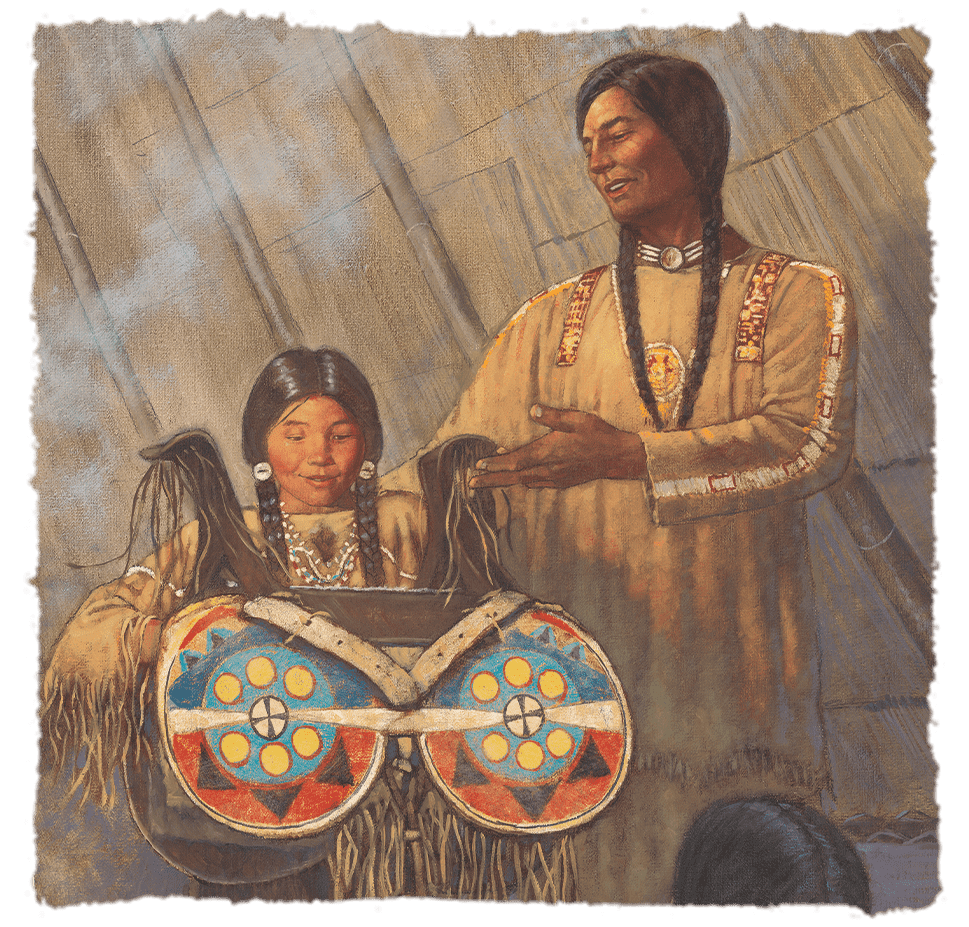


In Kaya’s time, young girls helped make decorations for their horses, from long woven collars and dangling shells to feathers and embellished bridles.

The niimíipuu are skilled horsepeople who became known for breeding the spotted Appaloosa horse. Horses became central to their culture and way of life.

Storytelling is central to niimíipuu culture. Elders have always passed on history, traditions, and lessons with the children of the tribe.

In winter, most niimíipuu would follow trails to the valleys below, leaving cairns—piles of stones marking places—along the way to help guide them.

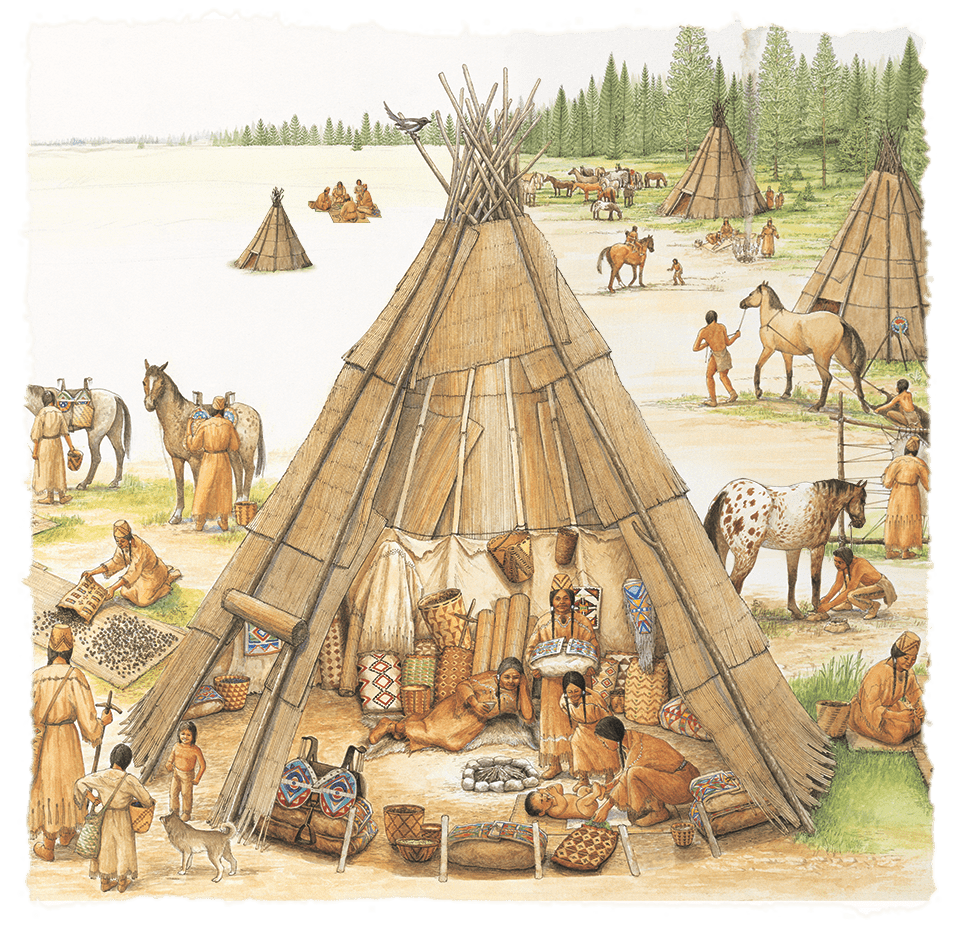
Tepees were made entirely of tule (pronounced too-lee) and pine poles. To create a tepee, four poles were lashed together and erected, allowing other support poles to rest in the crook.

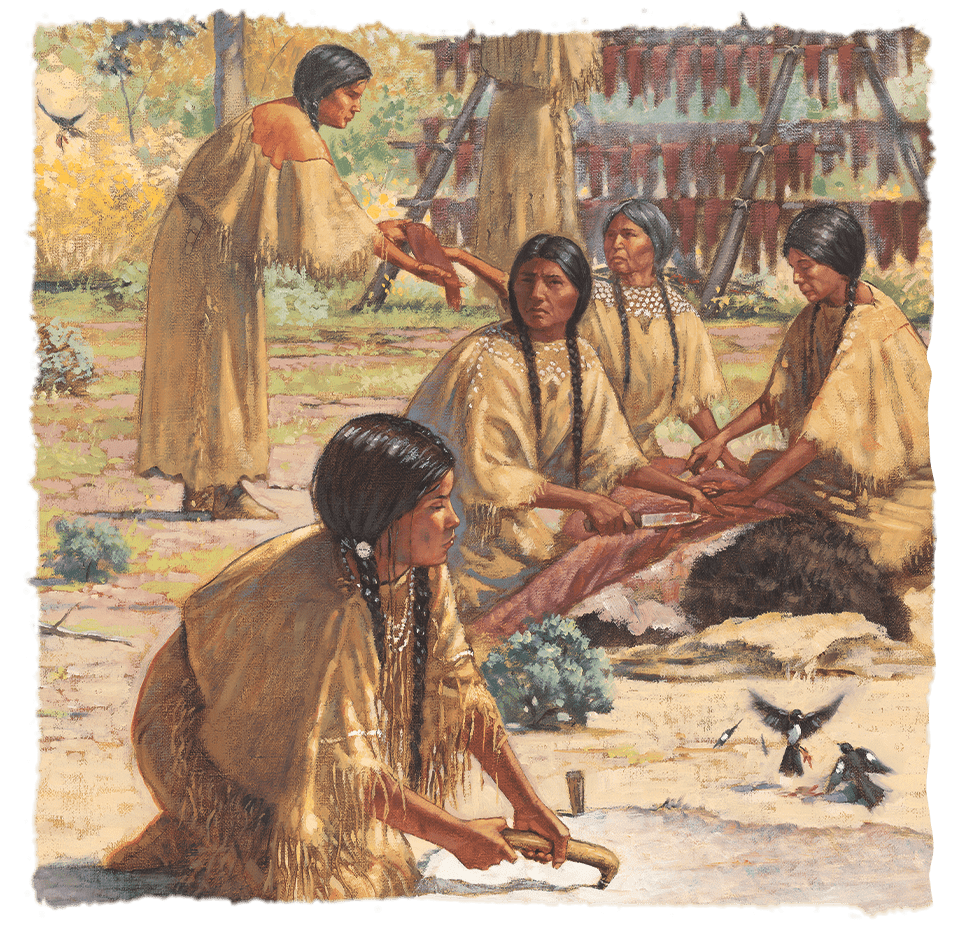
During salmon runs, niimíipuu men caught hundreds of fish with traditional spears. Women dried the salmon and packed it into large woven bags and parfleches.