






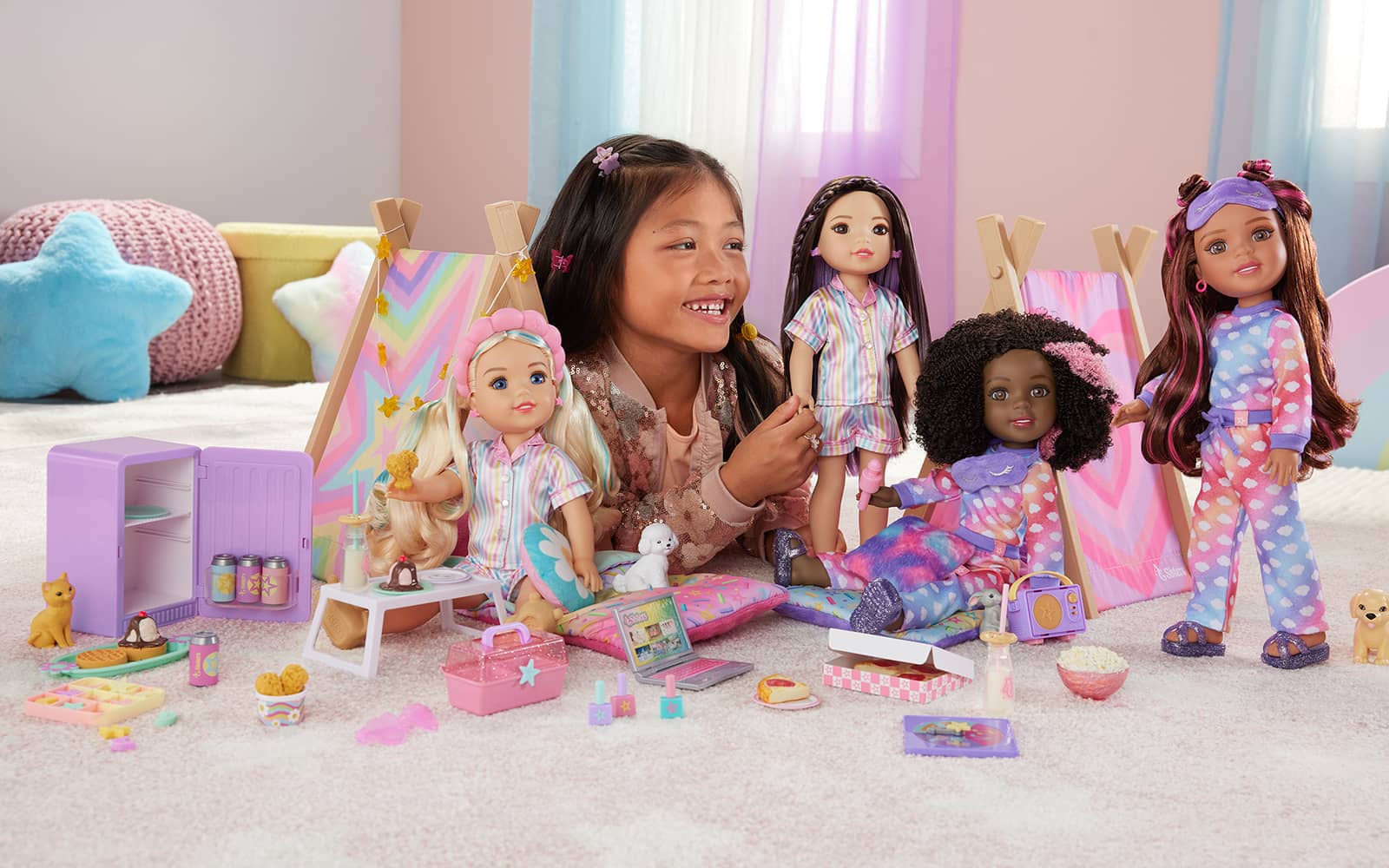
It's a request parents hear often, sometimes when they're right in the middle of something else. And while playing with your child is an important part of being a parent, there's something equally valuable about giving children the freedom to play on their own.
Independent play is more than a way to keep little ones entertained. It's an opportunity for children to explore their interests, and discover what they're capable of doing all by themselves.
The best part? Encouraging independent play doesn't require an elaborate setup or a room full of educational toys. Sometimes, all it takes is a favorite doll, a few accessories, and a little space to explore.
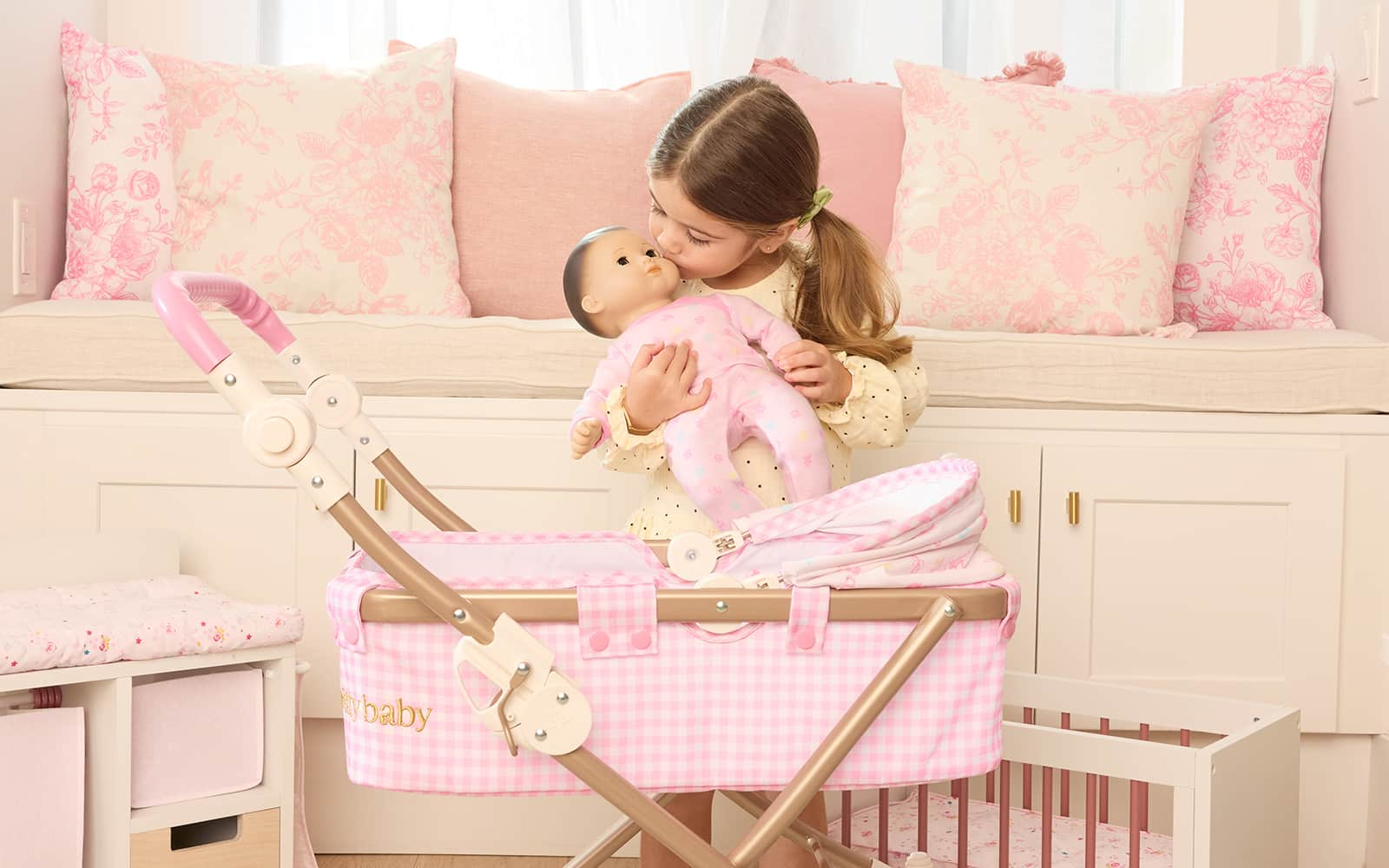
For toddlers and preschoolers, the world is full of things to discover. Every new experience presents an opportunity to learn, and independent play gives children the freedom to explore at their own pace.
Bitty Baby® brings everyday moments to life for little ones. Bitty Baby’s world reflects what a toddler may see regularly, from cribs to high chairs, bathtubs to strollers. Since these items mirror everyday activities, girls can recreate routines like eating, bathing, or comforting. That leads to girls discovering what they can do all by themselves.
As girls grow, their play becomes more elaborate. With WellieWishers™ and AG Sisters™ dolls, preschoolers can invent adventures inspired by friendship, nature, and everyday excitement like school and sleepovers. They might create a pretend garden, imagine a picnic, or tell a story about helping a friend. These moments of self-directed play help children practice independence in ways that feel familiar and fun.
As girls move on to school-age years, they more often want to play independently. American Girl has many characters with engaging stories that allow girls to build and imagine. And some dolls, like Truly Me™, are like a best friend a girl can explore with.
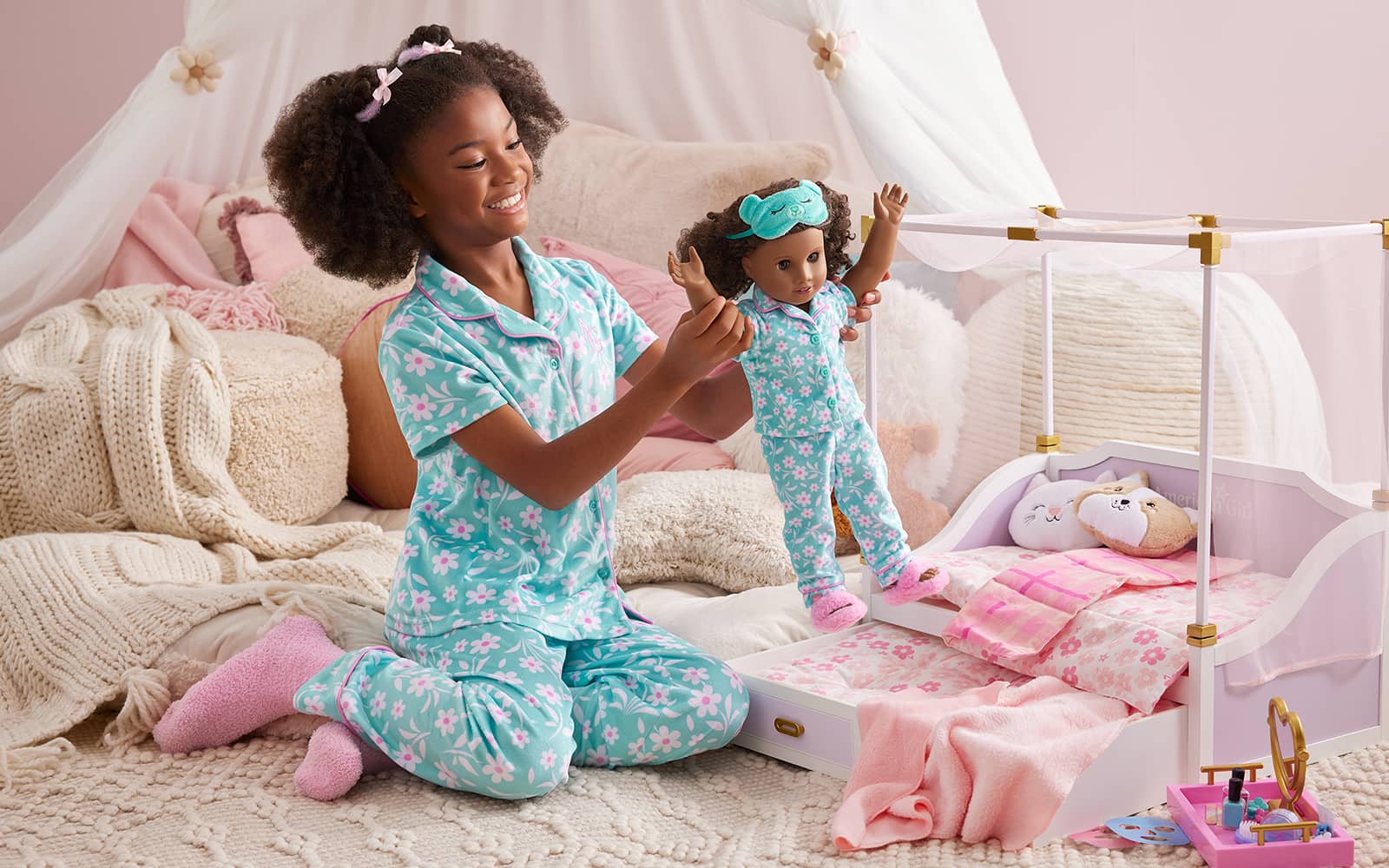
When girls play independently, they're doing much more than entertaining themselves. They're developing skills that can help them both inside and outside their playroom.
Confidence and independence. Every time a girl decides without an adult's direction, she's learning to trust herself. Choosing an outfit for her doll or deciding what adventure comes next can give her a sense of ownership over her play.
Creativity and imagination. Without someone telling them what to do, girls have the freedom to invent their own stories, characters, and possibilities. A cardboard box can become a house, a spaceship, or a stage for a doll's next big performance.
Problem-solving and persistence. What happens when a doll's furniture won't fit inside her pretend house? Or when a child can't quite figure out how to fasten an outfit? Independent play gives children opportunities to experiment, try again, and discover solutions.
Focus and concentration. When children become absorbed in an activity they've chosen, they practice directing their own attention. Over time, these experiences can help them become more comfortable engaging in activities without constant guidance.
Emotional understanding. Pretend play allows children to explore familiar feelings and experiences in a comfortable setting. A doll might be nervous about her first day of school, excited about making a friend, or disappointed when something doesn't go as planned. Through storytelling, children can explore how their characters might respond.
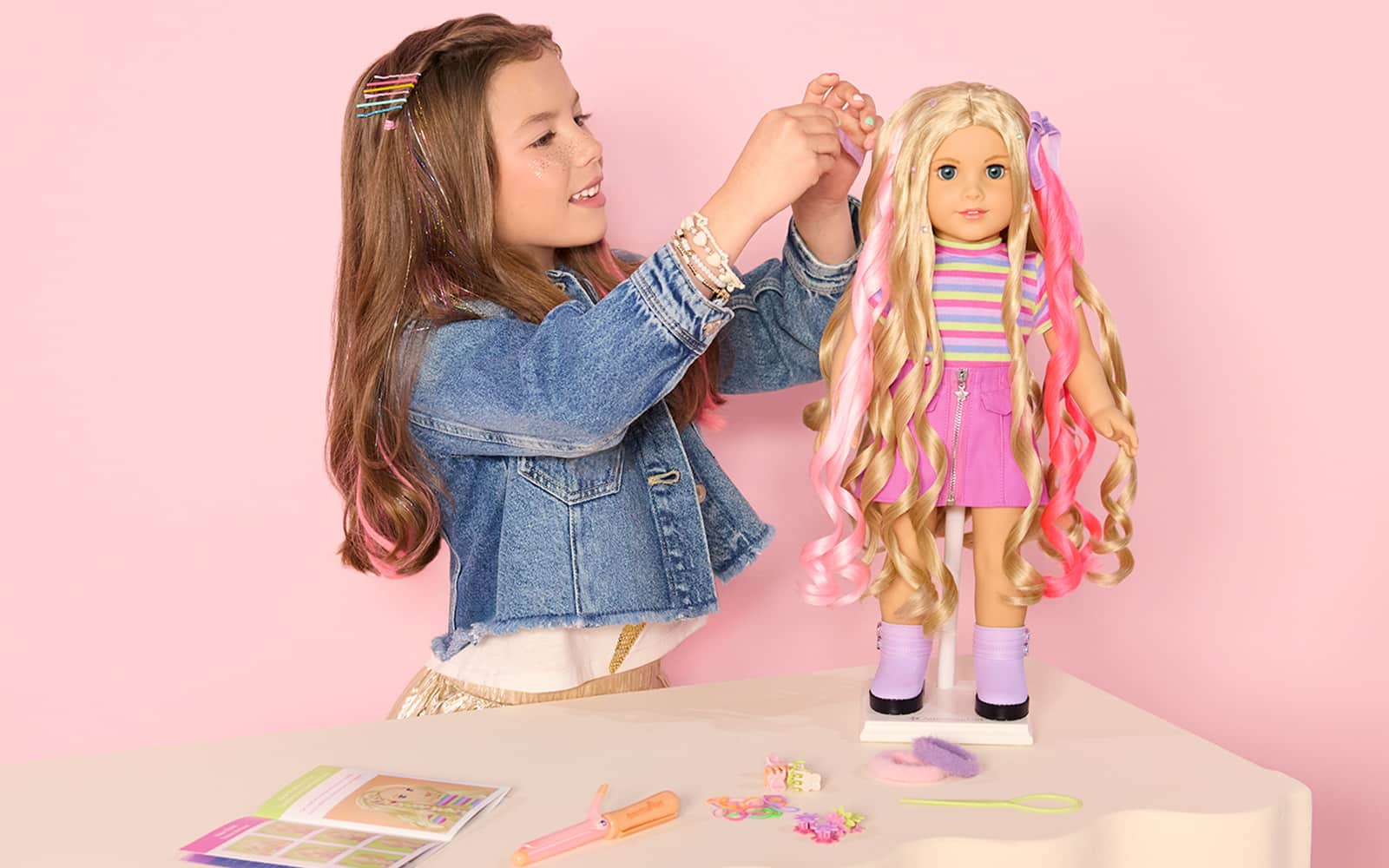
Independent play doesn't always happen automatically. A few simple steps can help children become more comfortable playing on their own.
1. Start by playing together
Sometimes the best way to encourage independent play is to begin with a little togetherness. Spend a few minutes playing with your girl before encouraging her to continue on her own. You might help her get a doll ready for the day, then invite her to decide what happens next.
Try saying, "Your doll is all dressed! I wonder where she'll go today?"
Once she's engaged, gradually step away while remaining nearby. The goal isn't to stop playing together, but to help her discover that she can enjoy playtime independently, too.
2. Create a space that's hers to explore
An inviting play space doesn't need to be large or elaborate. A cozy corner with a few favorite toys can be enough. Choose a safe, accessible area where she can reach her toys and make choices without needing constant assistance.
Keep dolls, clothing, and age-appropriate accessories within easy reach. A small basket of doll clothes or a designated spot for a favorite doll can make it easier for children to begin playing whenever inspiration strikes.
And remember that less can sometimes be more. Too many toys can feel overwhelming, while a smaller selection gives children room to focus and explore.
3. Choose toys with endless possibilities
Some toys have a specific purpose or a single way to play. Others leave the possibilities up to the child. Dolls are wonderful examples of open-ended toys because they can take on different roles in countless stories.
4. Let her take the lead
It's tempting to offer suggestions when children seem unsure what to do next. But sometimes, the most helpful thing a parent can do is wait.
Maybe your child wants to dress her doll in pajamas for a trip to the grocery store. Or perhaps she's decided that her doll's pet is actually the teacher at school. Rather than correcting the story or suggesting something more realistic, let her imagination lead.
When children know their ideas matter, they're more likely to feel confident exploring them.
5. Make independent play part of the routine
Like many childhood skills, independent play develops with practice.
Start with short periods of play and gradually increase the time as your child becomes more comfortable. Younger children may only play independently for a few minutes at first, and that's perfectly normal. And don't worry if some days are more successful than others.
Learning to play independently is a gradual process, not a milestone that needs to happen on a particular schedule.
6. Give boredom a chance
"I'm bored!"
Those two words can make any parent feel like they need to react. But a little boredom isn't necessarily a bad thing. Without an immediate solution from an adult, children have an opportunity to come up with ideas of their own.
A doll that's been sitting on the shelf might suddenly need a new hairstyle. A collection of accessories might inspire an imaginary scene. Or a familiar story might take an unexpected turn. Instead of providing an activity right away, try asking, "What do you think you could create?"
You might be surprised by what happens next.
Independent play supports child development by giving opportunities to make decisions, solve problems, and express their creativity. It can also help build confidence and persistence as girls learn to explore and overcome small challenges without constant adult direction or supervision.
Dolls encourage independent play by allowing girls to build stories and characters. Through activities like dressing dolls, pretending to care for them, or inventing adventures, girls can explore their preferences. Because dolls can be used in many ways, they offer opportunities for imaginative play that evolve as girls grow.
Some of the best educational toys for independent play are open-ended toys that girls can explore in multiple ways. Dolls and accessories are perfect for self-directed discovery. Choose toys that are appropriate for your girl’s age and abilities, with enough flexibility to keep play interesting as their skills develop.


©2026 American Girl. American Girl and associated trademarks are owned by American Girl, LLC.


