
Illustrated image of Felicity smiling with house in background

Kaya. 1764

Meet Felicity Merriman!

Teal floral decorative element

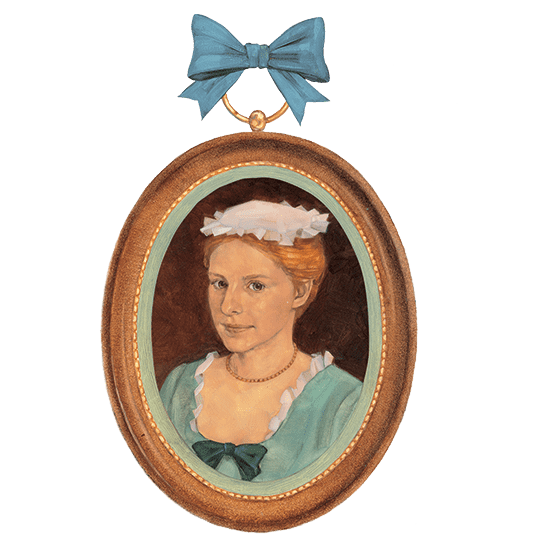
Felicity is a spunky, spritely girl growing up in colonial Virginia who would rather ride horses than practice her stitchery. As talk of revolution rumbles around her, she learns to find courage and stand firm in her beliefs.
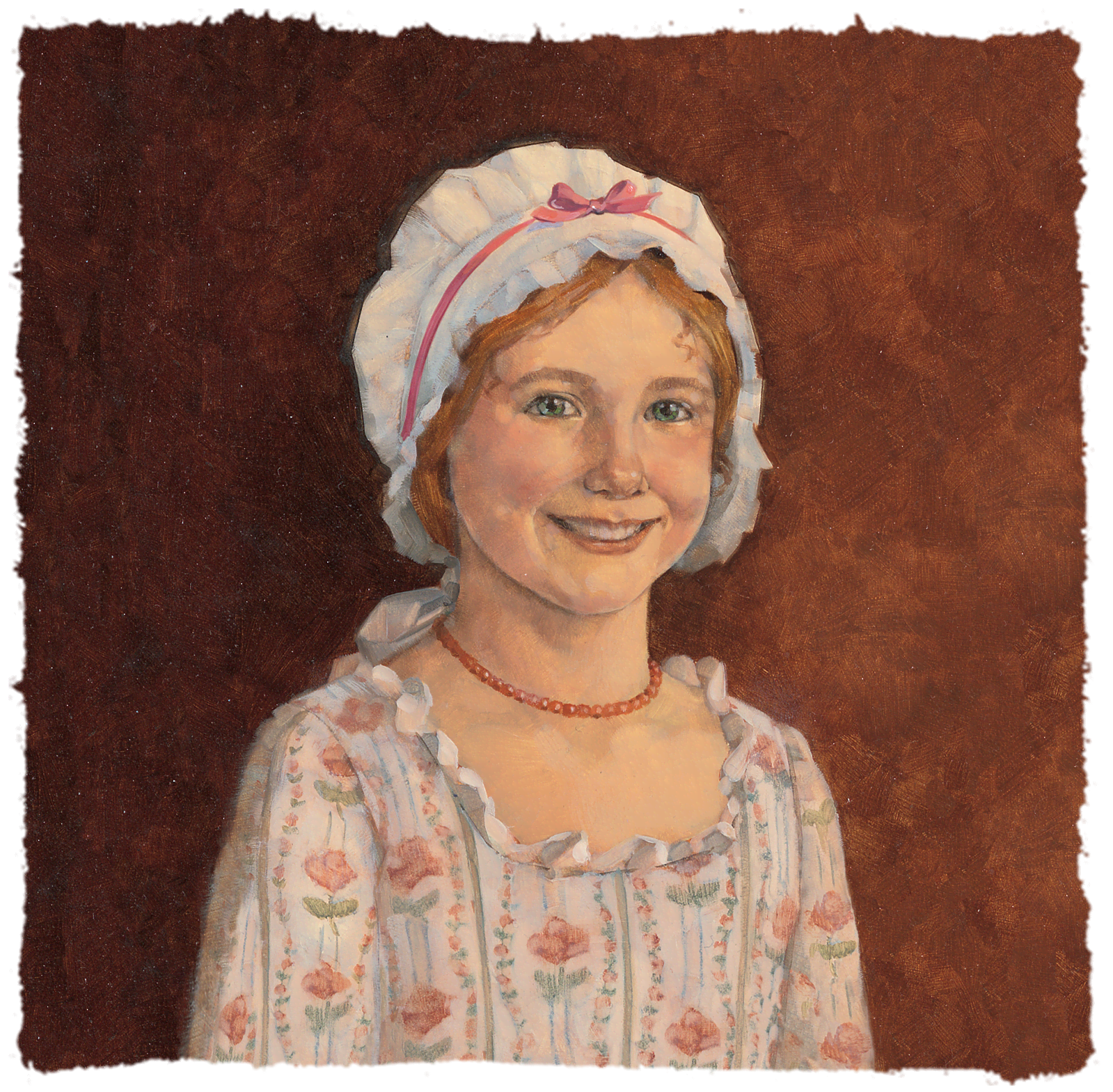

 

Felicity


Felicity’s story

Teal floral decorative element


Nine-year-old Felicity is growing up in the American colonies in 1774, just before the Revolutionary War. Patriots like her father want freedom from England, while her best friend Elizabeth’s family remain loyal to King George III. Felicity’s father even refuses to sell tea in his shop or to drink it at home in defiance of unfair taxes.

During an etiquette lesson at Miss Manderly’s tea table, Felicity’s beliefs are tested. But she knows just what to do: she turns her teacup upside down, places her spoon across it, and politely states, “Thank you, I shall take no tea.” Felicity proves that even through small actions girls can take a stand and make a difference. By the end of her story, she learns about responsibility—to her family, her friends, her new country, and herself—and finds that people can disagree with those they love, and love people with whom they disagree.

Felicity


Felicity's story

Teal floral decorative element


Nine-year-old Felicity is growing up in the American colonies in 1774, just before the Revolutionary War. Patriots like her father want freedom from England, while her best friend Elizabeth’s family remain loyal to King George III. Felicity’s father even refuses to sell tea in his shop or to drink it at home in defiance of unfair taxes.

During an etiquette lesson at Miss Manderly’s tea table, Felicity’s beliefs are tested. But she knows just what to do: she turns her teacup upside down, places her spoon across it, and politely states, “Thank you, I shall take no tea.” Felicity proves that even through small actions girls can take a stand and make a difference. By the end of her story, she learns about responsibility—to her family, her friends, her new country, and herself—and finds that people can disagree with those they love, and love people with whom they disagree.


Family & friends

Teal floral geometric decorative element

Family & friends

Teal floral geometric decorative element

Mrs. Martha Merriman


Mrs. Martha Merriman

Felicity’s mother, Martha, takes pride in her work as a homemaker. She gently guides Felicity to the generous view that caring for family has value, even in doing chores that are unseen.
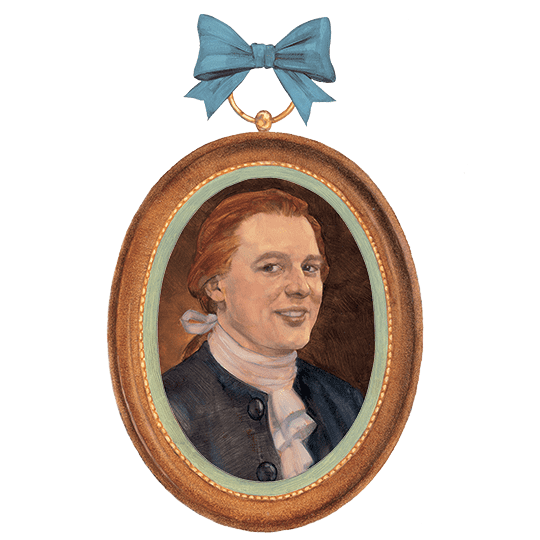
Mr. Edward Merriman


Mr. Edward Merriman

Felicity’s father owns a popular general store in Williamsburg. As a Patriot, he takes a stand against unfair British taxes by refusing to sell tea in his shop—a bold and rebellious move.
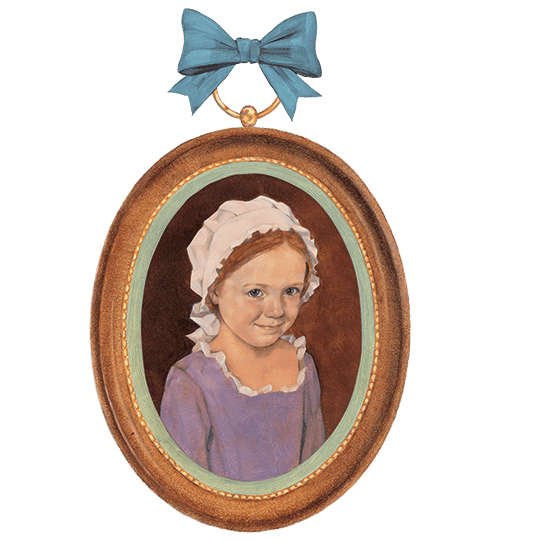
Nan


Nan

Felicity’s sweet and sensible younger sister Nan is six years old and wants to be a proper lady. She’s fond of fancy gowns and is a careful seamstress.
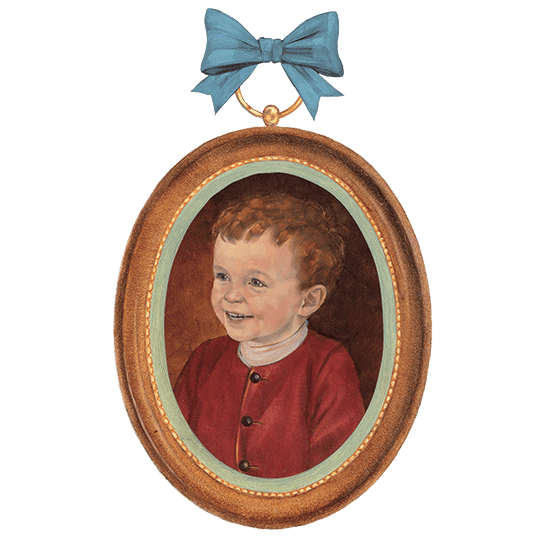
William


William

Felicity’s younger brother William is almost three years old. He loves mischief and mud puddles.
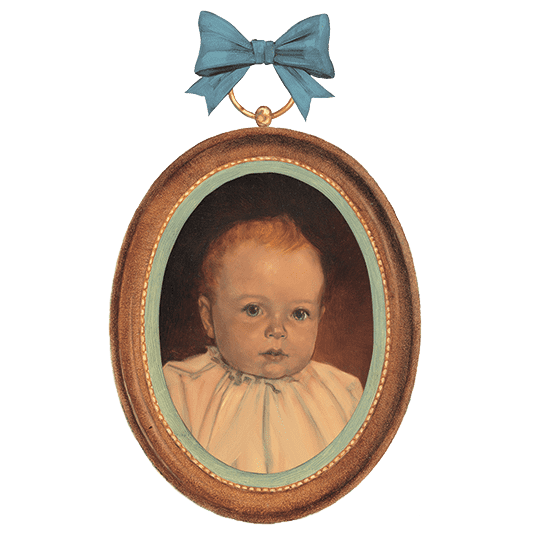
Polly


Polly

Felicity’s newest sister Polly is a rosy baby with sky-blue eyes and hair as orange as carrots. She was born during the winter of 1775.
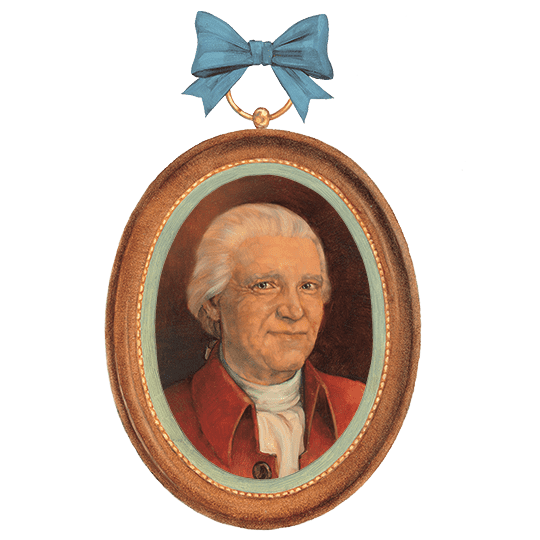
Grandfather


Grandfather

On Felicity’s tenth birthday, Grandfather adds a stubborn weed from her garden to a vase of flowers, letting Felicity know he sees her determination and strength.
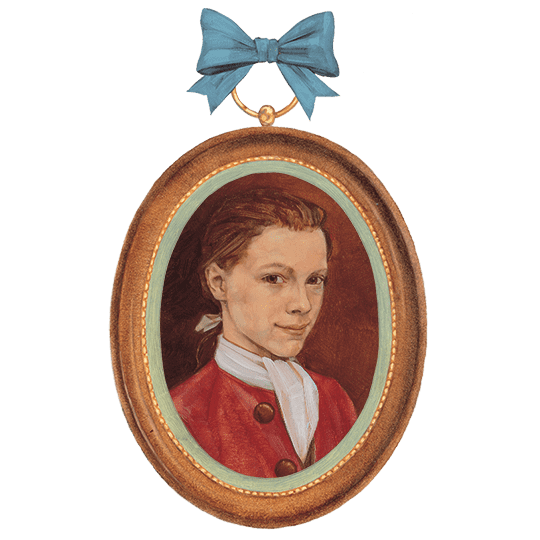
Benjamin Davidson


Benjamin Davidson

Felicity’s friend Ben is a quiet apprentice living with the Merrimans while learning to work in Father’s store. Ben supports the Patriot cause, and tries to run away to join their army.
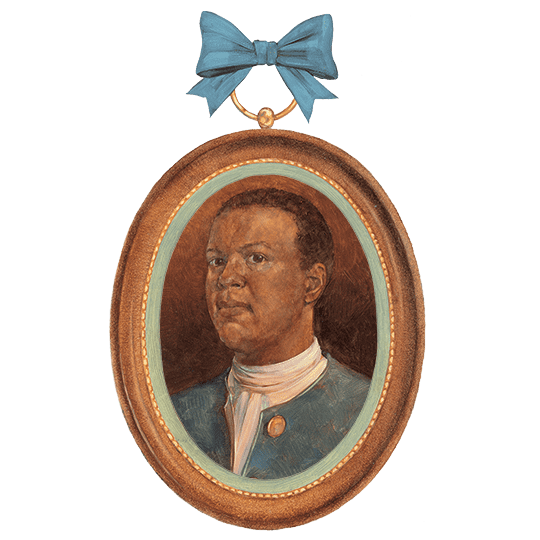
Marcus


Marcus

Marcus, an enslaved person, works for Mr. Merriman both at the general store and at home.
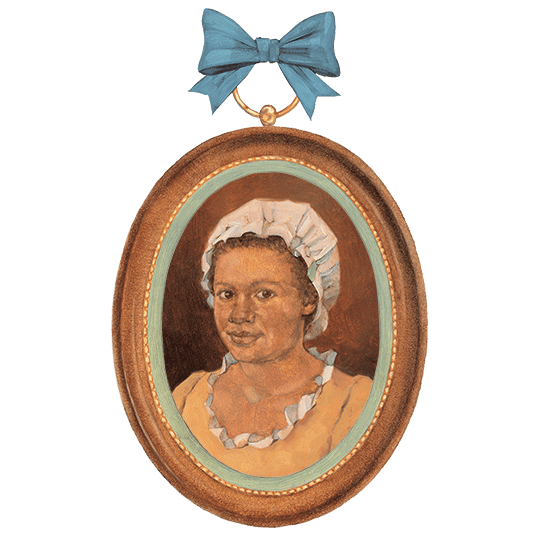
Rose


Rose

Rose, an enslaved person, works as the cook and maidservant at the Merrimans’ house.
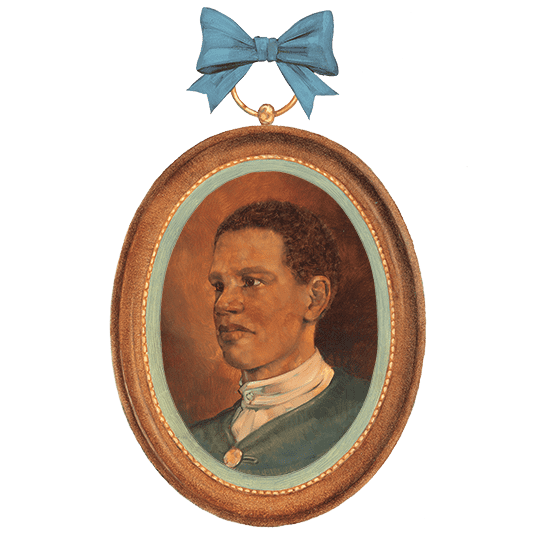
Isaac Wallace


Isaac Wallace

Isaac is a free Black man and a drummer in the colonists’ militia. Although he works for pay, he does not have the same rights as white colonists.
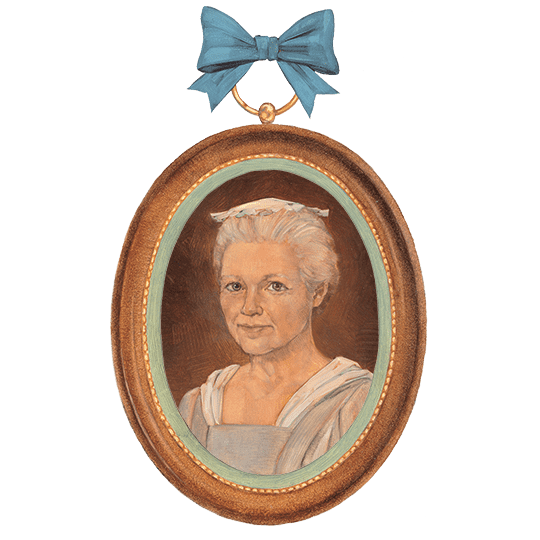
Miss Manderly


Miss Manderly

A gracious gentlewoman who teaches the girls everything they need to know to take their place in polite society. Lessons include dancing, penmanship, stitchery, and the proper way to serve tea.
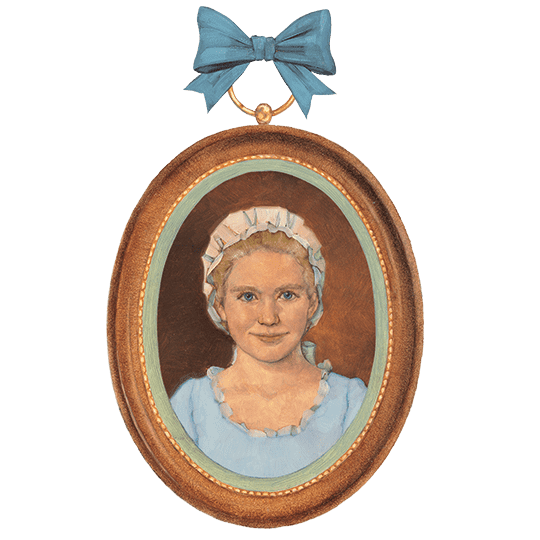
Elizabeth Cole


Elizabeth Cole

Originally from England, Felicity’s best friend Elizabeth is new to the colonies. She loves horses and is independent-minded. Although her family are Loyalists to the king, she and Felicity remain faithful friends.
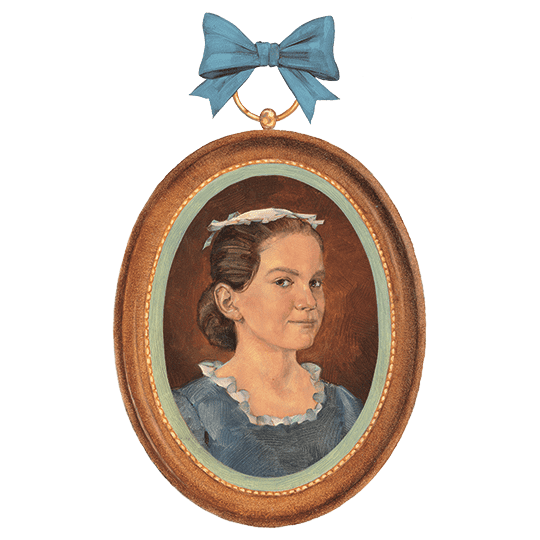
Annabelle Cole


Annabelle Cole

Elizabeth’s snobby older sister Annabelle takes lessons at Miss Manderly’s with the younger girls.
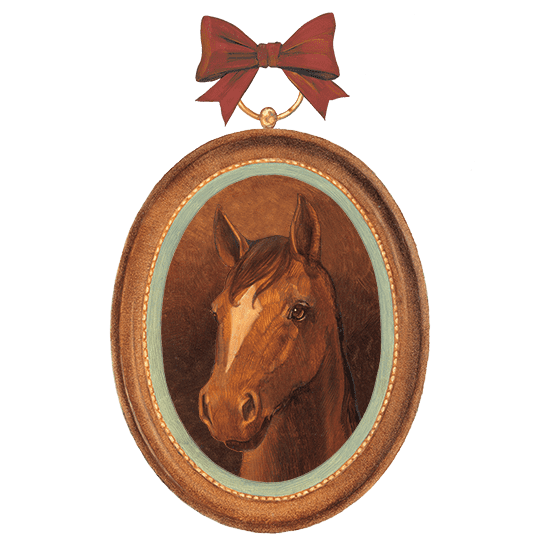
Penny horse


Penny

Penny is the spirited horse Felicity loves. She has a shiny reddish-gold coat as bright as a new copper penny.
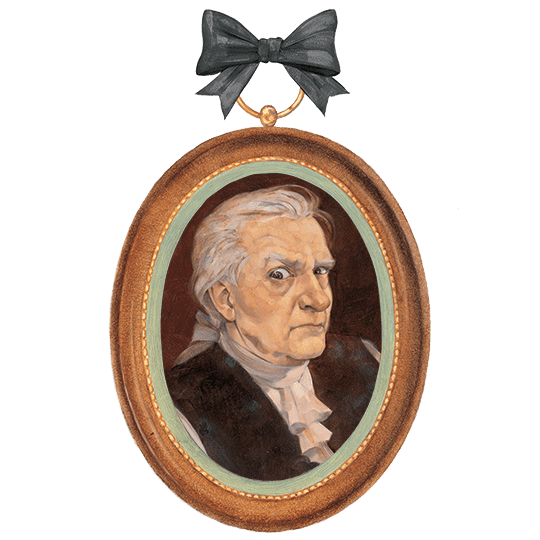
Jiggy Nye


Jiggy Nye

A tanner and cold-hearted scoundrel who mistreats his horse, Penny.
Mrs. Martha Merriman


Mrs. Martha Merriman

Felicity’s mother, Martha, takes pride in her work as a homemaker. She gently guides Felicity to the generous view that caring for family has value, even in doing chores that are unseen.

Mr. Edward Merriman


Mr. Edward Merriman

Felicity’s father owns a popular general store in Williamsburg. As a Patriot, he takes a stand against unfair British taxes by refusing to sell tea in his shop—a bold and rebellious move.

Nan


Nan

Felicity’s sweet and sensible younger sister Nan is six years old and wants to be a proper lady. She’s fond of fancy gowns and is a careful seamstress.

William


William

Felicity’s younger brother William is almost three years old. He loves mischief and mud puddles.

Polly


Polly

Felicity’s newest sister Polly is a rosy baby with sky-blue eyes and hair as orange as carrots. She was born during the winter of 1775.

Grandfather


Grandfather

On Felicity’s tenth birthday, Grandfather adds a stubborn weed from her garden to a vase of flowers, letting Felicity know he sees her determination and strength.

Benjamin Davidson


Benjamin Davidson

Felicity’s friend Ben is a quiet apprentice living with the Merrimans while learning to work in Father’s store. Ben supports the Patriot cause, and tries to run away to join their army.

Marcus


Marcus

Marcus, an enslaved person, works for Mr. Merriman both at the general store and at home.

Rose


Rose

Rose, an enslaved person, works as the cook and maidservant at the Merrimans’ house.

Isaac Wallace


Isaac Wallace

Isaac is a free Black man and a drummer in the colonists’ militia. Although he works for pay, he does not have the same rights as white colonists.

Miss Manderly


Miss Manderly

A gracious gentlewoman who teaches the girls everything they need to know to take their place in polite society. Lessons include dancing, penmanship, stitchery, and the proper way to serve tea.

Elizabeth Cole


Elizabeth Cole

Originally from England, Felicity’s best friend Elizabeth is new to the colonies. She loves horses and is independent-minded. Although her family are Loyalists to the king, she and Felicity remain faithful friends.

Annabelle Cole


Annabelle Cole

Elizabeth’s snobby older sister Annabelle takes lessons at Miss Manderly’s with the younger girls.

Penny


Penny

Penny is the spirited horse Felicity loves. She has a shiny reddish-gold coat as bright as a new copper penny.

Jiggy Nye


Jiggy Nye

A tanner and cold-hearted scoundrel who mistreats his horse, Penny.


Story brought to life

Story brought to life

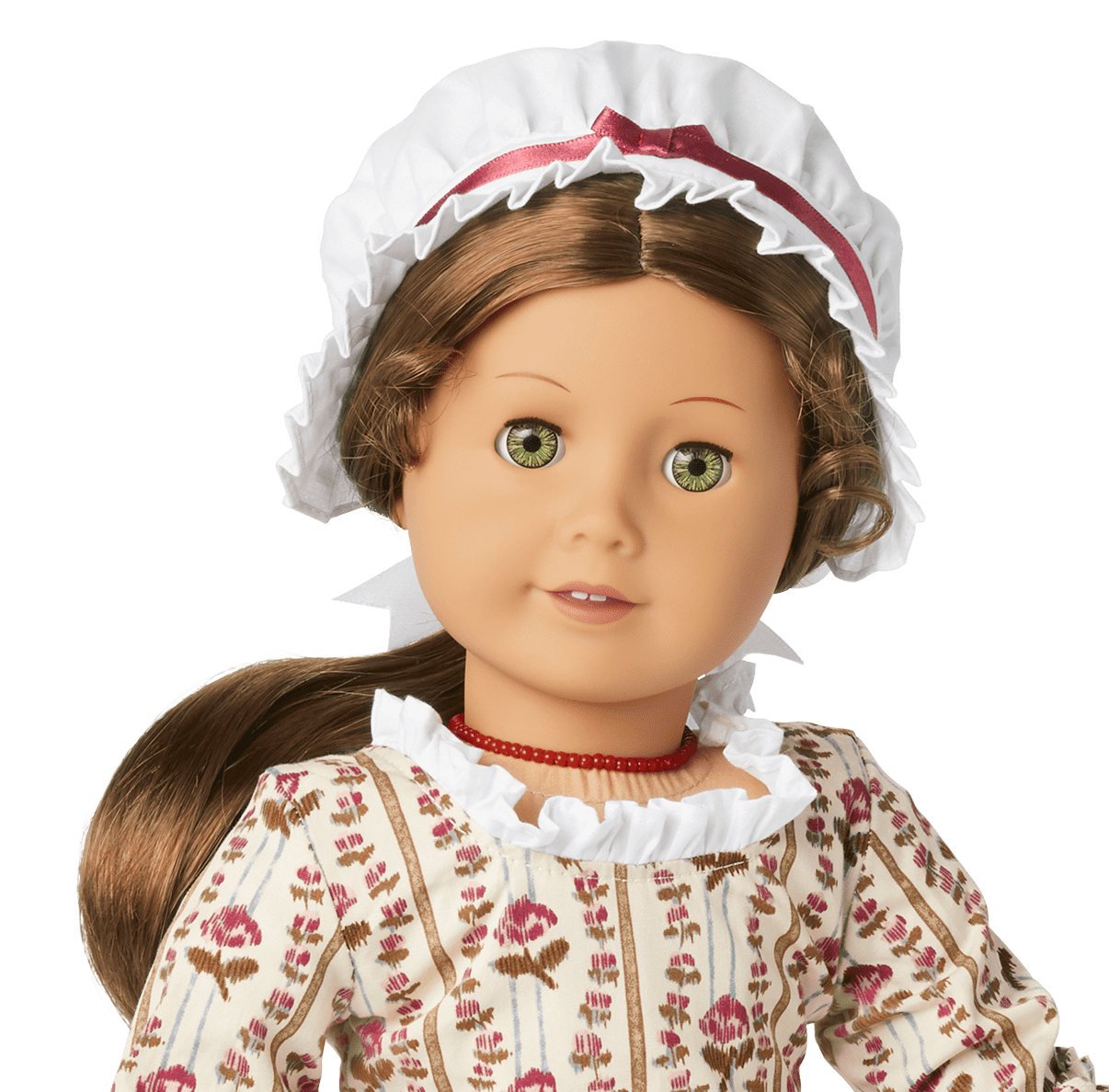
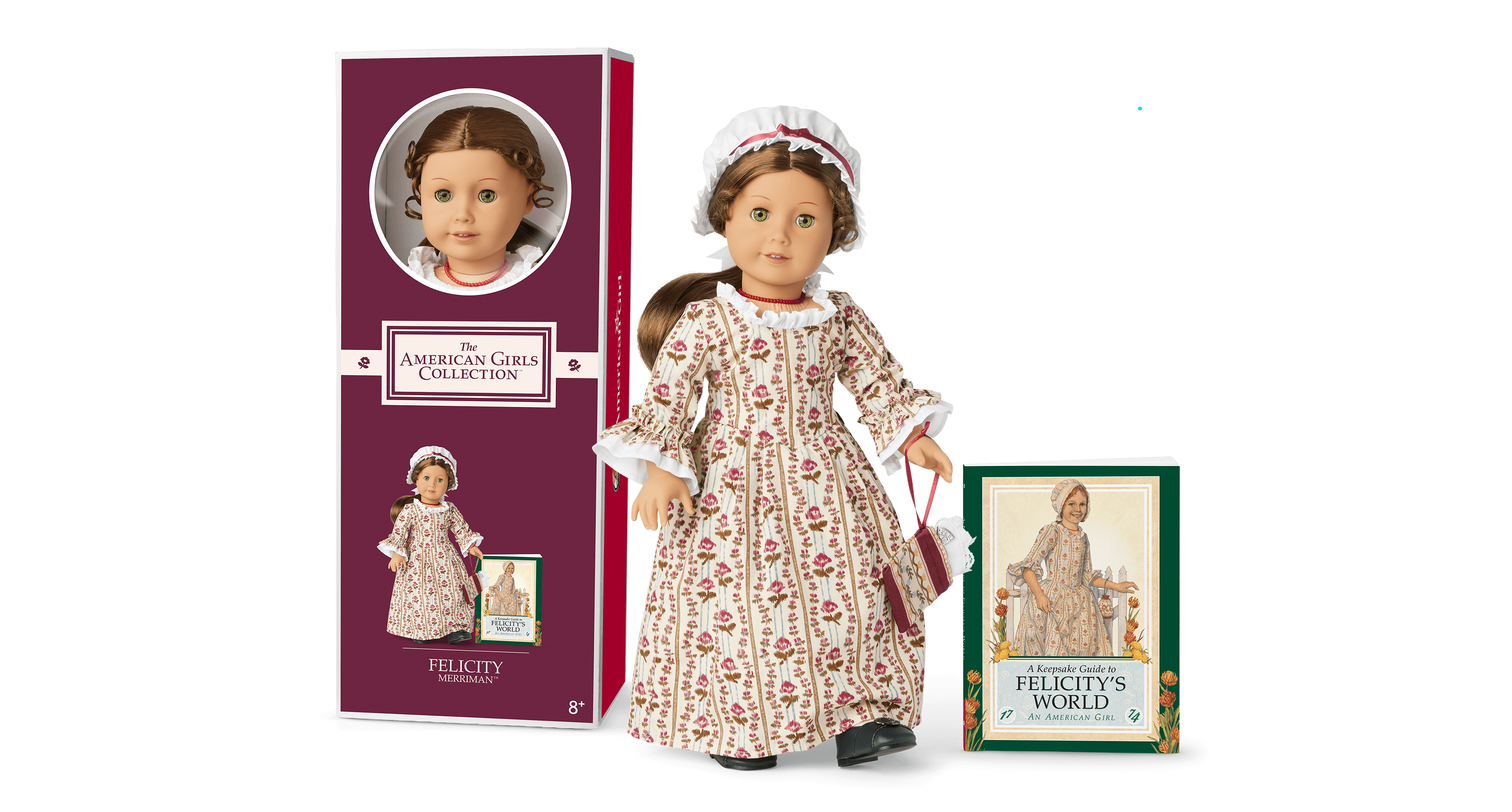
Felicity Merriman doll


Felicity Merriman™ 18-inch Doll, Book & Accessories

Felicity’s dress is reproduced from a 1770s print, with pink and plum roses strung on ribbons of cornflower blue.

Shop Felicity Merriman™ 18-inch Doll,
Book & Accessories
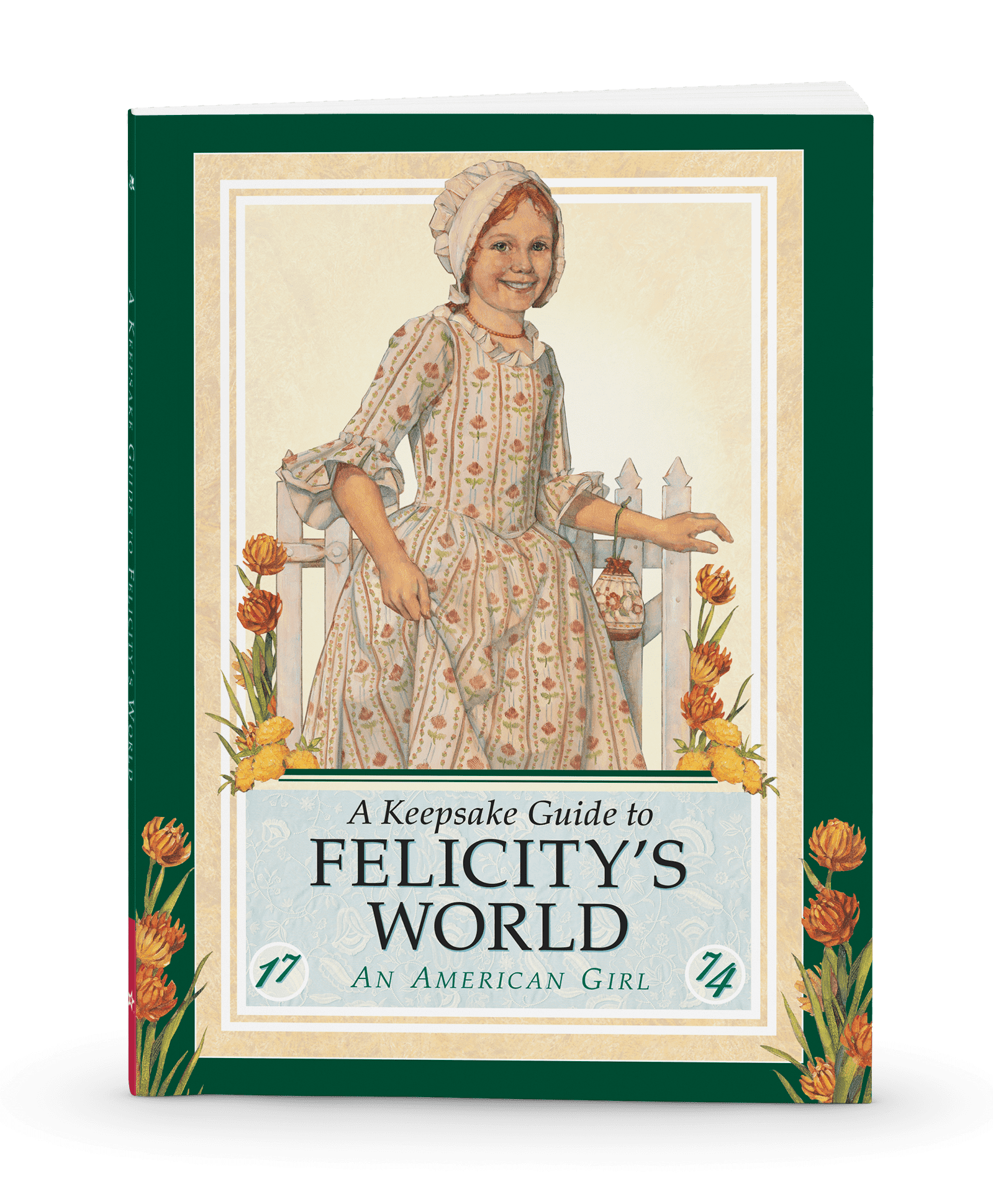
A Keepsake Guide to Felicity’s World

Welcome to the world of Felicity Merriman, a nine-year-old girl growing up in the American colonies in 1774. This keepsake guide shows some of Felicity’s first products that were introduced in 1991. You’ll also find early product and dress designs, illustration sketches, and other behind-the-scenes peeks into the making of Felicity’s world that show you what it might have been like to live in her time.


Shop Felicity Merriman™ 18-inch Doll, Book & Accessories

This book is bundled with purchase of the Felicity doll and is not sold separately.


A Keepsake Guide to Felicity’s World

Welcome to the world of Felicity Merriman, a nine-year-old girl growing up in the American colonies in 1774. This keepsake guide shows some of Felicity’s first products that were introduced in 1991. You’ll also find early product and dress designs, illustration sketches, and other behind-the-scenes peeks into the making of Felicity’s world that show you what it might have been like to live in her time.


Shop Felicity Merriman™ 18-inch Doll, Book & Accessories

This book is bundled with purchase of the Felicity doll and is not sold separately.

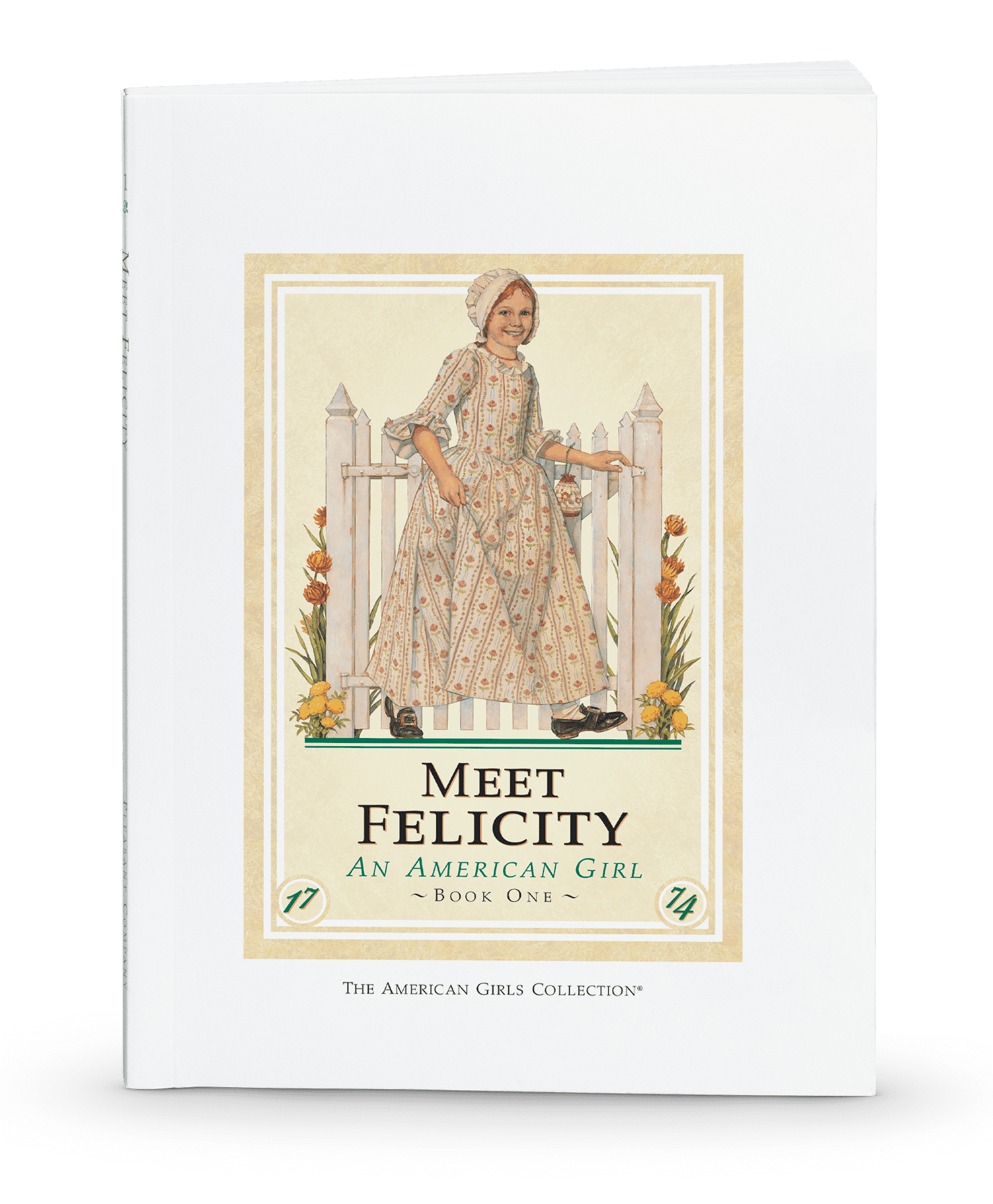
Meet Felicity

Meet Felicity Merriman, a spirited nine-year-old girl who lives in Williamsburg, Virginia, in 1774, just before the Revolutionary War. She’s impatient with “sitting-down kinds of things,” like stitchery or writing. She’d rather ride horses! That’s why Felicity is so excited to hear about a new horse in town. She falls in love with the copper-colored mare and names her Penny. But Penny is owned by a cruel man who beats his animals. When Penny’s life is in danger, Felicity knows she must help.


This book is not currently for sale.


Meet Felicity

Meet Felicity Merriman, a spirited nine-year-old girl who lives in Williamsburg, Virginia, in 1774, just before the Revolutionary War. She’s impatient with “sitting-down kinds of things,” like stitchery or writing. She’d rather ride horses! That’s why Felicity is so excited to hear about a new horse in town. She falls in love with the copper-colored mare and names her Penny. But Penny is owned by a cruel man who beats his animals. When Penny’s life is in danger, Felicity knows she must help.


This book is not currently for sale.

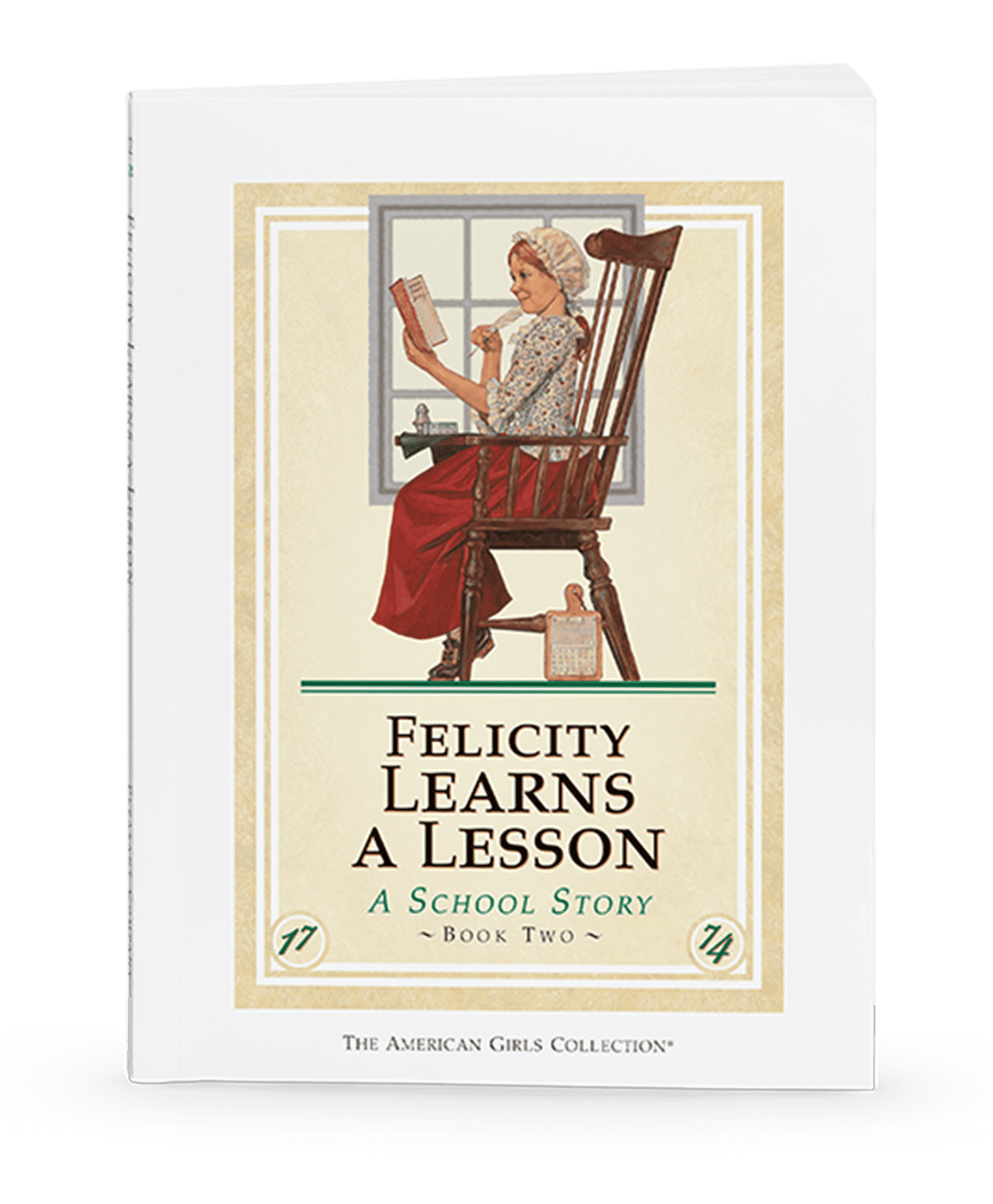
Felicity Learns a Lesson

Felicity is sent to Miss Manderly’s house to learn to be a polite gentlewoman. She practices elegant penmanship, fancy stitchery, formal dancing, and the proper way to serve tea. Two sisters from England join the lessons, and one of them, Elizabeth, becomes Felicity’s best friend. Learning to serve tea is great fun, until Felicity’s father decides that the king’s tax on tea is unfair, and he refuses to sell tea in his store or to drink it in the Merriman household. How can Felicity continue the tea lessons she loves and still be loyal to her father?


This book is not currently for sale.


Felicity Learns a Lesson

Felicity is sent to Miss Manderly’s house to learn to be a polite gentlewoman. She practices elegant penmanship, fancy stitchery, formal dancing, and the proper way to serve tea. Two sisters from England join the lessons, and one of them, Elizabeth, becomes Felicity’s best friend. Learning to serve tea is great fun, until Felicity’s father decides that the king’s tax on tea is unfair, and he refuses to sell tea in his store or to drink it in the Merriman household. How can Felicity continue the tea lessons she loves and still be loyal to her father?


This book is not currently for sale.

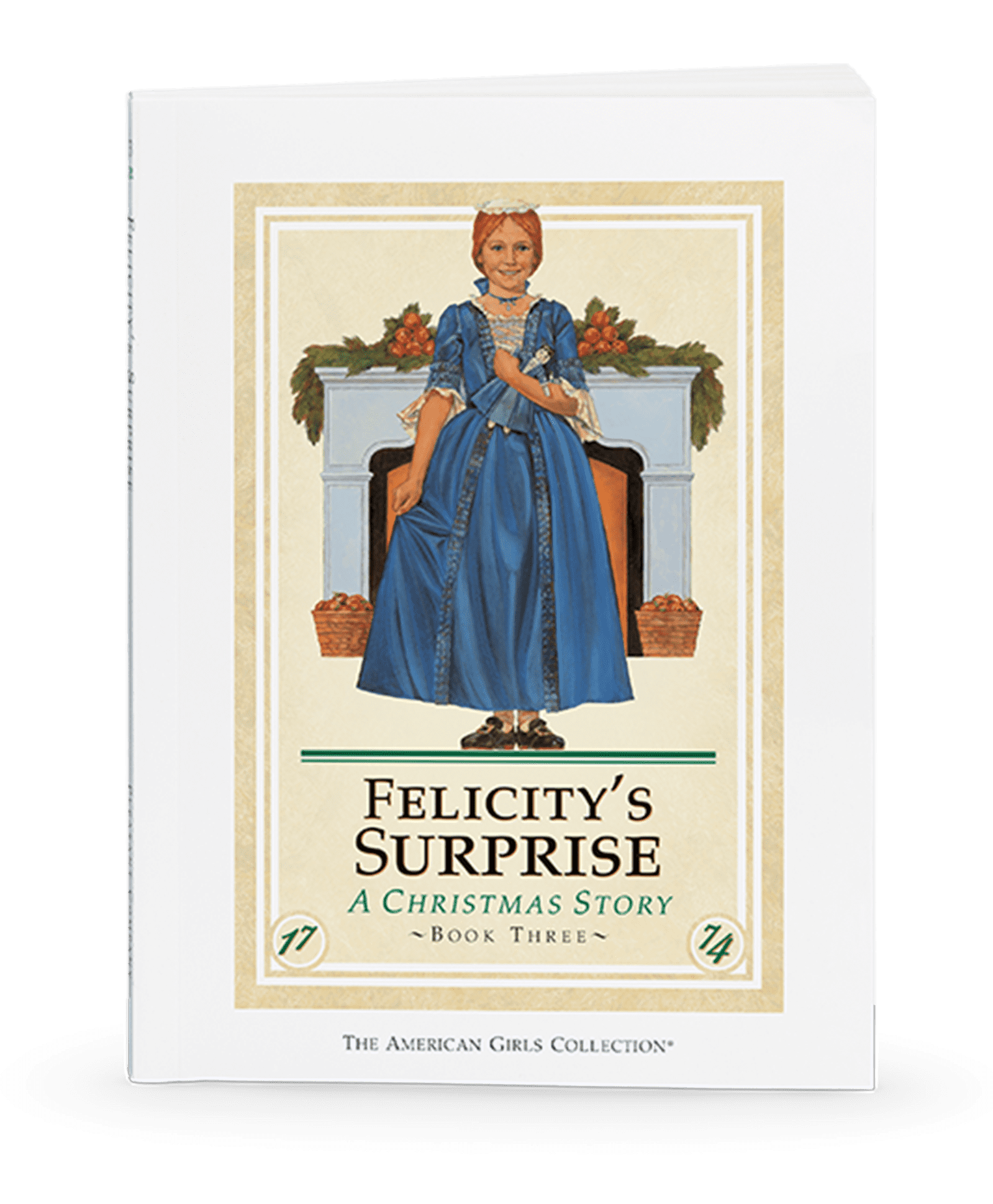
Felicity’s Surprise

Felicity is invited to a dancing lesson at the elegant Governor’s Palace, the most wonderful honor she can imagine. Mother promises to make a beautiful new gown for her, just like the one shown on the fashion doll at the milliner’s shop. As the splendid event draws near, Mother becomes dreadfully ill. Felicity spends all her days caring for her, sadly accepting that there will be no new gown and no chance to go to the Palace. No chance, that is, until a glorious surprise reminds her that Christmastide is a time when hopes and dreams do come true.


This book is not currently for sale.


Felicity’s Surprise

Felicity is invited to a dancing lesson at the elegant Governor’s Palace, the most wonderful honor she can imagine. Mother promises to make a beautiful new gown for her, just like the one shown on the fashion doll at the milliner’s shop. As the splendid event draws near, Mother becomes dreadfully ill. Felicity spends all her days caring for her, sadly accepting that there will be no new gown and no chance to go to the Palace. No chance, that is, until a glorious surprise reminds her that Christmastide is a time when hopes and dreams do come true.


This book is not currently for sale.

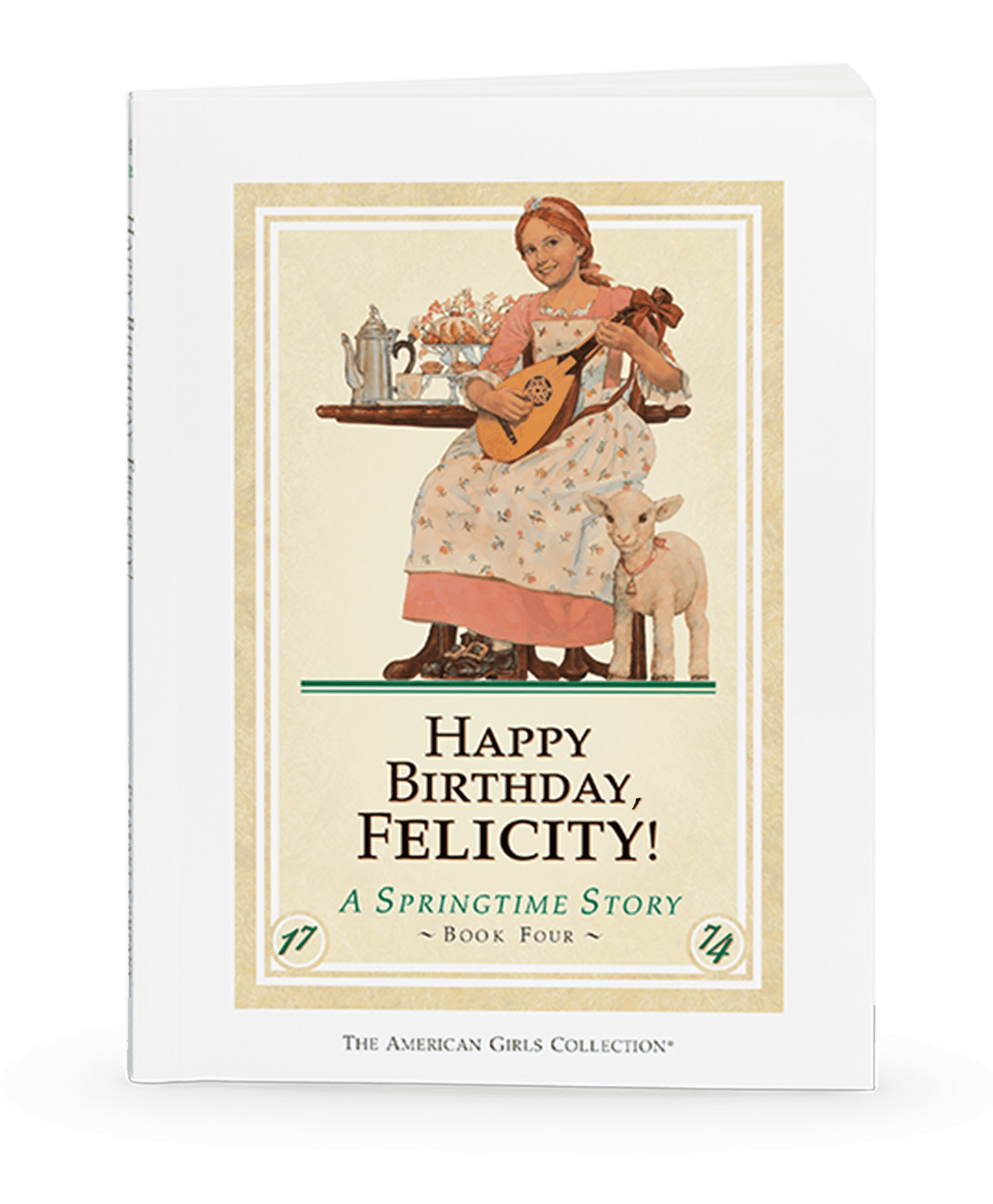
Happy Birthday, Felicity!

Spring brings Felicity’s tenth birthday and a visit from Grandfather. He arrives with a precious gift for Felicity—a guitar that belonged to her grandmother. Felicity is so enchanted with the guitar that she disobeys her mother by taking it out of the house to show her friend Elizabeth and Elizabeth’s sister, Annabelle. Her parents and grandfather are so angry when they learn what she’s done, they refuse to believe a message Felicity has overheard that means danger for the colonists. Felicity risks more when she decides she must alert the colonists herself!


This book is not currently for sale.


Happy Birthday, Felicity!

Spring brings Felicity’s tenth birthday and a visit from Grandfather. He arrives with a precious gift for Felicity—a guitar that belonged to her grandmother. Felicity is so enchanted with the guitar that she disobeys her mother by taking it out of the house to show her friend Elizabeth and Elizabeth’s sister, Annabelle. Her parents and grandfather are so angry when they learn what she’s done, they refuse to believe a message Felicity has overheard that means danger for the colonists. Felicity risks more when she decides she must alert the colonists herself!


This book is not currently for sale.

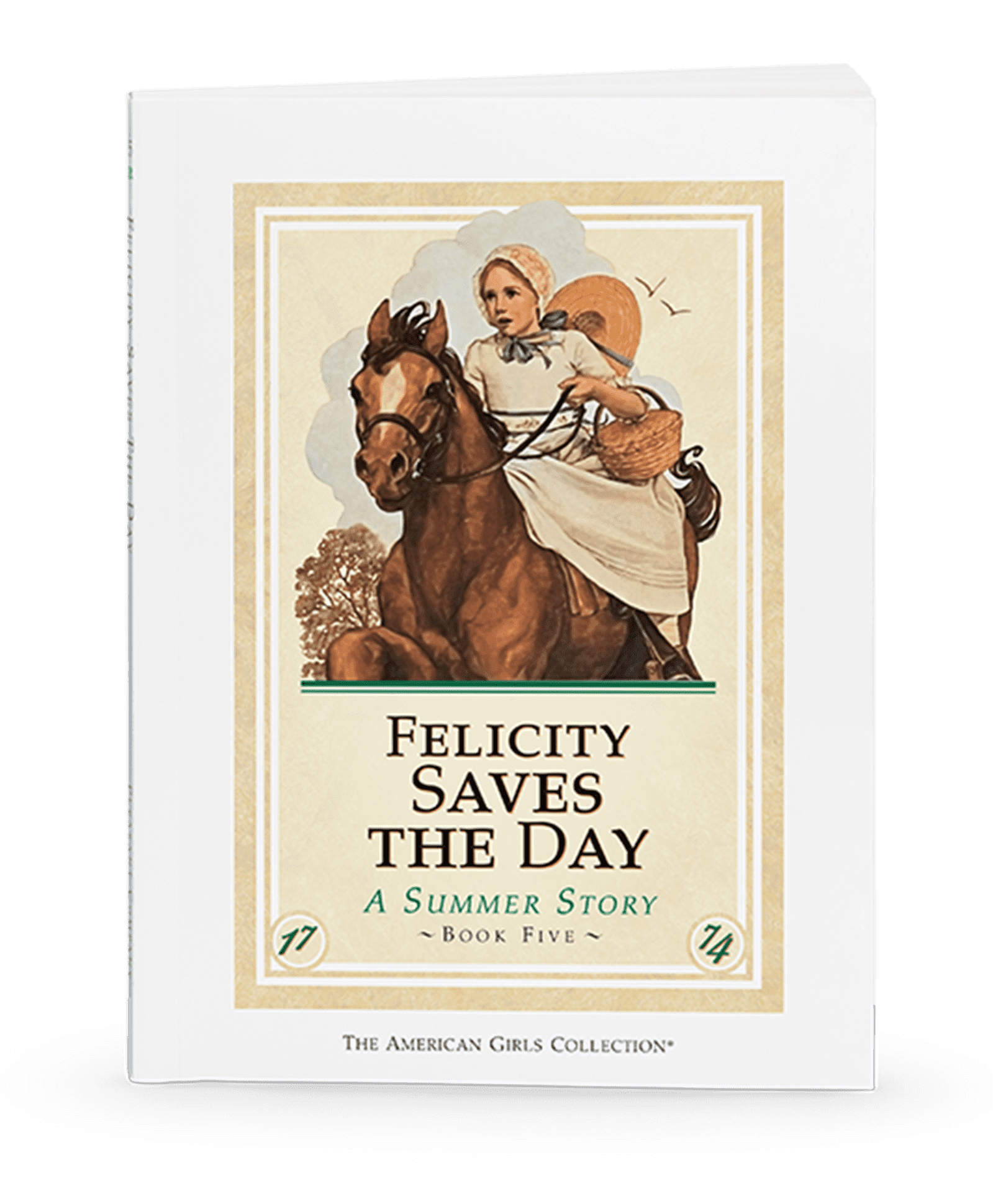
Felicity Saves the Day

Felicity loves the summer days when she can be outdoors from sunrise to sunset—riding horses with Grandfather, playing with Nan and William, and exploring the woods, the fields, and the river’s shore. One day Felicity finds a secret note. It’s from Ben, her father’s apprentice, and is a cry for help. Ben has broken his apprenticeship agreement with Mr. Merriman and has run away to join George Washington’s army. Felicity plunges into a dangerous adventure when she goes to help Ben. She must use all the strength, courage, and wisdom she has to try to save the day.


This book is not currently for sale.


Felicity Saves the Day

Felicity loves the summer days when she can be outdoors from sunrise to sunset—riding horses with Grandfather, playing with Nan and William, and exploring the woods, the fields, and the river’s shore. One day Felicity finds a secret note. It’s from Ben, her father’s apprentice, and is a cry for help. Ben has broken his apprenticeship agreement with Mr. Merriman and has run away to join George Washington’s army. Felicity plunges into a dangerous adventure when she goes to help Ben. She must use all the strength, courage, and wisdom she has to try to save the day.


This book is not currently for sale.

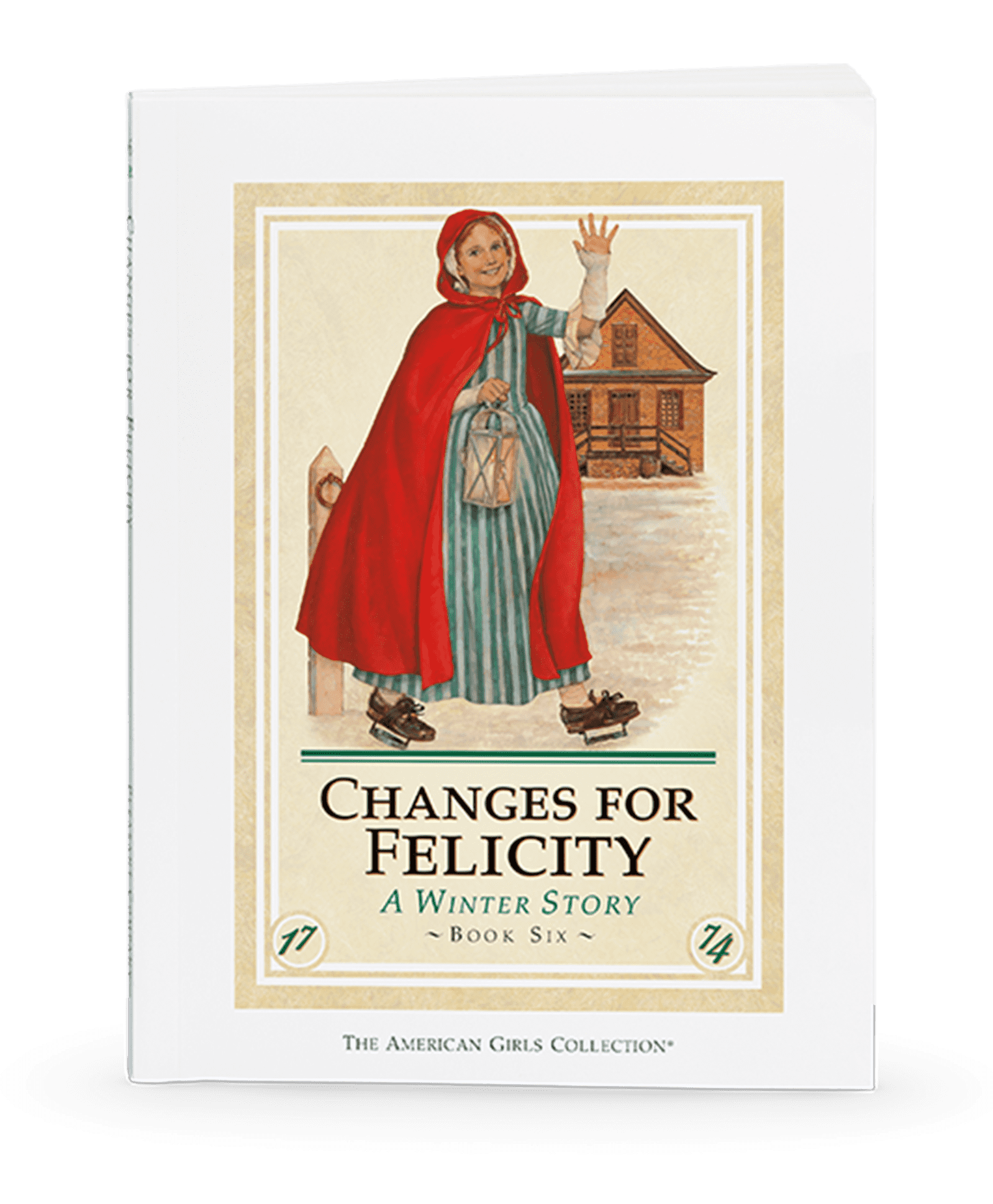
Changes for Felicity

For Felicity, 1776 starts off with good news. Grandfather tells her that her beloved horse, Penny, is going to have a foal. Felicity has one worry—Jiggy Nye. He has been cruel to Penny in the past. Will he be cruel to her again when he gets out of jail? Soon Felicity has other worries, too. The Merrimans believe in independence for the colonies. But the family of Elizabeth, Felicity’s best friend, believe in loyalty to the king. Suddenly, Elizabeth’s father is jailed for being a Loyalist. Will the friendship between Felicity and Elizabeth survive the many changes—both happy and sad—that both girls face?


This book is not currently for sale.


Changes for Felicity

For Felicity, 1776 starts off with good news. Grandfather tells her that her beloved horse, Penny, is going to have a foal. Felicity has one worry—Jiggy Nye. He has been cruel to Penny in the past. Will he be cruel to her again when he gets out of jail? Soon Felicity has other worries, too. The Merrimans believe in independence for the colonies. But the family of Elizabeth, Felicity’s best friend, believe in loyalty to the king. Suddenly, Elizabeth’s father is jailed for being a Loyalist. Will the friendship between Felicity and Elizabeth survive the many changes—both happy and sad—that both girls face?


This book is not currently for sale.


Author & illustrator

Teal floral decorative element

Author & illustrator

Teal floral decorative element

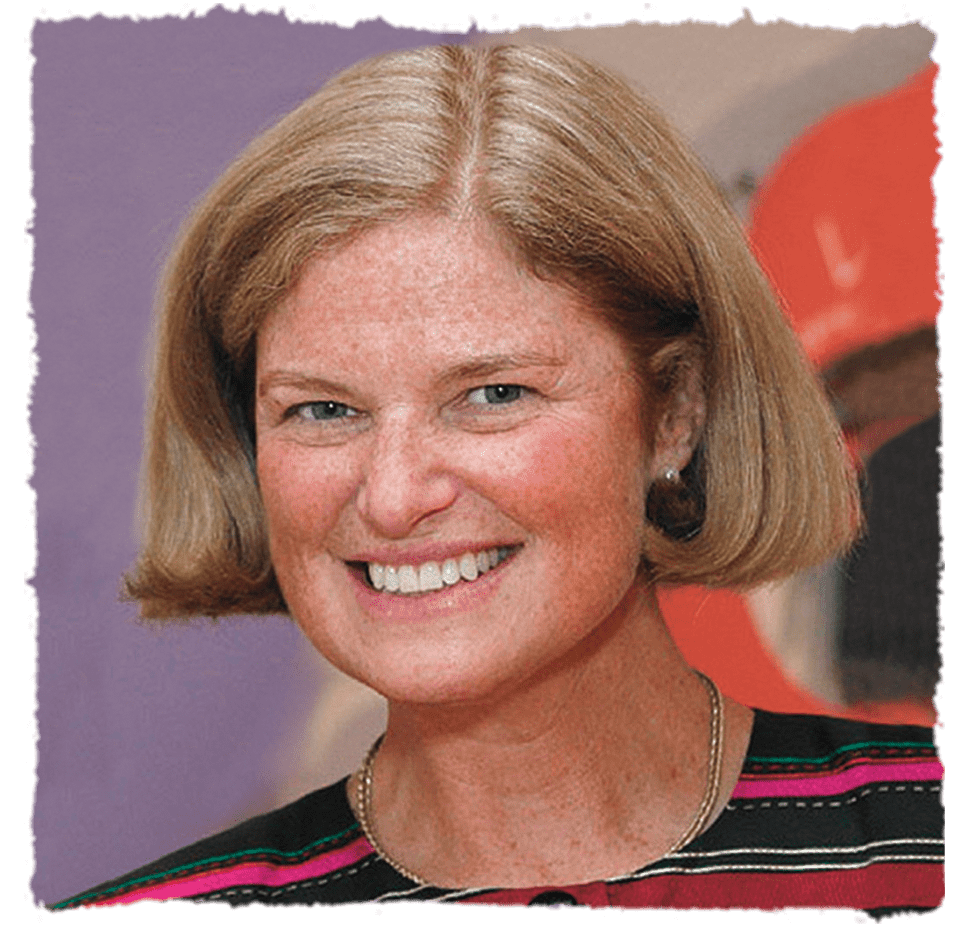
American Girl author, Valerie Tripp


Author Valerie Tripp

Valerie Tripp says that she became a writer because of the kind of person she is. She says she’s curious, and writing requires you to be interested in everything. Ms. Tripp says talking is her favorite sport, and writing is a way of talking on paper! She’s a daydreamer, which helps her come up with her ideas. And she loves words. She even loves the struggle to come up with just the right words as she writes and rewrites. Ms. Tripp lives in Maryland with her husband.

Illustrator Dan Andreasen

Dan Andreasen remembers that he always wanted to be an artist. As a child, he copied drawings by Leonardo da Vinci from art books that he checked out of the library. He has since gone on to illustrate many well-loved books for children. Mr. Andreasen lives in Ohio with his family.

American Girl author, Valerie Tripp


Author Valerie Tripp

Valerie Tripp says that she became a writer because of the kind of person she is. She says she’s curious, and writing requires you to be interested in everything. Ms. Tripp says talking is her favorite sport, and writing is a way of talking on paper! She’s a daydreamer, which helps her come up with her ideas. And she loves words. She even loves the struggle to come up with just the right words as she writes and rewrites. Ms. Tripp lives in Maryland with her husband.

Illustrator Dan Andreasen

Dan Andreasen remembers that he always wanted to be an artist. As a child, he copied drawings by Leonardo da Vinci from art books that he checked out of the library. He has since gone on to illustrate many well-loved books for children. Mr. Andreasen lives in Ohio with his family.
 

Fun facts

Teal floral decoration

Fun facts

Teal floral decoration
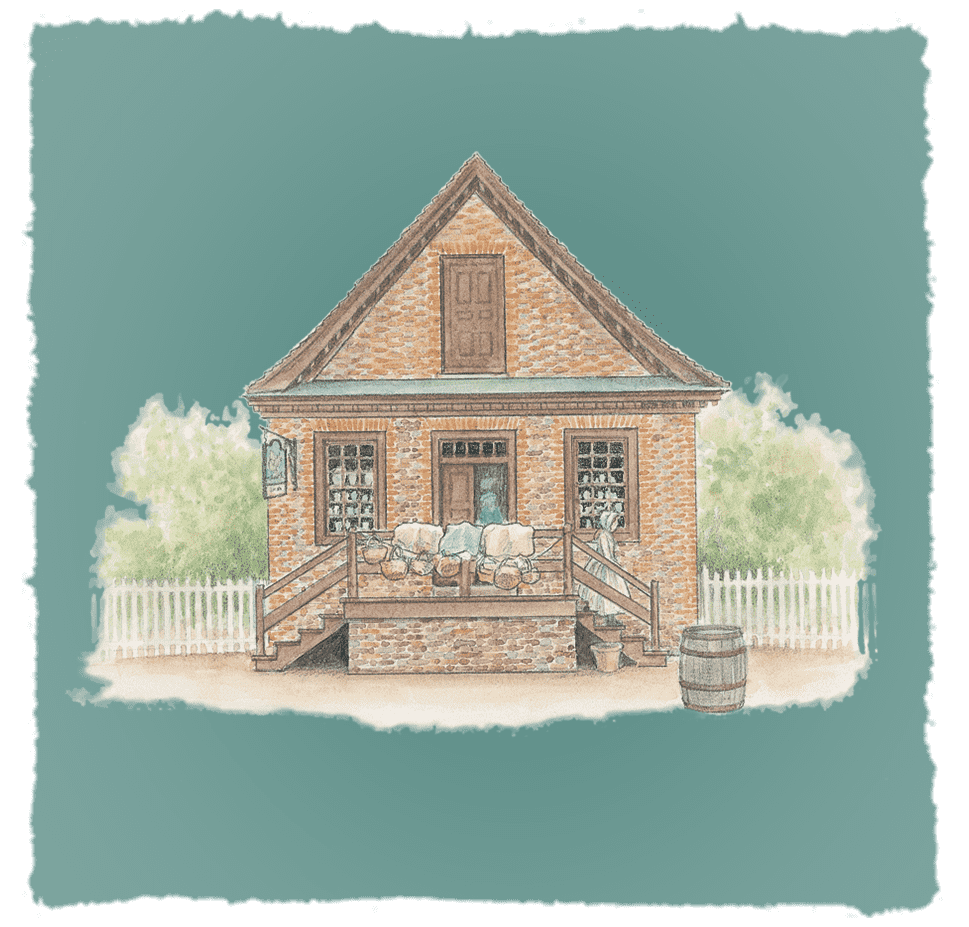
Williamsburg was Virginia’s capital during the 1770s. Colonial Williamsburg now runs as a living-history museum.
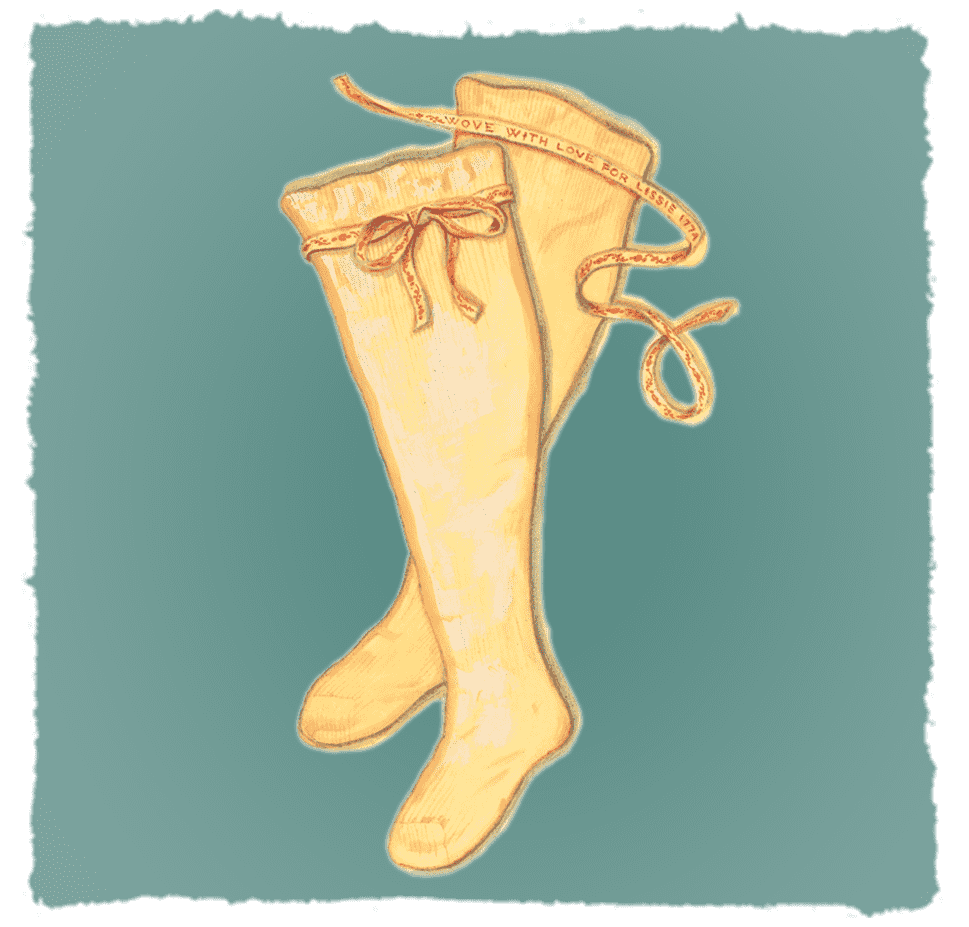
Felicity’s name means “happiness.” Her nickname, Lissie, is stitched on the garters that hold up her stockings.
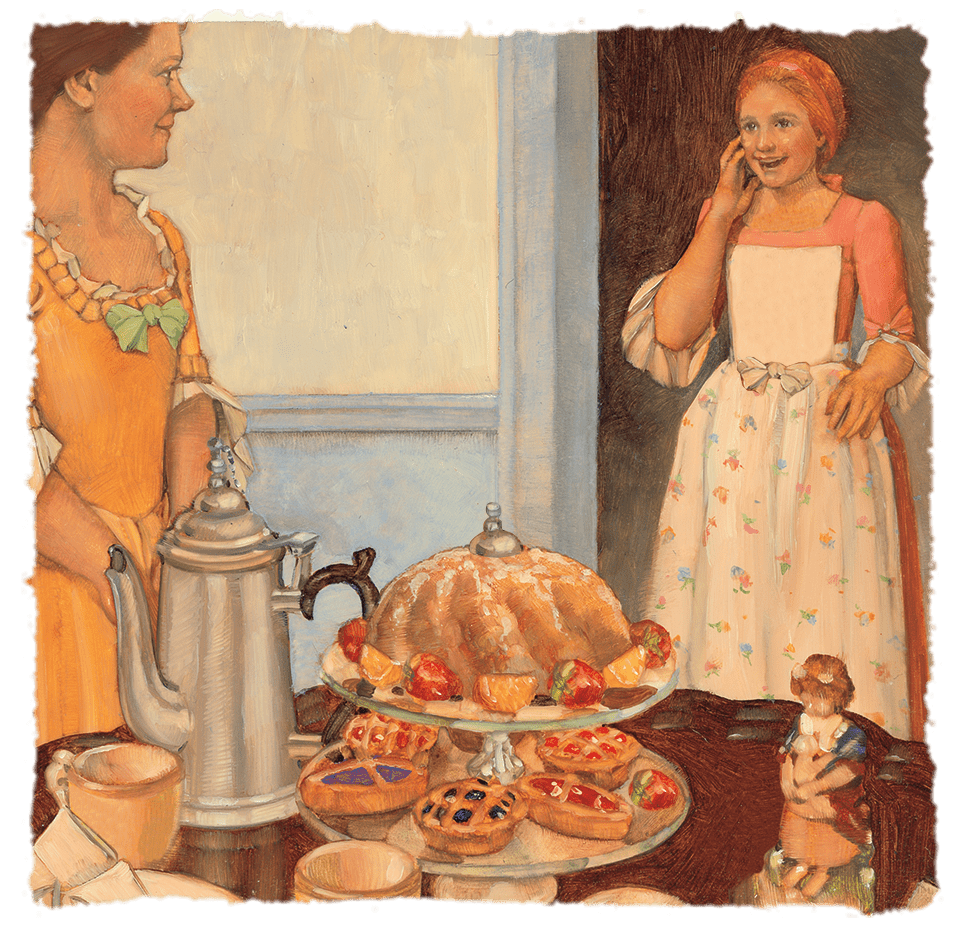
Because the Merrimans have stopped drinking tea in support of the Patriot cause, Felicity celebrates her birthday on April 21 with hot chocolate.
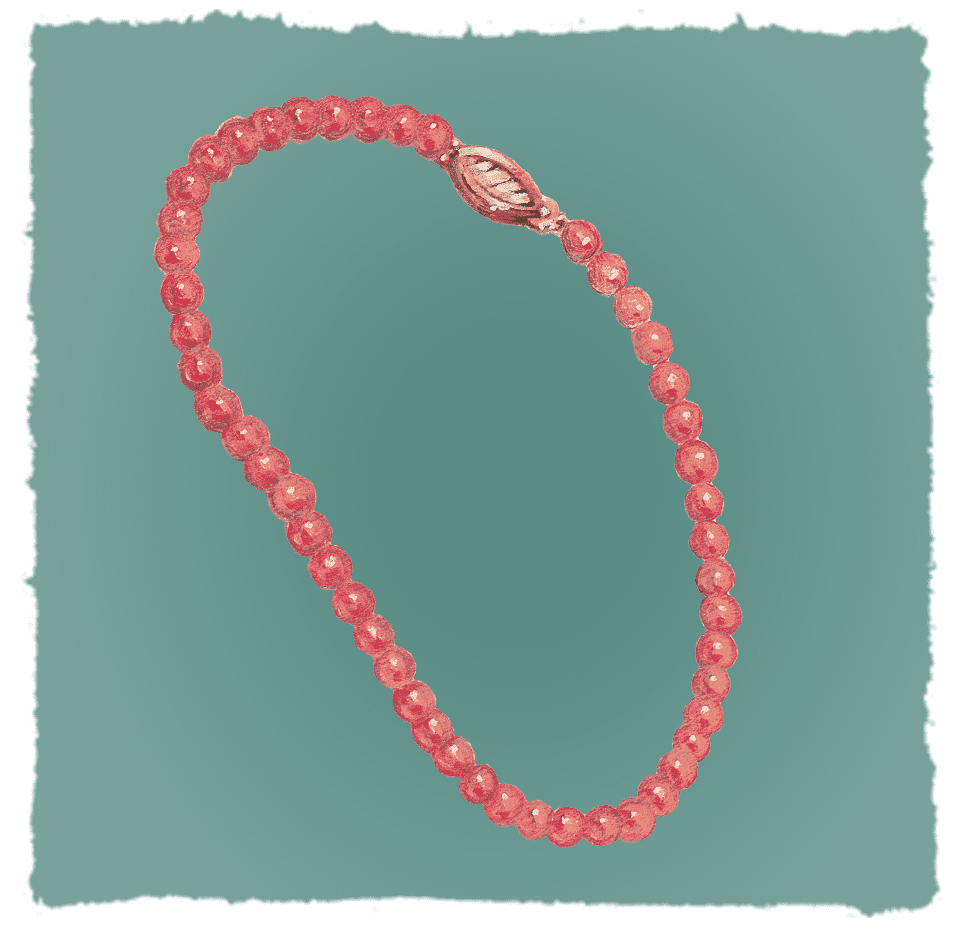
Beaded coral necklaces were a popular good-luck gift for colonial girls.
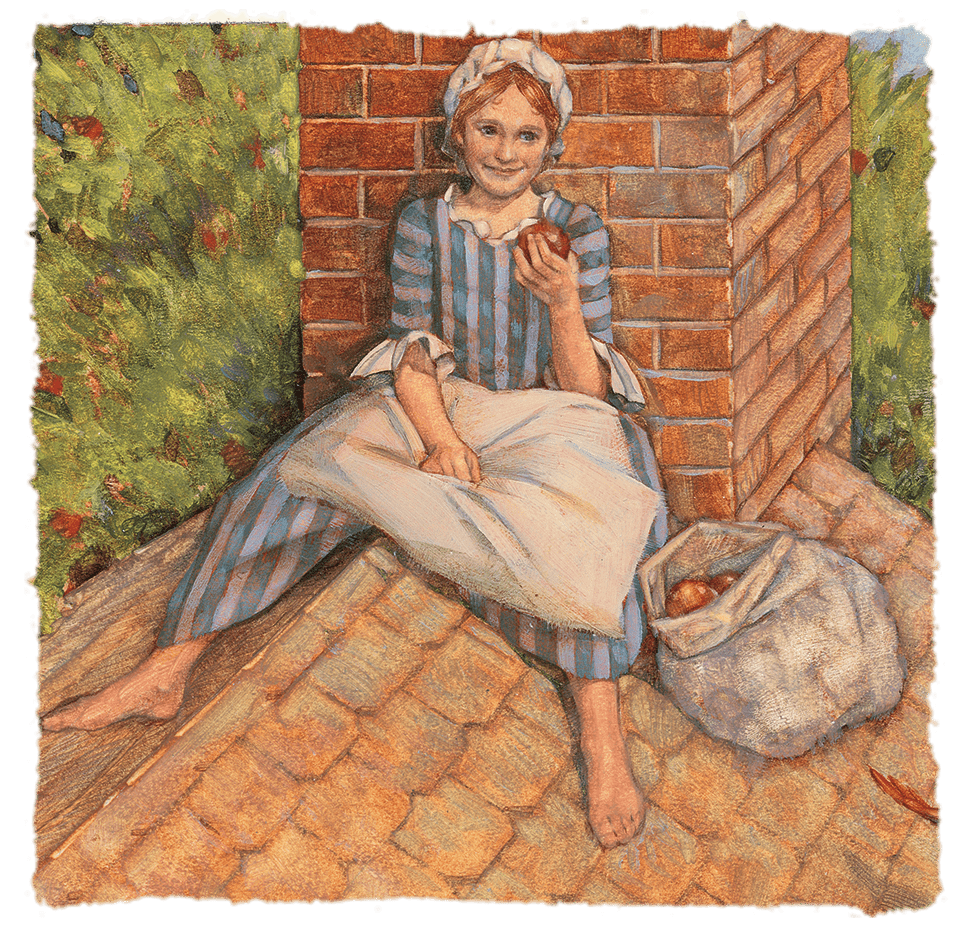
Felicity’s apron is called a pinner because she fastens it to her dress with straight pins. Snaps and safety pins hadn’t been invented yet!
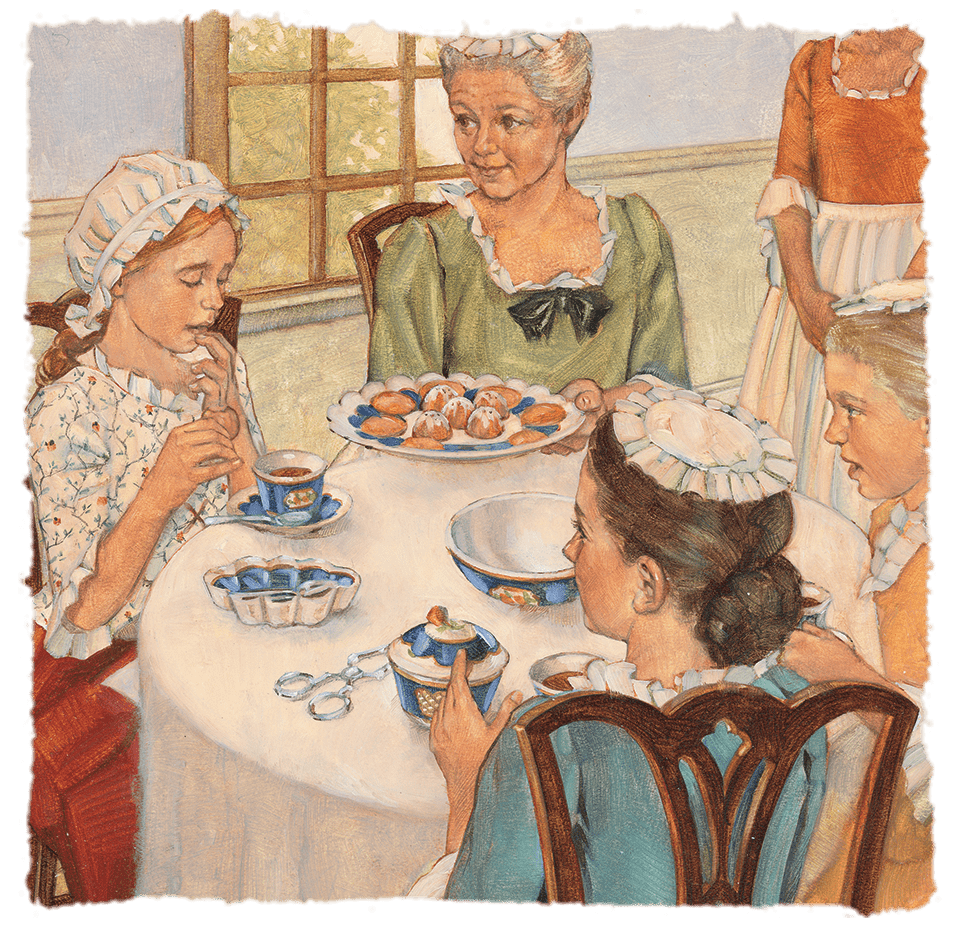
During Felicity’s first tea lesson with Miss Manderly, her loose tooth falls out when she bites into a biscuit!
Colonial Williamsburg

Williamsburg was Virginia’s capital during the 1770s. Colonial Williamsburg now runs as a living-history museum.

Felicity's yellow stockings

Felicity’s name means “happiness.” Her nickname, Lissie, is stitched on the garters that hold up her stockings.

Felicity and her mother standing around a table with hot chocolate and pastries

Because the Merrimans have stopped drinking tea in support of the Patriot cause, Felicity celebrates her birthday on April 21 with hot chocolate.

Beaded coral necklace

Beaded coral necklaces were a popular good-luck gift for colonial girls.

Felicity sitting on top of house against brick chimney with her apron

Felicity’s apron is called a pinner because she fastens it to her dress with straight pins. Snaps and safety pins hadn’t been invented yet!

Felicity having a tea lesson with Miss Manderly and other young girls

During Felicity’s first tea lesson with Miss Manderly, her loose tooth falls out when she bites into a biscuit!

 

Felicity’s era

Teal floral decorative element

Everyone in the colonies heard the Patriots’ talk about the need to fight for freedom. For white Patriots, this meant freedom from the king’s rule in England. But for Black people living in the colonies, it meant much more: freedom from enslavement—their own, or, if they were free, freedom for their enslaved friends and family.

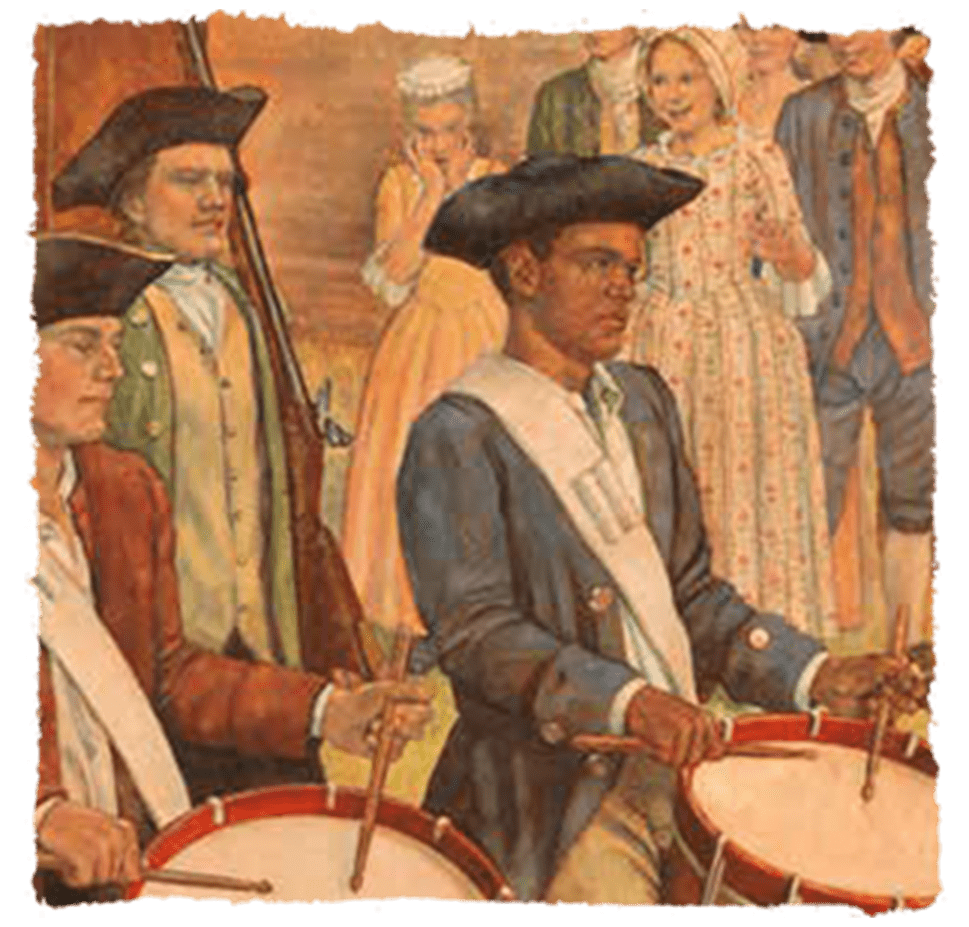
Black people represented more than half the population in the town of Williamsburg. Most were enslaved—like Rose and Marcus, who worked in the Merriman household and at Father’s store. Free people of color, like Isaac, were also part of the population. His family did laundry for the Merrimans, and he served as a drummer for the Patriot militia. No matter their status, the Black residents of Williamsburg knew that the ever-growing call for liberty throughout the colonies meant something very different for them than it did for white colonists.

Felicity’s era

Teal floral decorative element

Everyone in the colonies heard the Patriots’ talk about the need to fight for freedom. For white Patriots, this meant freedom from the king’s rule in England. But for Black people living in the colonies, it meant much more: freedom from enslavement—their own, or, if they were free, freedom for their enslaved friends and family.

Black people represented more than half the population in the town of Williamsburg. Most were enslaved—like Rose and Marcus, who worked in the Merriman household and at Father’s store. Free people of color, like Isaac, were also part of the population. His family did laundry for the Merrimans, and he served as a drummer for the Patriot militia. No matter their status, the Black residents of Williamsburg knew that the ever-growing call for liberty throughout the colonies meant something very different for them than it did for white colonists.

More than 5,000 Black people fought in the Revolutionary War with the Continental Army.
In support of the revolution, women and girls boycotted British goods, acted as spies and nurses, and held protest meetings. They also managed their family’s farms and businesses while men were away fighting.
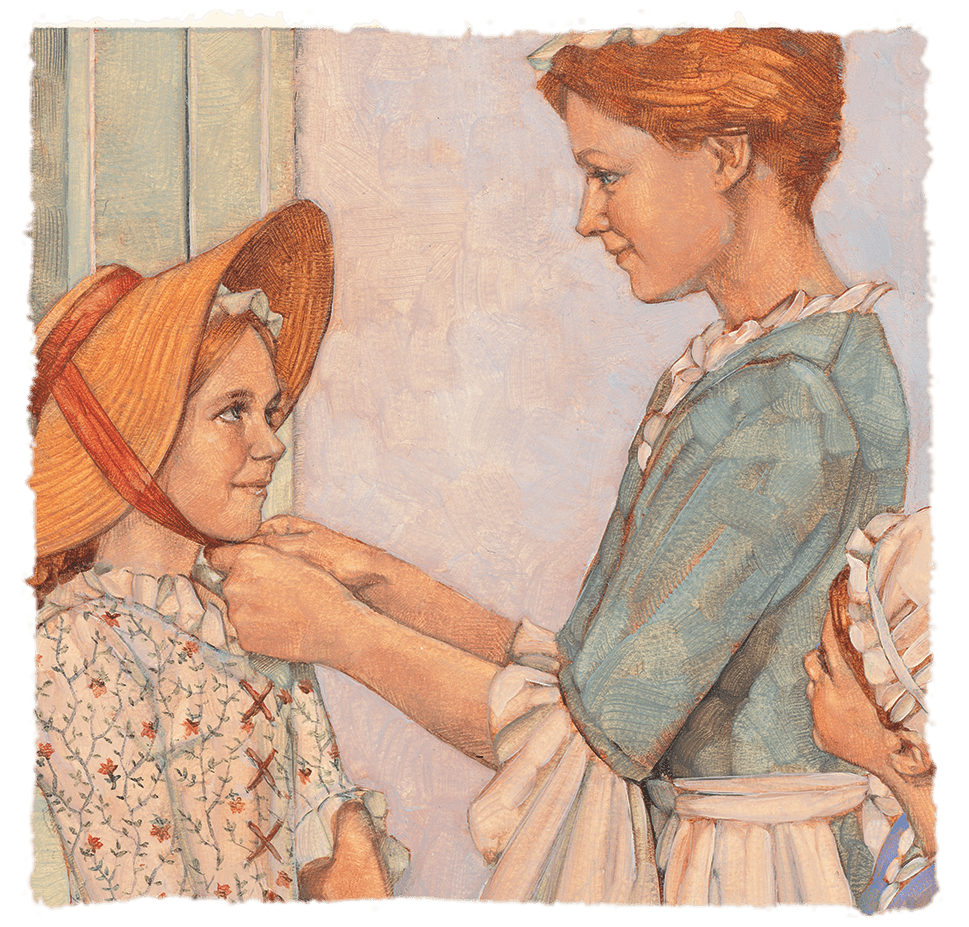
Colonial girls often covered their heads. A cap kept the hair clean, and a straw hat provided shade from the sun.
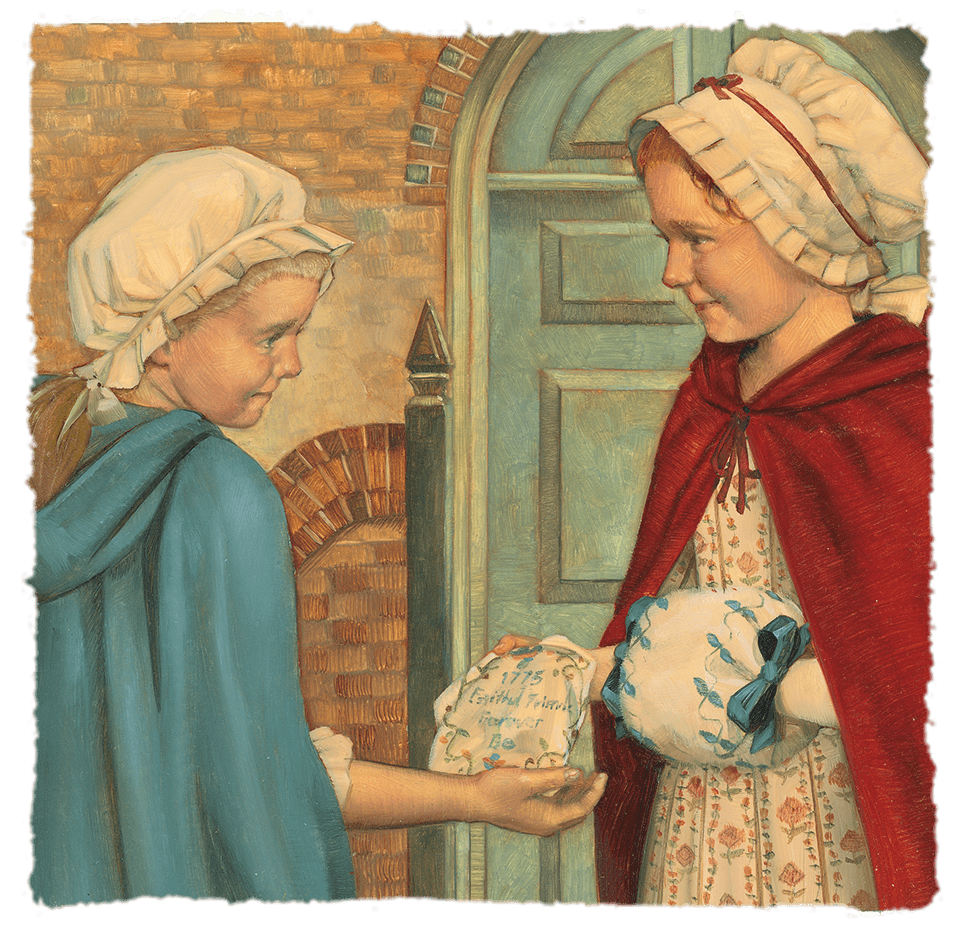
Stitched samplers taught skills like needlework and literacy. Felicity stitches a bluebird and the message “Faithful Friends Forever Be” for Elizabeth when their friendship is challenged.
Fashion dolls showed colonial women what stylish ladies in Europe were wearing so they could copy the gowns.
Women and girls were expected to ride horses sidesaddle, which is more challenging than riding astride.
Soldiers in uniform with drums

More than 5,000 Black people fought in the Revolutionary War with the Continental Army.

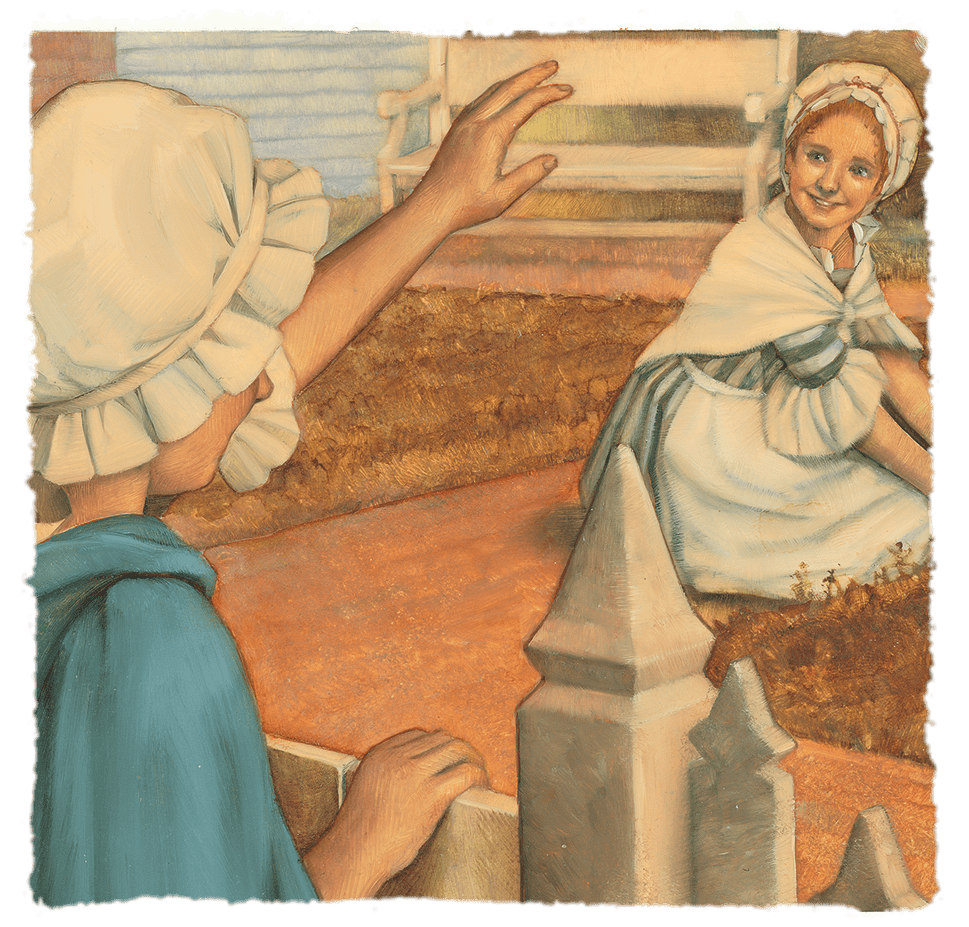
Felicity waving at a woman

In support of the revolution, women and girls boycotted British goods, acted as spies and nurses, and held protest meetings. They also managed their family’s farms and businesses while men were away fighting.

Woman covering Felicity's head with straw hat

Colonial girls often covered their heads. A cap kept the hair clean, and a straw hat provided shade from the sun.

Felicity and Elizabeth exchanging a stitched message

Stitched samplers taught skills like needlework and literacy. Felicity stitches a bluebird and the message “Faithful Friends Forever Be” for Elizabeth when their friendship is challenged.

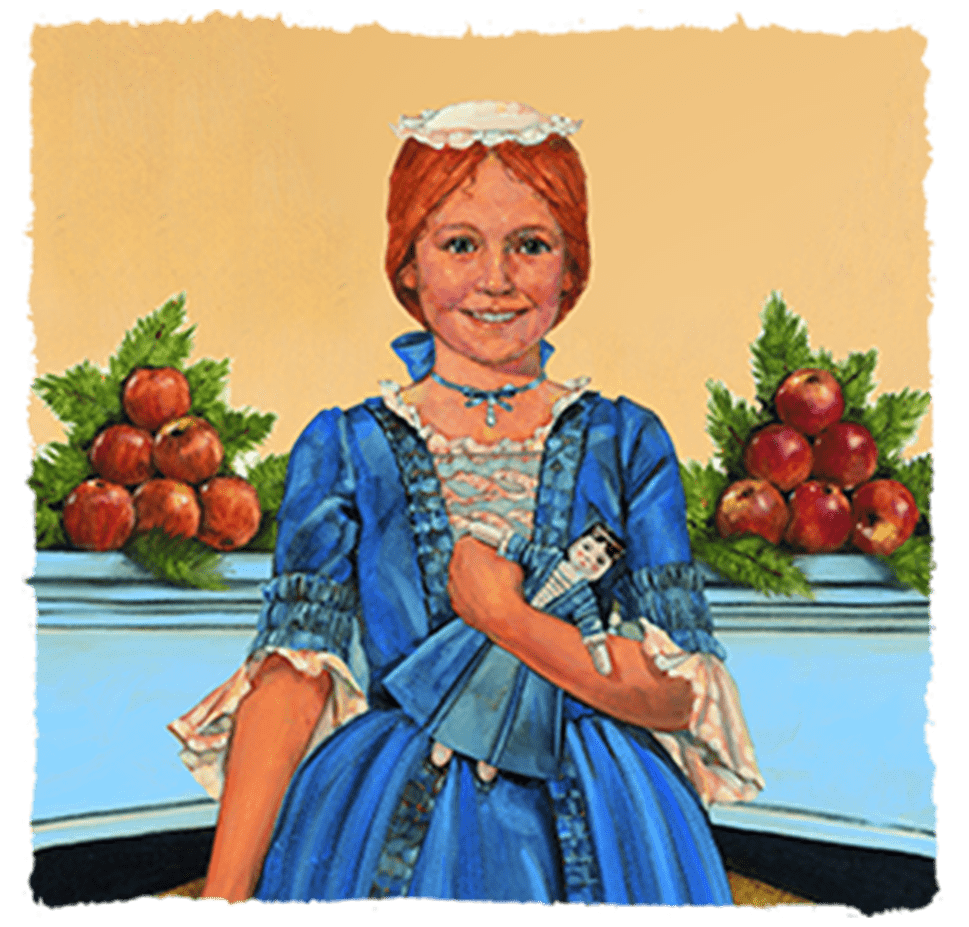
Felicity in a blue stylish dress, holding a doll in a matching dress

Fashion dolls showed colonial women what stylish ladies in Europe were wearing so they could copy the gowns.

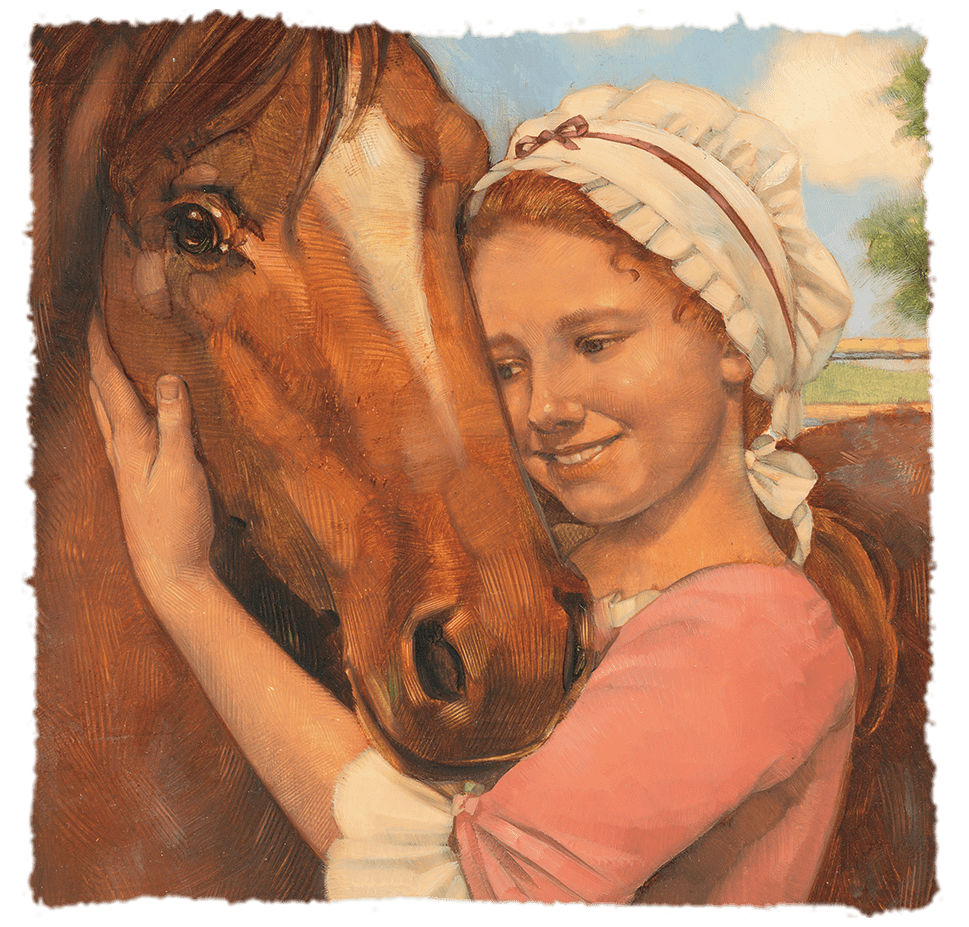
Felicity hugging Penny the horse

Women and girls were expected to ride horses sidesaddle, which is more challenging than riding astride.


 

Behind the scenes

Teal floral decorative element

Behind the scenes

Teal floral decorative element
  • Felicity was the fourth doll introduced by Pleasant Company, now American Girl.
  • Lucy was an early name possibility during initial character sketches.
  • In the spring of 1991, Pleasant Company printed a special-edition catalogue cover featuring Felicity that invited readers to a gala at Colonial Williamsburg. Nearly 11,000 girls and their grown-ups were in attendance from August 15–25, 1991. This elegant event allowed girls to explore the town Felicity grew up in, learn the proper way to take tea, enjoy colonial delicacies like queen cakes and tiny tarts, and see the new Felicity doll before her public debut.
  • Felicity’s hometown of Colonial Williamsburg was Pleasant Rowland’s inspiration for creating The American Girls Collection. She and author Valerie Tripp worked closely with historians and experts at the living-history museum as they brought Felicity to life.
  • Felicity’s stories are set in the years before the American Revolution so young readers can witness firsthand how the ideas that formed the foundation of democracy in the United States were shaped, debated, and tested.
  • Felicity’s fashion doll and the royal-blue dress she wore to a dance lesson at the Governor’s Palace were based on a real doll found at a milliner’s shop in Williamsburg.
  • Holly Easland designed Felicity’s clothing. She interpreted the pattern for Felicity's rose gown from a real 1770s print.
  • Baby Polly, Felicity’s youngest sibling, was released in 2005 as a doll. She came dressed in a gown and bonnet and included a cradle. The short story “Felicity’s New Sister” describes Polly’s eventful birth in an abandoned house.
  • In 2005, American Girl released the TV movie Felicity: An American Girl Adventure. Shailene Woodley played Felicity and Marcia Gay Harden played her mother, Martha.
  • Felicity was the fourth doll introduced by Pleasant Company, now American Girl.
  • Lucy was an early name possibility during initial character sketches.
  • In the spring of 1991, Pleasant Company printed a special-edition catalogue cover featuring Felicity that invited readers to a gala at Colonial Williamsburg. Nearly 11,000 girls and their grown-ups were in attendance from August 15–25, 1991. This elegant event allowed girls to explore the town Felicity grew up in, learn the proper way to take tea, enjoy colonial delicacies like queen cakes and tiny tarts, and see the new Felicity doll before her public debut.
  • Felicity’s hometown of Colonial Williamsburg was Pleasant Rowland’s inspiration for creating The American Girls Collection. She and author Valerie Tripp worked closely with historians and experts at the living-history museum as they brought Felicity to life.
  • Felicity’s stories are set in the years before the American Revolution so young readers can witness firsthand how the ideas that formed the foundation of democracy in the United States were shaped, debated, and tested.
  • Felicity’s fashion doll and the royal-blue dress she wore to a dance lesson at the Governor’s Palace were based on a real doll found at a milliner’s shop in Williamsburg.
  • Holly Easland designed Felicity’s clothing. She interpreted the pattern for Felicity's rose gown from a real 1770s print.
  • Baby Polly, Felicity’s youngest sibling, was released in 2005 as a doll. She came dressed in a gown and bonnet and included a cradle. The short story “Felicity’s New Sister” describes Polly’s eventful birth in an abandoned house.
  • In 2005, American Girl released the TV movie Felicity: An American Girl Adventure. Shailene Woodley played Felicity and Marcia Gay Harden played her mother, Martha.


Shop Felicity’s world

Teal floral decorative decorative element

Shop Felicity’s world

Teal floral decorative element

Felicity collection

Teal button that says Shop Felicity's world

Felicity collection

Teal button that says Shop Felicity's world

In every era, character counts

Learn more about other historical characters

Teal floral decorative element

In every era, character counts

Learn more about other historical characters

Teal floral decorative element